 |
Beans are rich in protein and fiber, which are digested slowly, promoting satiety. Some plant proteins in beans also contain resistant starch, a type of carbohydrate that takes longer for the body to break down, thus having less impact on blood sugar.
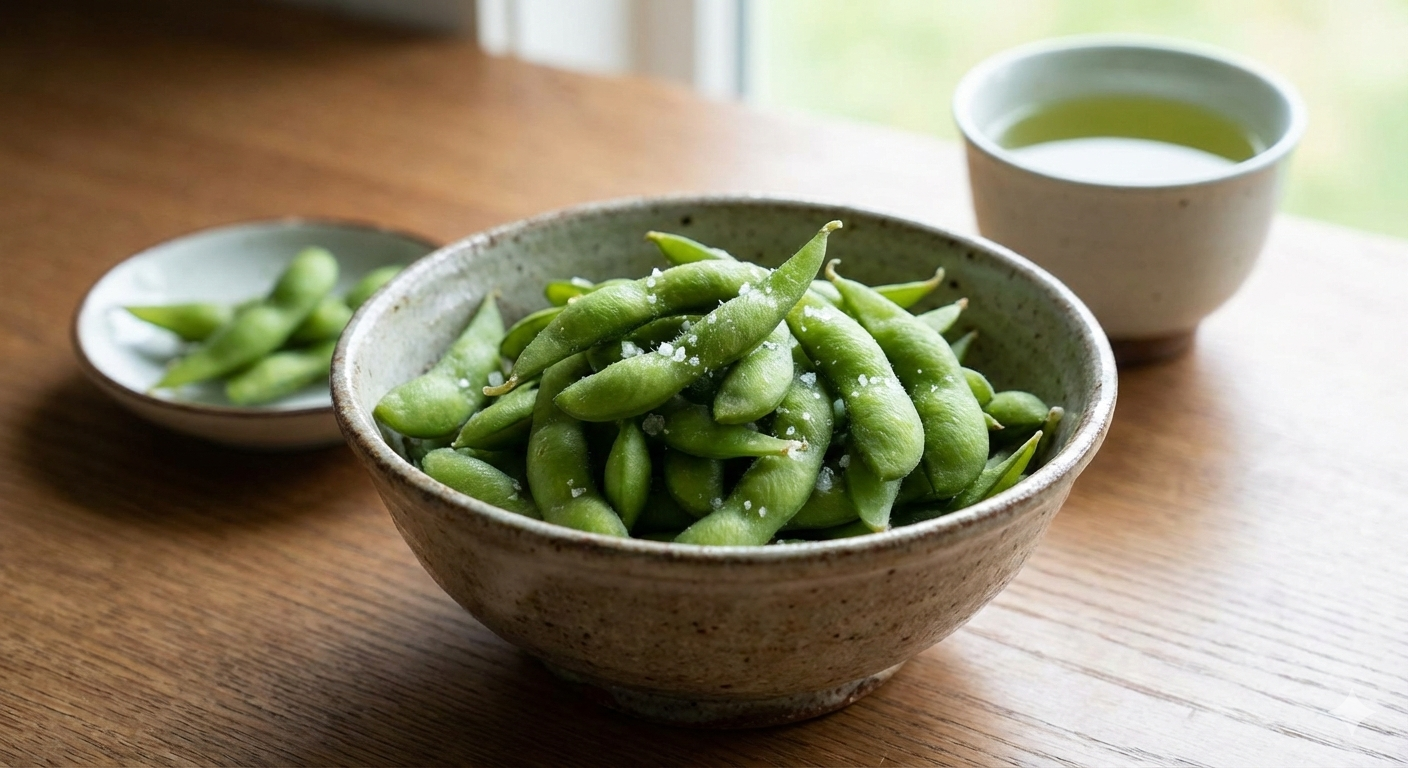
Edamame (japanese soybeans)
According to Every Day Health, young soybeans (edamame) contain plant protein, fiber, and healthy fats. These nutrients can help lower cholesterol and improve heart health. Individuals with diabetes may benefit from eating edamame before meals to reduce calorie intake and enhance gut microbiota.
 |
Lentils
Lentils help maintain stable blood sugar due to their high content of protein and fiber. A 120 g serving provides about 18 g of protein and 15 g of fiber. These nutrients slow the breakdown and absorption of starches in the digestive tract.
Regularly adding lentils to dishes such as porridges, soups, curries, and salads can aid in weight management and overall health. However, it is advisable to gradually increase consumption to prevent bloating or digestive discomfort.
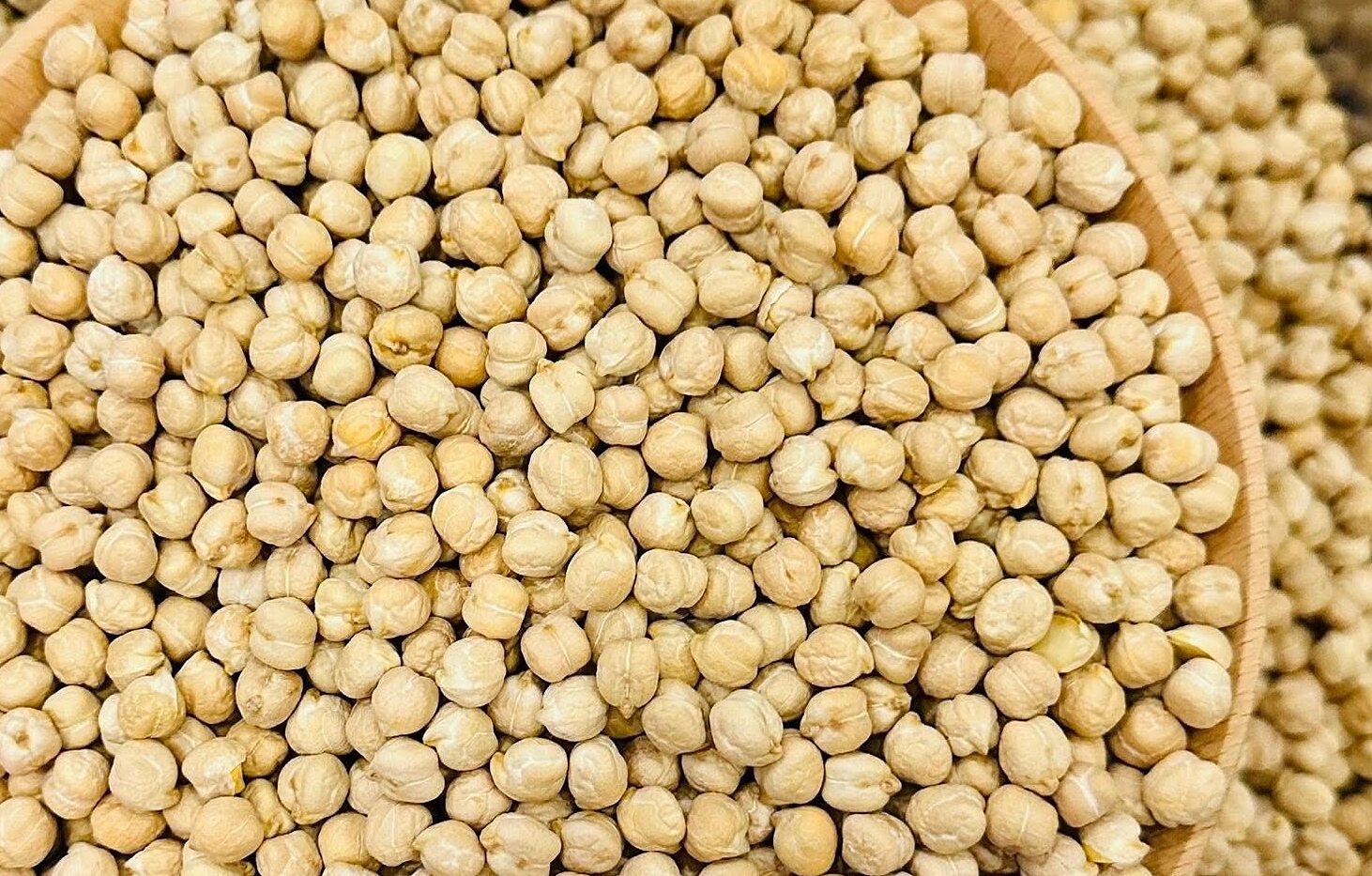 |
Chickpeas
According to Very Well Health, a 120 g cup of canned chickpeas provides about 12 g of protein and 8 g of fiber. These nutrients promote satiety and help regulate blood sugar levels.
Chickpeas contain carbohydrates, but a portion of their starch is more difficult to digest than refined carbohydrates, contributing to more stable post-meal blood sugar. They can be added to salads, soups, or grain-based dishes for healthy, flavorful snacks.
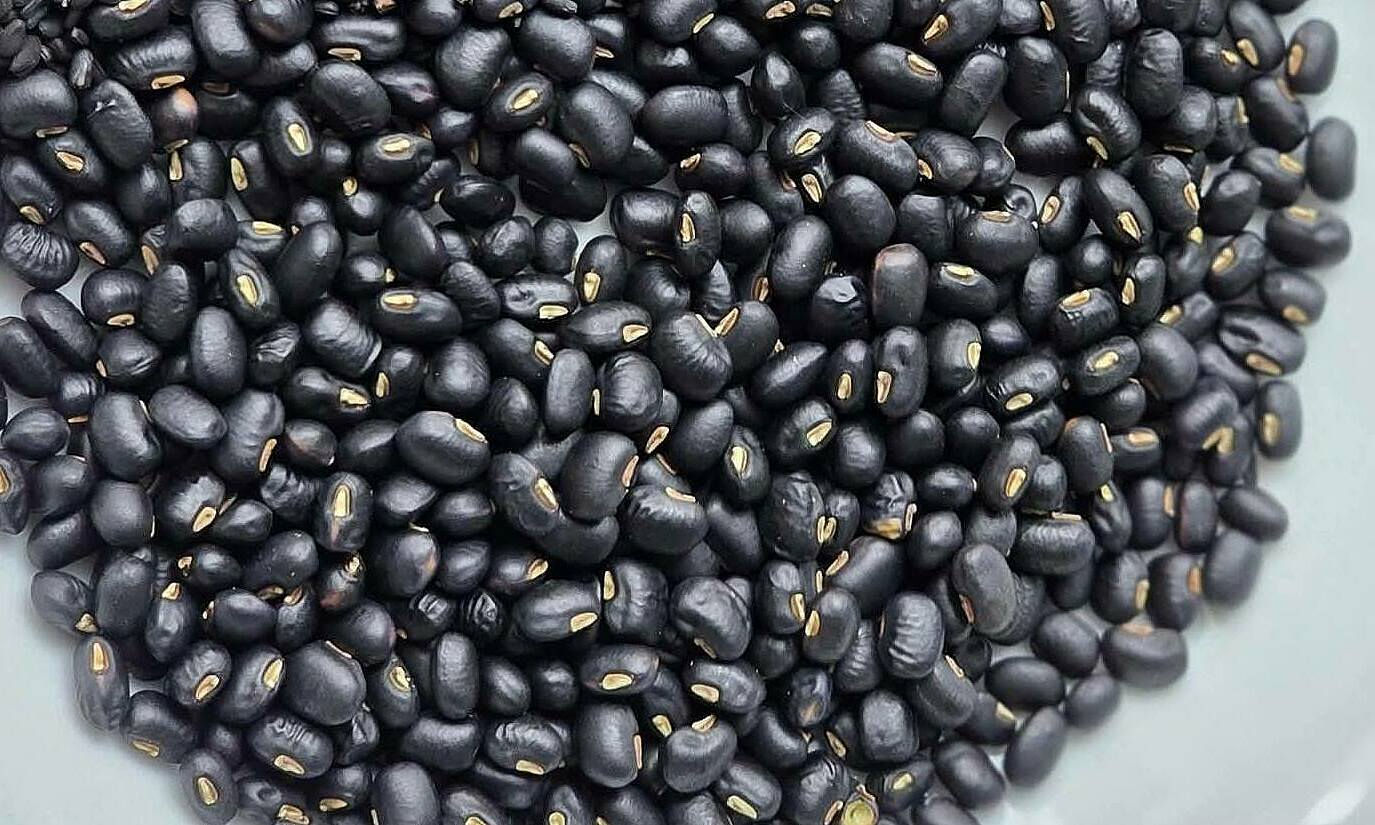 |
Black beans
Black beans are rich in protein, fiber, and slow-digesting carbohydrates. A cup of cooked black beans offers about 16 g of protein and 18 g of fiber. Their low glycemic index helps blood sugar rise gradually after meals. Fiber aids in slowing digestion, while protein contributes to prolonged satiety.
Black beans also provide magnesium, a mineral involved in glucose metabolism and insulin activity.
By Anh Chi
Photo: Anh Chi, AI