 |
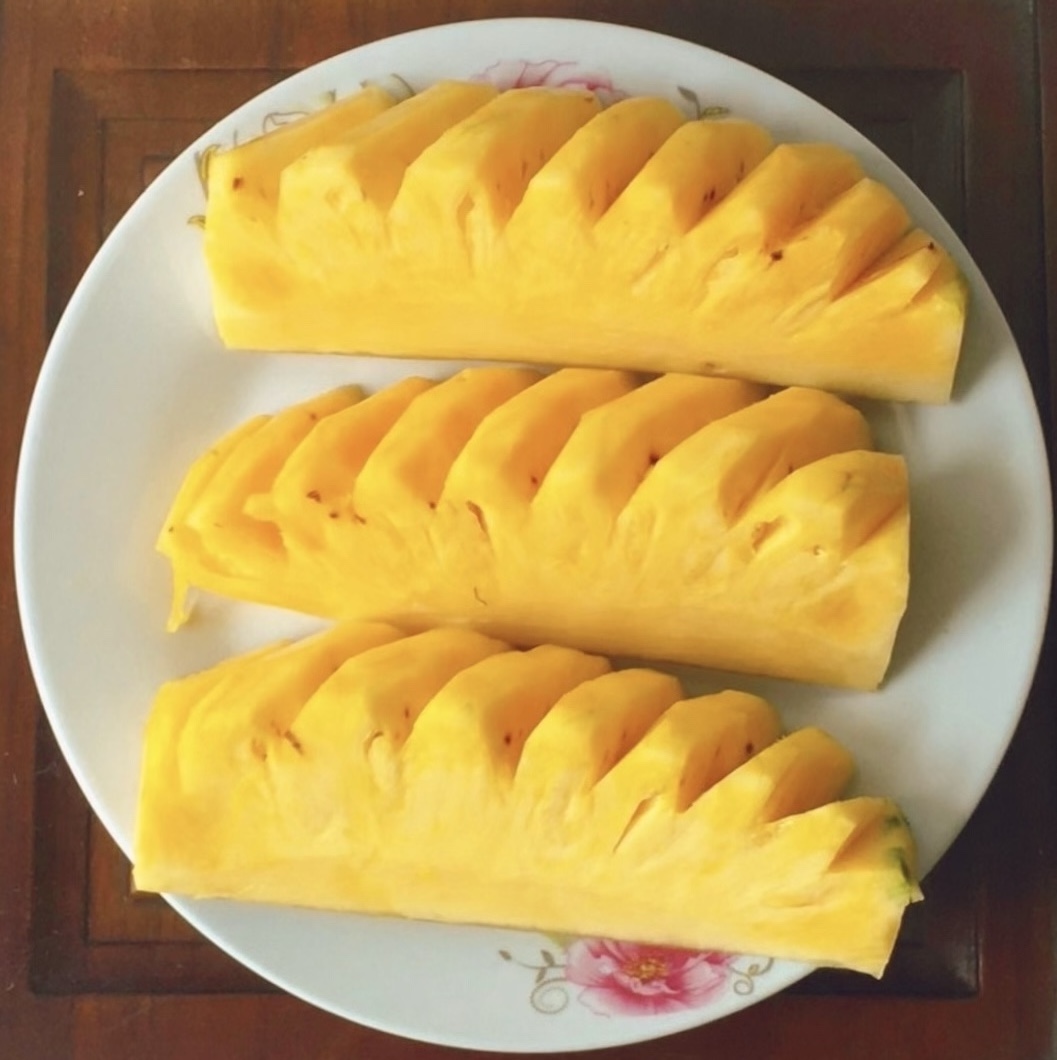
Pineapples, rich in sugar, can form ethanol during ripening or storage, particularly after being cut and stored for some time. Therefore, pineapples left for too long might develop a fermented smell, an unusual taste, or become mushy. These signs indicate a change in the fruit's quality, and ethanol formation should not be considered a beneficial aspect of the food. |
Ethanol, or alcohol, can naturally occur in fruits when yeast ferments sugars. The alcohol content typically depends on the food's ripeness, storage conditions, and the presence of yeast. It is important not to confuse these foods with alcoholic beverages. If food emits an alcoholic smell, appears unusually sour, foamy, slimy, or moldy, it should be discarded.
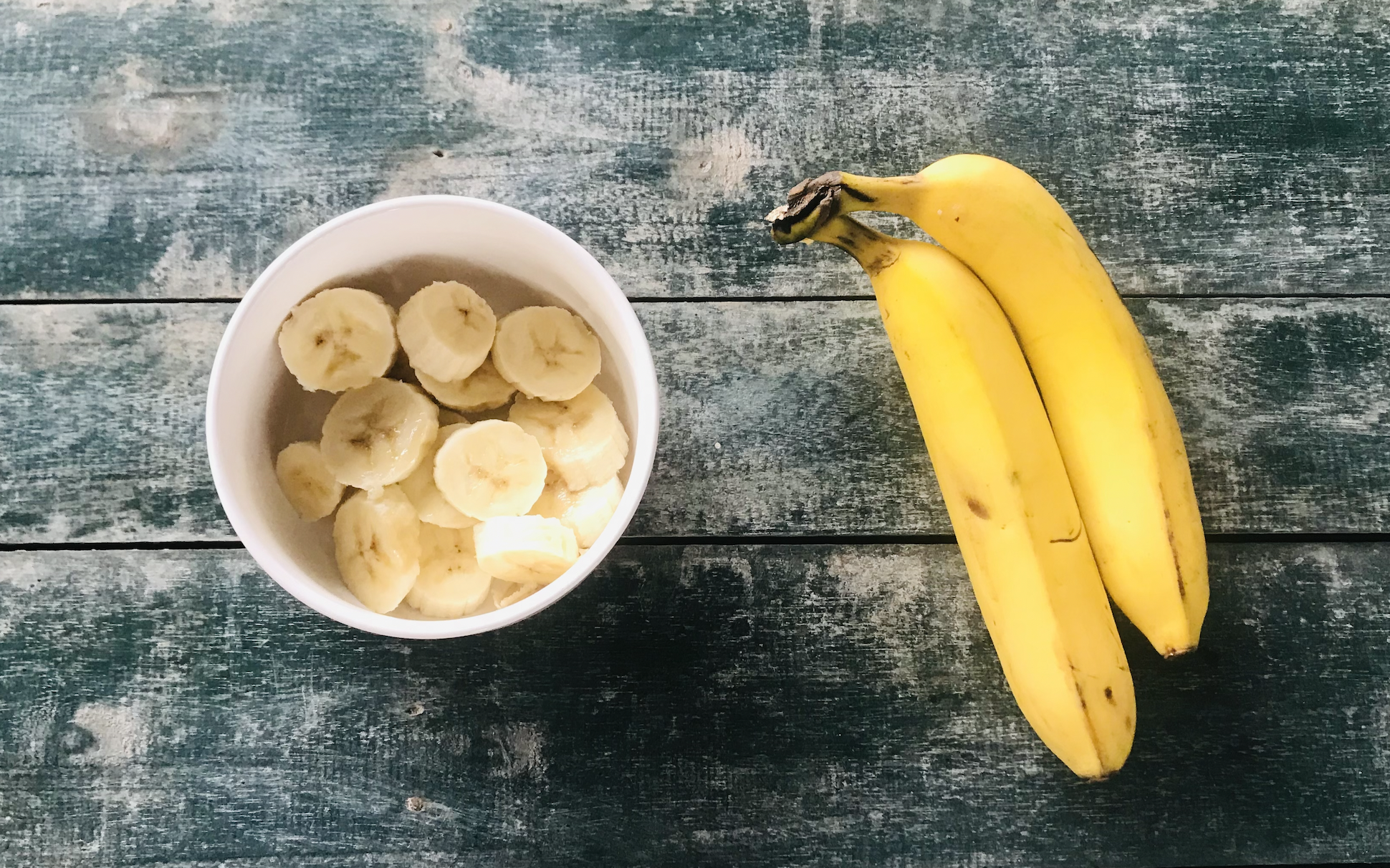
Bananas are one fruit known to form ethanol during ripening and storage. Ethanol levels in bananas rise quickly during ripening, driven by enzyme activity involved in its formation. This does not mean that normally ripe bananas contain enough alcohol to cause intoxication. The actual content varies by banana variety, ripeness, temperature, and storage time.
 |
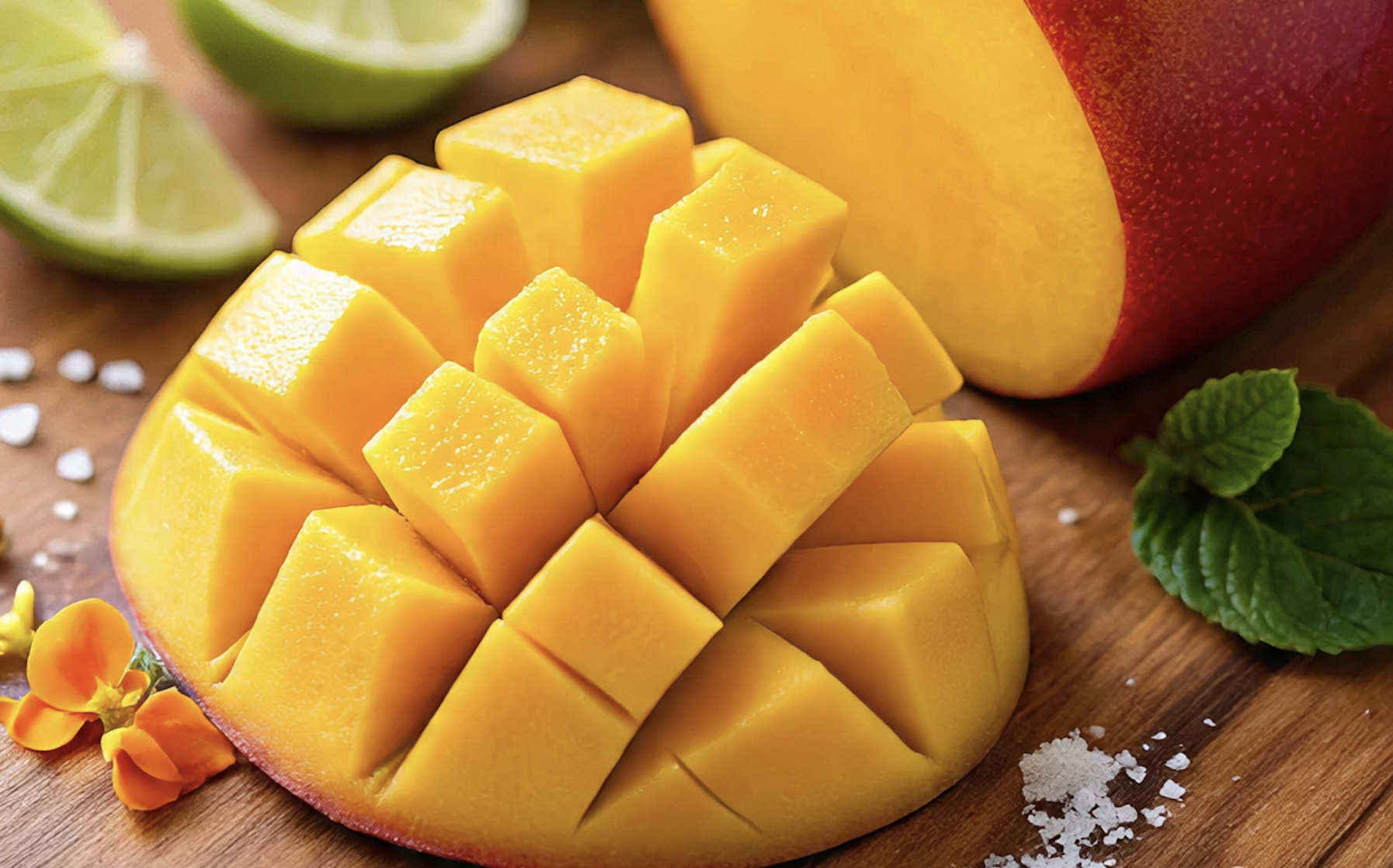
Mangoes, especially when overripe, provide a favorable environment for yeast to consume the fruit's sugar and produce alcohol. The softer, more bruised, or more favorably stored a mango is for microbial growth, the more likely fermentation will occur. However, the ethanol content in fresh mangoes is not fixed. |
 |
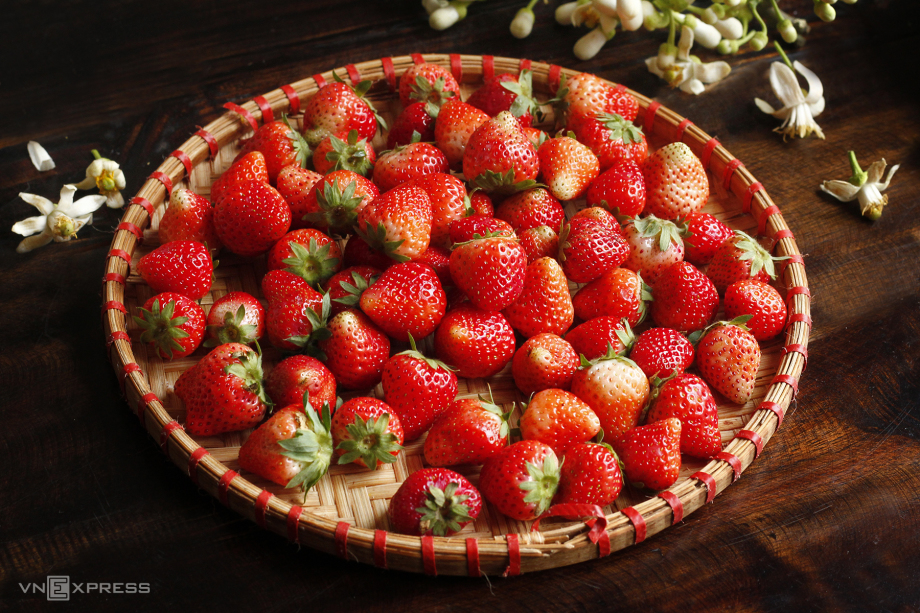 |
Strawberries can also form ethanol after being cut and stored. Ethanol content in some strawberry samples significantly increased after 24 hours of storage, even when the fruit was initially at an appropriate ripeness. This increase in ethanol can be accompanied by changes in taste and smell. Therefore, cut strawberries left for a long time that develop an unusual smell or quality change should not be consumed.
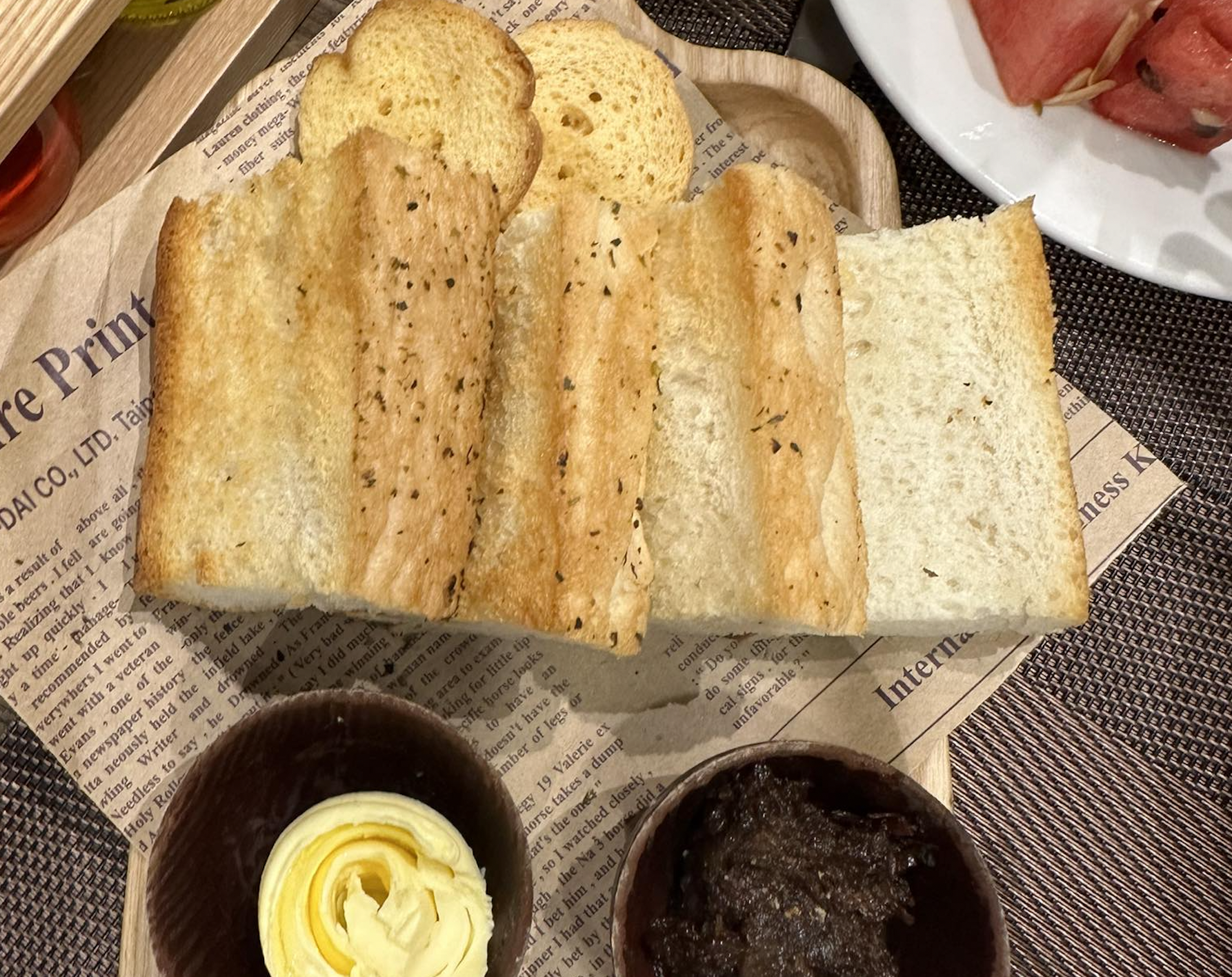 |
Bread and some flour-based foods can also involve ethanol through fermentation. During bread making, yeast converts sugars in the dough, producing carbon dioxide and ethanol; carbon dioxide helps the dough rise, while ethanol is a byproduct of the fermentation process. A study in Food and Bioprocess Technology investigated the potential for ethanol production from various baked goods when subjected to fermentation. However, these were experimental conditions with added yeast and specific fermentation times, which does not mean typical bread contains high ethanol levels.
Bao Bao (Synthesized)
Photos: Bao Bao, Anh Chi, AI, Bui Thuy