Vitamin A is an essential nutrient that the body cannot produce on its own. It exists in two main forms: preformed vitamin A from animal-based foods and provitamin A from plant-based foods. The body can convert provitamin A into a usable form of vitamin A.
Supports low-light vision
One of vitamin A's most crucial roles is its involvement in the formation of rhodopsin, a light-sensitive protein found in the retina's photoreceptor cells. Rhodopsin enables the eyes to detect light, especially in dark or low-light environments.
When the body lacks vitamin A, rhodopsin regeneration is impaired, making it difficult for the eyes to adapt to darkness. Night blindness, or difficulty seeing in low-light conditions, is an early indicator of vitamin A deficiency.
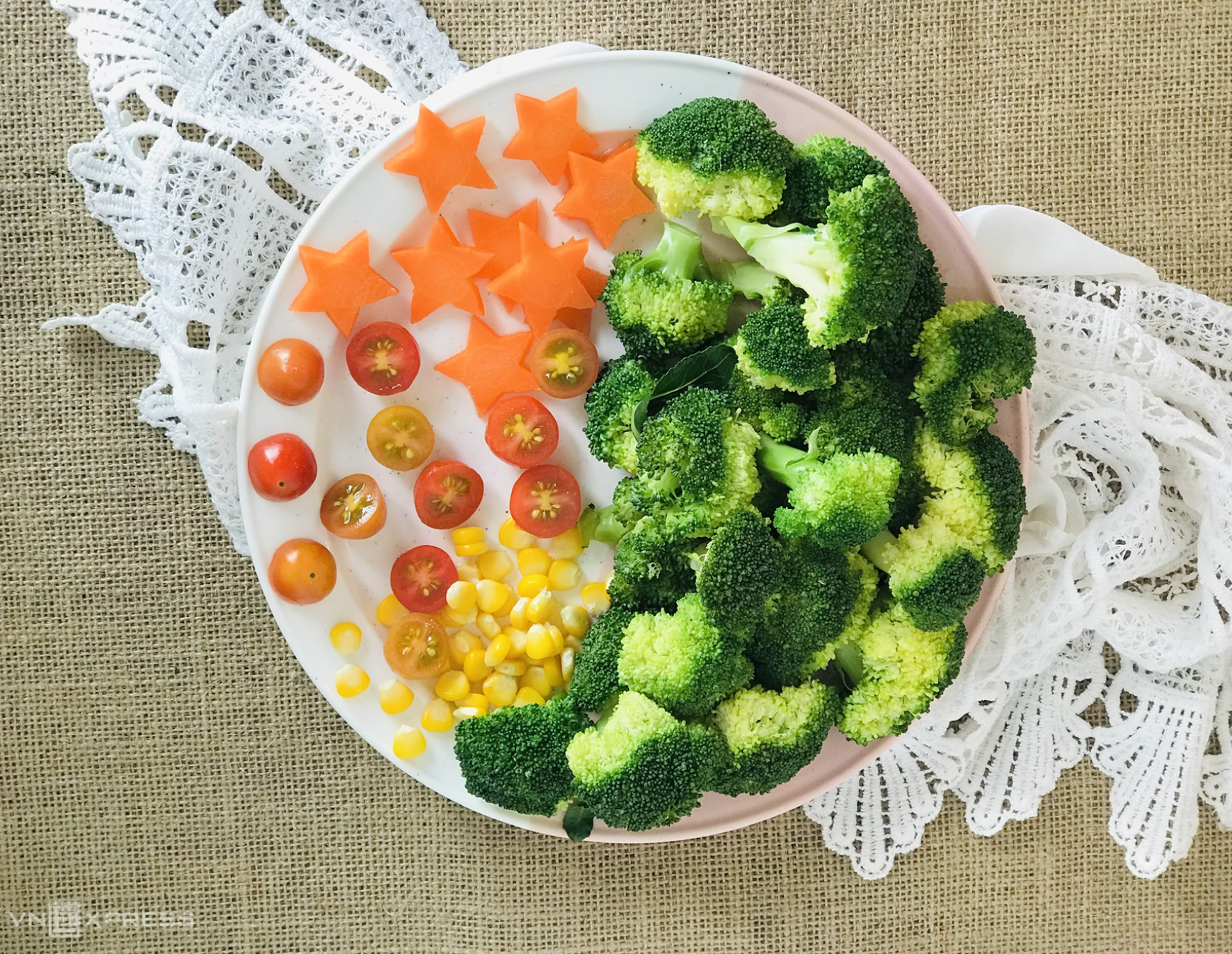 |
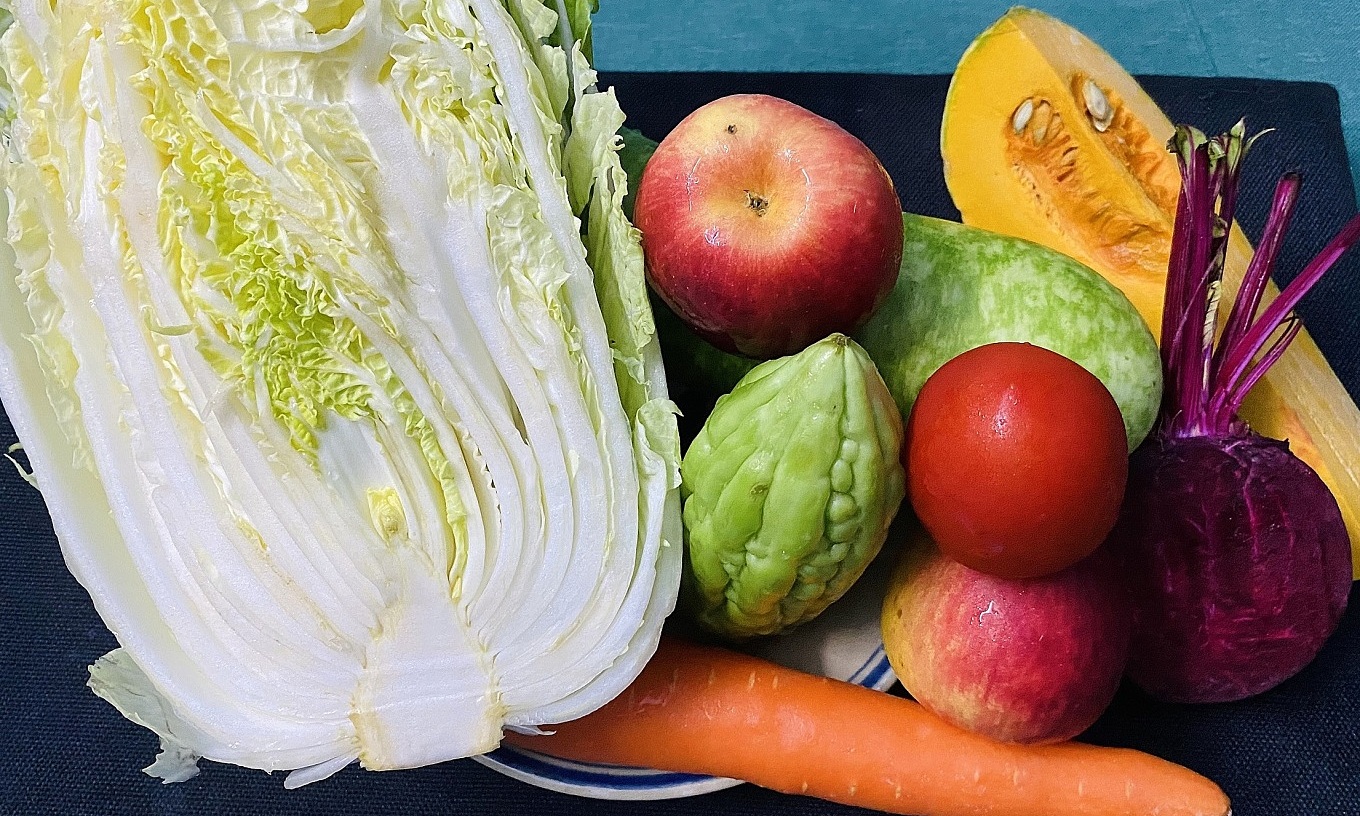
Carrots and broccoli are sources of vitamin A. Photo: Bui Thuy |
Maintains the cornea and eye surface
This vitamin is also essential for the normal development and maintenance of the cornea, conjunctiva, and the eye's epithelial cells. Prolonged vitamin A deficiency can lead to dry conjunctiva, dry cornea, and damage to the eye's surface, a condition collectively known as xerophthalmia, or dry eye due to vitamin A deficiency.
If severe vitamin A deficiency remains untreated, corneal damage can progress, leading to scarring and even vision loss. Vitamin A deficiency is one of the preventable causes of blindness in children in regions lacking micronutrients.
Contributes to maintaining normal vision
Beyond its role in night vision, vitamin A also supports the normal function of the retina and other eye tissues. The body utilizes vitamin A to maintain the cells and structures essential for sight. However, supplementing with vitamin A does not mean it will make eyes brighter or prevent all eye conditions.
How to supplement vitamin A from food
Dietary vitamin A primarily exists in two forms: preformed vitamin A, such as retinol, found in animal-sourced foods, and provitamin A carotenoids, like beta-carotene, present in plant-based foods. The body can convert beta-carotene into vitamin A.
Foods rich in preformed vitamin A include liver, eggs, milk, and dairy products. Beta-carotene is abundant in carrots, sweet potatoes, pumpkin, and dark green leafy vegetables. A diverse diet typically helps healthy individuals meet their vitamin A requirements.
As a fat-soluble vitamin, vitamin A can be stored in the body. Therefore, long-term excessive intake of supplemental vitamin A can be toxic and lead to health problems.
Individuals should not self-administer high doses of vitamin A solely for eye protection. Those experiencing symptoms such as night blindness, dry eyes, or vision changes should undergo an eye examination to determine the underlying cause, rather than self-supplementing. Night blindness can stem from various issues beyond vitamin A deficiency, including cataracts, refractive errors, or retinal diseases.
Bao Bao (Compiled)
| Readers can submit questions about ophthalmological conditions here for a doctor's response |