Eng English
China 中国人

Eng English
China 中国人
  • News
  • World
  • Business
  • Entertainment
  • Sports
  • Law
  • Education
  • Health
  • Lifestyle
  • Travel
  • Science
  • Digital
  • Automobiles
  • Trở lại Thể thao
  • Health
Monday, 5/10/2026 | 16:10 GMT+7

Foamy urine indicates chronic kidney disease

Mr. Tan, 59, developed foamy urine, leading doctors to diagnose chronic kidney disease.

Doctor Ho Tan Thong, from the Nephrology - Dialysis Unit at Tam Anh General Clinic District 7, reported that Mr. Tan's blood creatinine level was 189 µmol/L, nearly double the normal range. His glomerular filtration rate (GFR) was 35 ml/min/1,73 m², accompanied by proteinuria. Doctors diagnosed Mr. Tan with chronic kidney disease stage 3b.

Mr. Tan also had hypertension, dyslipidemia, and diabetes – all risk factors for kidney disease progression and cardiovascular events. According to Doctor Thong, persistently high blood pressure can affect the heart and kidneys. Reduced kidney function impacts fluid balance and blood pressure, straining the heart. Some cardiovascular medications can also alter creatinine or blood potassium levels, particularly with declining kidney function.

Mr. Tan during a follow-up visit with Doctor Thong. Photo: Tam Anh General Hospital

Doctor Thong consulted with cardiologists and endocrinologists to develop a treatment regimen. This plan prioritized "dual protection" diabetes medications for the heart and kidneys, aiming to slow glomerular fibrosis and reduce heart failure risk. It also involved reducing medications that could negatively impact kidney function. Mr. Tan's blood sugar, blood pressure, kidney function, edema, fluid retention, and underlying conditions were closely monitored to adjust medication dosages promptly.

Mr. Tan adhered to the treatment regimen, limiting salty foods and avoiding processed or high-fat foods. His protein intake and water consumption were adjusted according to kidney function, rather than excessive restriction. At a follow-up after two weeks, Mr. Tan's GFR increased to 46 ml/min/1,73 m², and his creatinine dropped to 150 µmol/L. Three months later, his GFR continued to rise above 60 ml/min/1,73 m². His foamy urine and edema decreased, kidney function stabilized, and he continued monitoring and treating his underlying cardiovascular disease and diabetes.

Doctor Thong emphasized that patients should adhere to their diet, control blood sugar, blood pressure, and kidney function to prevent damage to renal and cardiac blood vessels. He advised drinking water as needed, about 1,5-2 liters daily, to ensure good renal perfusion. Patients should maintain protein intake from lean meat, fish, and chicken breast at 0,8 g/kg body weight/day and undergo regular check-ups.

The Ministry of Health estimates that over 10 million Vietnamese suffer from chronic kidney disease, accounting for about 12,8% of the population. According to Doctor Thong, early-stage kidney disease often presents no clear symptoms. Most patients only discover their condition incidentally during examinations for other ailments, or when the disease has already progressed significantly.

Doctors advise patients not to wait until they experience significant edema, infrequent urination, or fatigue before seeking medical attention, as this could miss the early detection stage. Individuals with persistent foamy urine should visit a hospital for examination and tests to determine the cause. Those with multiple underlying conditions must effectively control blood pressure and blood sugar, and use medications cautiously to avoid placing a heavy burden on the kidneys.

Ha Thanh

* Patient's name has been changed

Readers can submit questions about dermatological and cosmetic skin conditions here for doctors to answer
By VnExpress: https://vnexpress.net/nuoc-tieu-nhieu-bot-do-suy-than-5128443.html
Tags: foamy urine kidney disease kidney failure

News in the same category

Three habits that increase the risk of vitamin D deficiency

Three habits that increase the risk of vitamin D deficiency

Limited sun exposure, covering skin, and a diet poor in vitamin D can make it difficult for the body to maintain sufficient levels of this nutrient.

'Fiesta Tour' brings reproductive health knowledge to schools

'Fiesta Tour' brings reproductive health knowledge to schools

The "Fiesta Tour" program equips students nationwide with knowledge about reproductive health and safe sex.

Laser treatment for red chin scars

Laser treatment for red chin scars

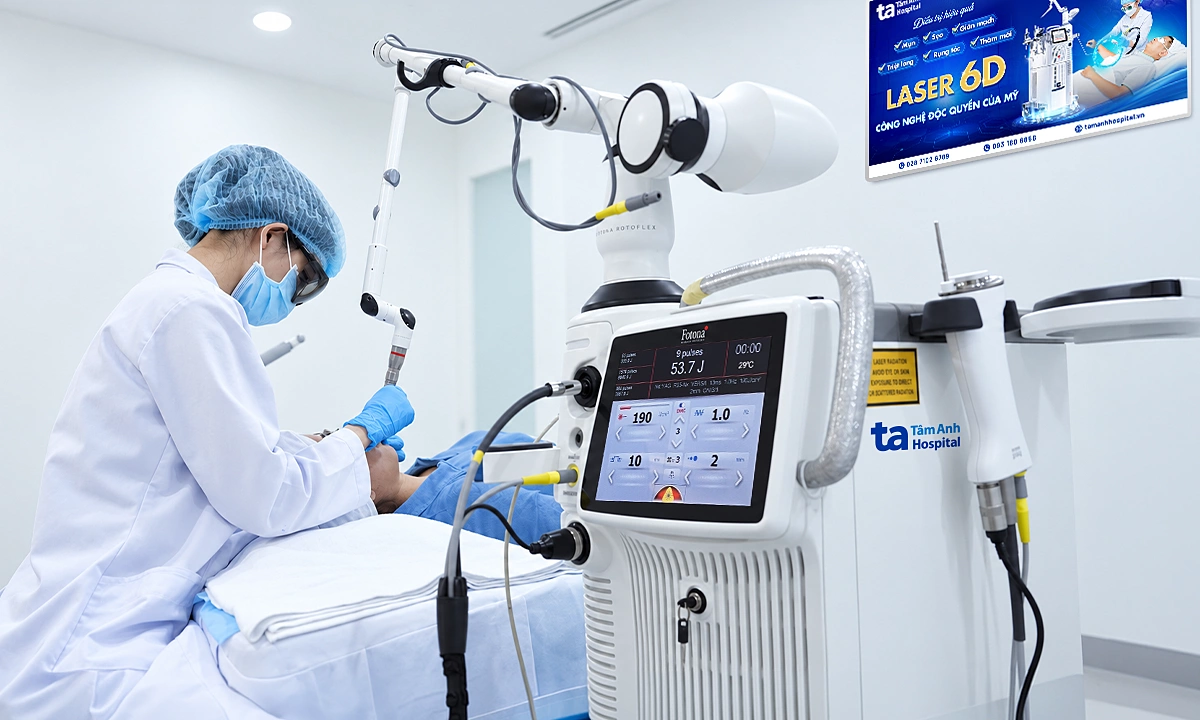
Ms. Thu, 24 years old, had a red scar near her lip. Doctors treated it with 6D laser to improve its color and skin structure.

4 ways to reduce the risk of blocked blood vessels

4 ways to reduce the risk of blocked blood vessels

Healthy eating, managing cholesterol, blood sugar, and weight can help reduce the risk of plaque formation and blocked blood vessels.

15-year-old diagnosed with hemorrhoids

15-year-old diagnosed with hemorrhoids

Tien, 15, discovered hemorrhoids a year ago; they have since increased in size, and doctors diagnosed her with both internal and external hemorrhoids.

Seemingly harmless post-meal habits can cause blood fat to spike

Seemingly harmless post-meal habits can cause blood fat to spike

Many people routinely lie down or sit motionless for hours after dinner, a habit that, over time, can negatively impact metabolism and elevate blood fat levels, especially when combined with an unhealthy diet.

Factors increasing early myopia risk in children

Factors increasing early myopia risk in children

Prolonged near vision, limited outdoor activity, and insufficient lighting can heighten the risk of myopia in children.

What to do when blood vessels appear on the white of the eye?

What to do when blood vessels appear on the white of the eye?

Red spots appearing on the white of the eye are typically caused by ruptured small blood vessels beneath the conjunctiva; most are naturally reabsorbed and disappear within a few weeks.

Gaining 18 kg due to polycystic ovaries

Gaining 18 kg due to polycystic ovaries

Ms. Truc, 55, gained 18 kg in one year, experienced irregular periods and irritability, initially attributing it to perimenopause, but doctors diagnosed polycystic ovaries.

Russian plague researcher dies from unknown illness

Russian plague researcher dies from unknown illness

A 28-year-old female plague researcher in Russia suddenly passed away from an "unknown lung disease," prompting authorities to activate epidemic prevention measures.

Eng English
China 中国人
  • News
  • World
  • Business
  • Entertainment
  • Sports
  • Law
  • Education
  • Health
  • Lifestyle
  • Travel
  • Science
  • Digital
  • Automobiles
FPT Tower, 10 Pham Van Bach Street, Dich Vong Ward,
Cau Giay District, Hanoi, Vietnam
Email: contacts@vnportal.net
Tel: 028 7300 9999 - Ext 8556
Advertise with us: 090 293 9644
Register
© Copyright 2026 vnnow.net. All rights reserved.
Terms of use Privacy policy Cookies