The liver filters toxins from the blood and metabolizes nutrients from food to produce energy. Elevated liver enzymes occur when enzyme levels in the blood are high. The two most common enzymes are alanine transaminase (ALT) and aspartate transaminase (AST). Elevated liver enzymes indicate the liver is overloaded or damaged. In some cases, this elevation is caused by certain types of cancer.
Liver cancer
Primary liver cancer, where cancerous tumors originate in the liver, is closely linked to chronic viral hepatitis, alcoholic liver disease, fatty liver disease, and cirrhosis. These conditions damage the liver, destroying local tissue and increasing liver enzyme levels. Tumors can also injure or inflame liver cells, causing them to leak ALT and AST into the bloodstream.
Common symptoms of liver cancer include abdominal pain, a mass in the right upper abdomen, jaundice, and dark urine. Liver cancer is typically diagnosed through a combination of screening blood tests and medical imaging methods such as ultrasound, CT scans, or MRI.
 |
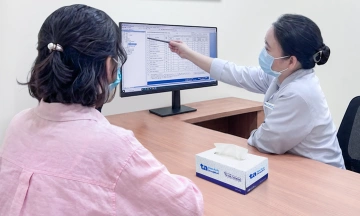
Some cancer treatment drugs can elevate liver enzymes. Photo: Anh Chi |
Some cancer treatment drugs can elevate liver enzymes. Photo: Anh Chi
Colorectal cancer
Colorectal cancer is the most common cause of secondary liver tumors or metastasis to the liver. This is because the blood supply from the intestines connects directly to the liver, facilitating cancer's spread to this organ.
Typical symptoms of colorectal cancer include changes in stool, unusual bowel movements, and abdominal pain. However, when tumors metastasize to the liver, they grow, damage the liver, and destroy liver cells, which can easily lead to elevated liver enzymes.
Breast cancer
According to WebMD, breast cancer is common in women, with frequent signs including a lump in the breast, unusual dimpling of the skin around the breast, nipple discharge or changes in shape, and chest pain. If not detected and treated promptly, breast cancer can metastasize to many organs, including the liver, altering blood liver enzyme levels.
Elevated liver enzymes can also result from side effects of treatment drugs, such as chemotherapy or targeted therapy, which can damage the liver. Additionally, patients using unverified medications or functional foods may overload liver function.
Stomach cancer
This type of digestive cancer is often diagnosed at a late stage and tends to metastasize to the liver, forming secondary tumors that destroy liver cells. Given the proximity of the liver and stomach, a large stomach tumor can compress the bile duct system, causing cholestasis, which damages liver cell structures and elevates liver enzymes.
Anh Chi (Compiled)
| Readers can submit questions about digestive diseases here for doctors to answer. |