Dr. Nguyen Thi Bich Tram, from the Department of Cardiology, Cardiovascular Center, Tam Anh General Hospital, Ho Chi Minh City, stated that during pregnancy, a mother's body increases circulation to supply blood and oxygen to both mother and fetus. From about the 6th week, the amount of blood the heart pumps per minute increases by 30-50% compared to before pregnancy, with heart rate increasing by 10-20 beats per minute. Blood vessels in the body dilate, reducing systemic vascular resistance, requiring the cardiovascular system to adapt to significant changes during pregnancy.
In healthy individuals, most of these changes are normal, and the body can adapt. However, for women with cardiovascular disease, pregnancy can affect heart function. The risk depends on the type of disease, the extent of damage, and heart function before pregnancy.
Heart failure: When blood volume increases, the heart chambers must receive and pump a larger amount of blood. If heart function is already impaired, the heart may not be able to meet the new demands, leading to progressive heart failure.
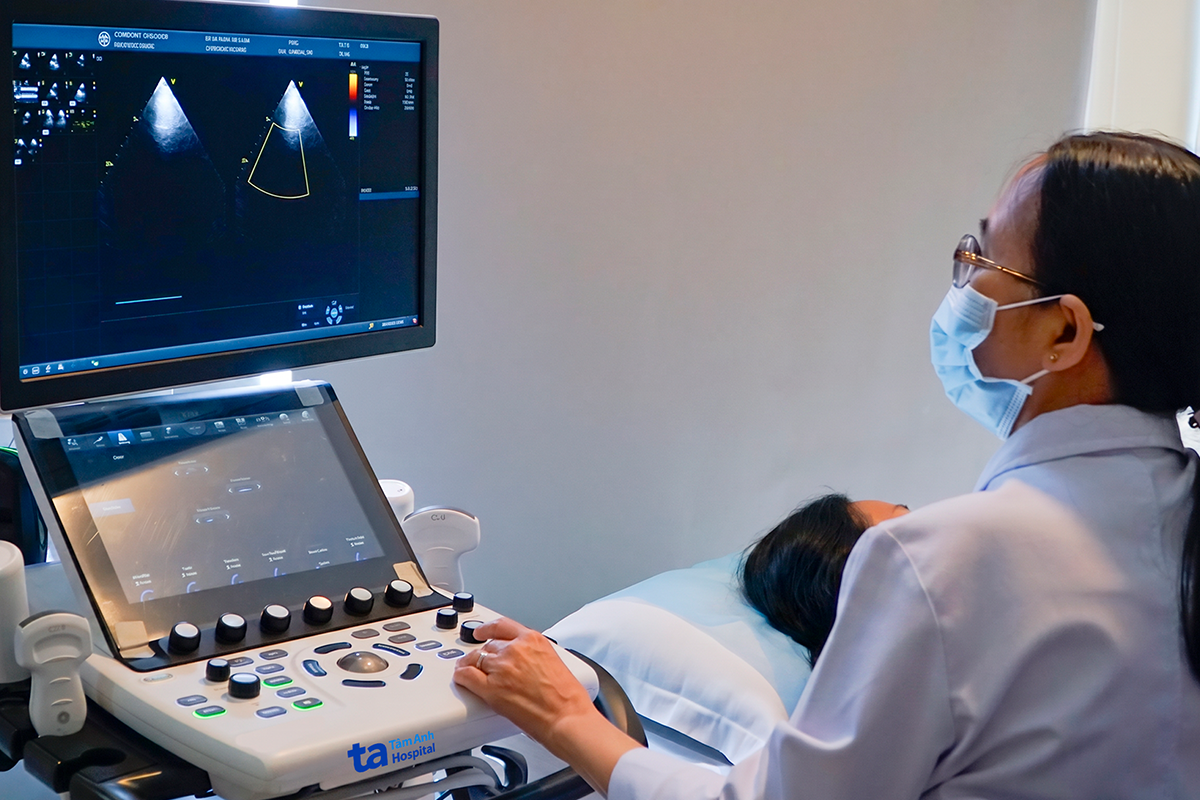 |
Women should undergo examinations and echocardiograms before pregnancy for a safe gestation. Illustrative photo: Tam Anh General Hospital
Valvular heart disease: Valvular stenosis is often more concerning than regurgitation because the heart struggles to increase blood output when circulatory demands rise during pregnancy. Patients with valvular heart disease need their heart function and the extent of damage assessed before pregnancy.
Pulmonary hypertension and Eisenmenger syndrome: These are high-risk conditions where the heart must work against significant pressure in the pulmonary vascular system. Circulatory changes during pregnancy, especially during labor and postpartum, can destabilize the cardiopulmonary condition.
Congenital heart disease and Fontan circulation: In some individuals with congenital heart disease, blood flow to the heart heavily relies on pressure and circulatory volume. Rapid fluctuations during pregnancy, labor, and postpartum increase the risk of complications.
Aortic disease: Pregnancy alters blood volume, heart rate, and stress on blood vessel walls. In individuals with aortic pathologies, especially genetic conditions like Marfan syndrome, these changes increase the risk of events such as aortic dissection.
Arrhythmias: During pregnancy, the heart beats faster, blood volume increases, and heart chambers may change in size. These factors make some pregnant women more prone to developing arrhythmias.
Thrombosis risk: Pregnancy naturally creates a hypercoagulable state to limit blood loss during childbirth, which also increases the risk of blood clot formation. This risk is particularly notable in individuals with mechanical heart valve replacements, atrial fibrillation, cardiomyopathy, or other thrombosis risk factors.
Gestational hypertension: Whether chronic hypertension (present before pregnancy or before 20 weeks of gestation) or gestational hypertension (appearing after 20 weeks of gestation), both carry risks of preeclampsia, eclampsia, premature birth, and other complications.
Dr. Tram advises that before pregnancy, women should undergo reproductive health check-ups, receive all necessary vaccines, supplement with folic acid, vitamins, and minerals, and maintain a scientific diet and exercise regimen.
During pregnancy, expectant mothers must adhere to their appointment schedule, undergo echocardiograms, and immediately inform their doctor if they experience progressively worsening shortness of breath, chest pain, fainting, prolonged palpitations, significant edema, or reduced exercise tolerance. These could be signs that the cardiovascular system is no longer adapting well to the changes of pregnancy.
Women with heart disease should consult a cardiologist before pregnancy. During labor and postpartum, circulation continues to fluctuate rapidly. Each uterine contraction can push about 300-500 ml of blood back into the circulatory system, while cardiac output increases by an additional 60-80% compared to pre-labor levels.
After childbirth, blood volume and heart activity do not immediately return to normal but continue to change during the first few weeks. Women with heart failure, peripartum cardiomyopathy, pulmonary hypertension, severe valvular heart disease, or those using anticoagulants require ongoing monitoring.
Thu Ha
| Readers can submit questions about cardiovascular diseases here for doctors to answer |