Platelets are one of three crucial types of blood cells produced in the bone marrow. They play a vital role in hemostasis, preventing blood loss by adhering to the vascular basement membrane and to each other, forming clots and platelet plugs at sites of vascular injury.
A healthy individual typically has a platelet count ranging from 150,000 to 450,000/µL (one drop of blood is approximately 35 µL). Thrombocytopenia, or a low platelet count, is diagnosed when this number falls below 150,000/µL. A count below 5,000/µL is extremely dangerous and can be life-threatening.
Dr. Nguyen Quoc Thanh, Head of the Clinical Hematology Unit at Tam Anh General Hospital, states that common causes of low platelet count include bone marrow disorders, dengue fever, hepatitis B, sepsis, immune disorders, or side effects from medications, chemotherapy, and radiation therapy. This condition affects both children and adults.
 |
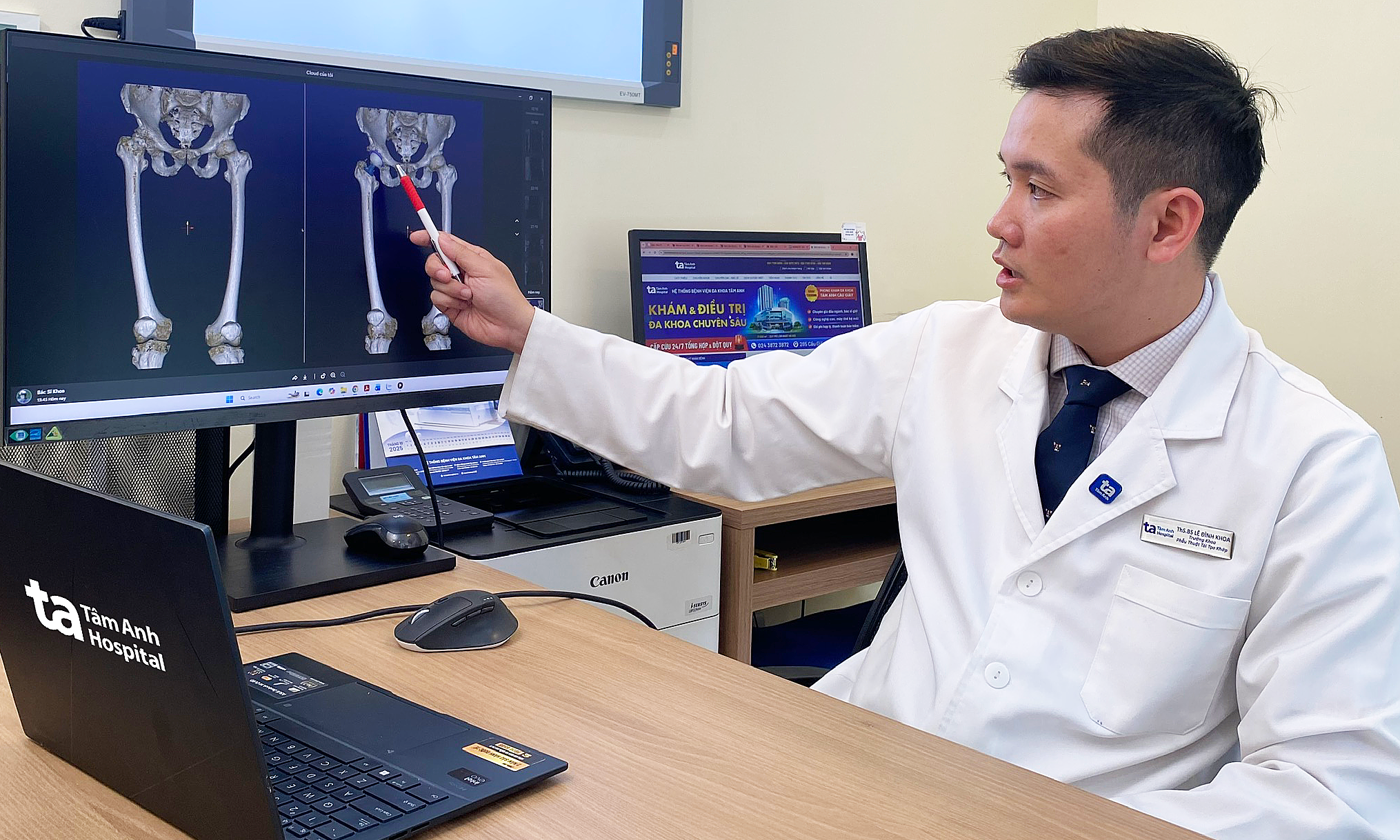
Dr. Thanh advises a patient. Illustration: *Tam Anh General Hospital*. |
Mild thrombocytopenia may be asymptomatic and discovered incidentally during routine general blood tests. In many cases, it causes petechiae, skin bruising, hematomas, prolonged bleeding from cuts or wounds, nosebleeds, hematuria, or gastrointestinal bleeding.
In severe cases, patients experience spontaneous bleeding from gums or internal organs, complications such as subarachnoid or cerebral hemorrhage, and gastrointestinal bleeding (upper or lower). A low platelet count reduces the blood's clotting ability, making even minor injuries or internal bleeding prolonged, difficult to control, and potentially leading to significant blood loss.
The danger of thrombocytopenia varies based on its specific cause, the patient's age, and overall health. Individuals experiencing any unusual symptoms should seek medical attention promptly for timely diagnosis and intervention.
Doctors prescribe treatment methods tailored to each case, aiming to increase platelet count and control or prevent bleeding.
Patients with mild, asymptomatic thrombocytopenia typically do not require treatment. Doctors order emergency platelet transfusions if the condition causes life-threatening bleeding. For those at high risk of bleeding or experiencing complications, early hospital treatment is essential, which may include blood or platelet transfusions, medication, splenectomy, or plasmapheresis.
Individuals with mild thrombocytopenia can generally maintain normal work and daily activities. However, they should avoid contact sports such as martial arts, soccer, and boxing to minimize injury risks that could lead to bleeding. Patients must not use blood-thinning medications like Aspirin, Ibuprofen, Naproxen, or Aleve, and should abstain from alcohol, which can inhibit platelet production in the blood.
Nguyen Tram
| Readers can submit questions about cardiovascular disease here for doctors to answer. |