The World Health Organization (WHO) reported on 28/11 that global vaccination programs have reduced measles deaths by 88% between 2000 and 2024, saving nearly 59 million lives. Despite this progress, 2024 saw approximately 95,000 measles deaths, predominantly among children under five. The year also recorded around 11 million measles cases, a figure higher than pre-pandemic levels. Measles cases significantly increased compared to 2019 in the Eastern Mediterranean (86%), Europe (47%), and Southeast Asia (42%) regions.
In 2024, only 84% of children received their first measles vaccine dose, and 76% received their second dose. These figures fall short of the 95% coverage needed for community protection. Over 30 million children remain unvaccinated, primarily in Africa and the Eastern Mediterranean. A total of 59 countries experienced large-scale measles outbreaks in 2024, the highest number since the Covid-19 pandemic.
By the end of 2024, 81 countries had eliminated measles, a number projected to rise to 96 countries in 2025. However, the Americas are expected to lose their measles elimination status by the end of 2025 due to a resurgence of the disease in Canada.
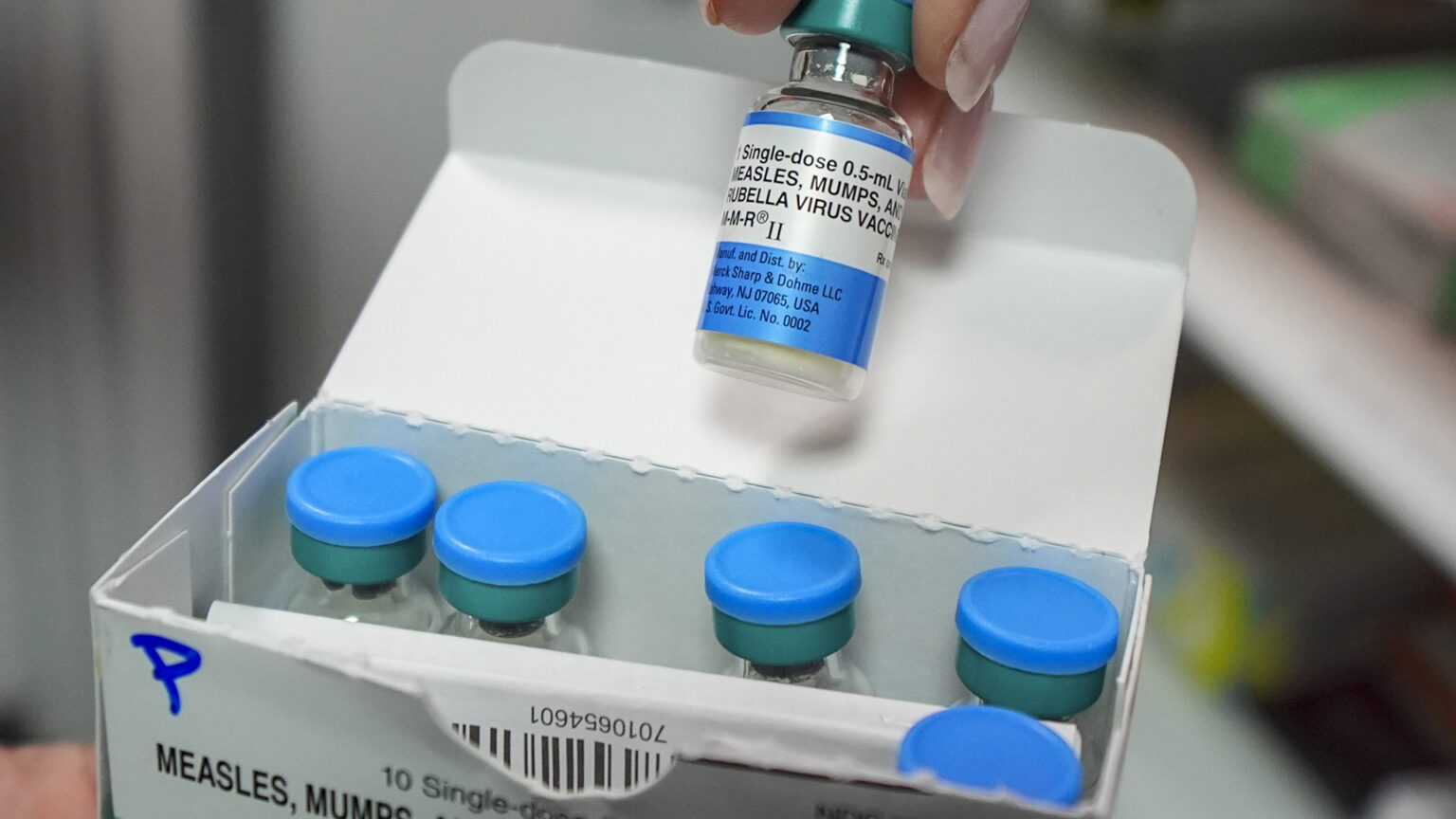 |
A vial of measles-mumps-rubella (MMR) vaccine in Texas, US. *Photo: AP*
The WHO warned that budget cuts for immunization and disease surveillance in some countries could widen immunity gaps, promoting measles outbreaks. The organization urged nations to strengthen routine vaccination efforts, ensuring all children receive two doses. It also called for sustained investment in disease surveillance and response to advance global measles elimination.
Measles is an acute, highly contagious viral infection that spreads easily through the respiratory tract. It commonly affects children and can lead to severe complications. Achieving full vaccination for children and maintaining a vaccine coverage rate above 95% are crucial for eliminating the disease.
Van Ha (According to WHO)