Stroke, also known as a cerebrovascular accident, occurs when blood flow to the brain is interrupted or blocked, causing brain cells to gradually die due to lack of oxygen and nutrients.
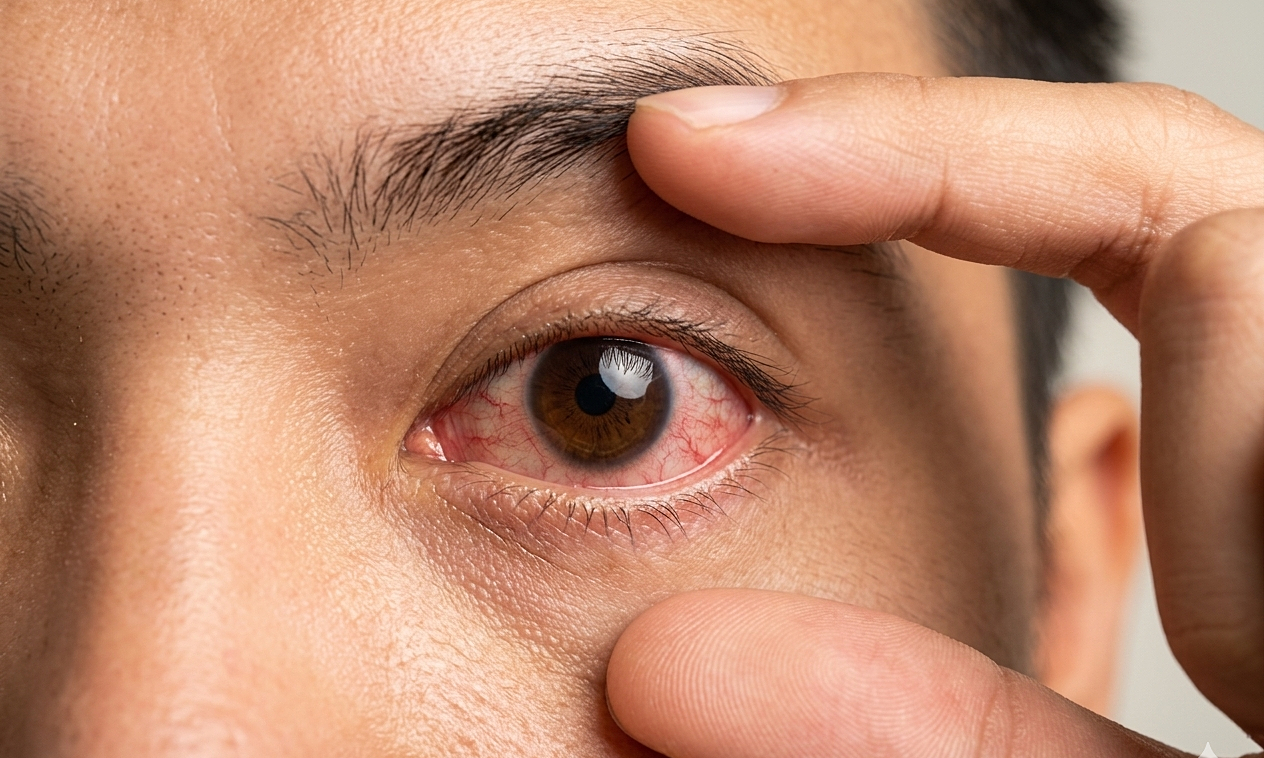
According to Doctor Hoang Quyet Tien from the Medical Information Center at Tam Anh General Hospital in Ho Chi Minh City, many stroke patients experience headaches days before the event but disregard them, mistaking them for common headaches. Headache symptoms can stem from weather changes, hormonal fluctuations, or various other illnesses. However, a headache signaling a stroke often starts as a dull ache, then gradually becomes intense, sudden, or unusually prolonged. Stroke-related headaches may also be accompanied by symptoms such as dizziness, limb weakness, difficulty speaking, or vision changes.
Persistent, recurrent headaches can also be a sign of a transient ischemic attack (TIA), also known as a mini-stroke. This condition appears suddenly and resolves quickly within minutes to a few hours, leading patients to become complacent and delay seeking timely medical attention.
"The risk of stroke is closely linked to aging, underlying medical conditions, prolonged stress, sleep disorders, environmental pollution, and a sedentary lifestyle," Doctor Tien explained. These factors impact metabolic processes, causing the body to produce numerous free radicals. Free radicals attack and damage the vascular endothelium, facilitating the formation of atherosclerotic plaques that narrow the blood vessel lumen. This makes blood flow more difficult and reduces blood supply to the brain. When a plaque detaches from the vessel wall and combines with blood cells and other factors, it can form blood clots that may become trapped, causing a vascular blockage.
To prevent stroke and other brain conditions, it is advisable to maintain a regular exercise regimen, ensure adequate rest, get sufficient and timely sleep, reduce stress, and avoid tobacco and alcohol. A scientific diet rich in green vegetables and fatty fish, while limiting animal fats and fried foods, is also crucial. Certain natural extracts like blueberry and ginkgo biloba possess antioxidant properties, helping to protect cerebral blood vessels and nerve cells. These active compounds can support the reduction of atherosclerotic plaque formation, improve cerebral blood circulation, and alleviate symptoms of headaches and insomnia.
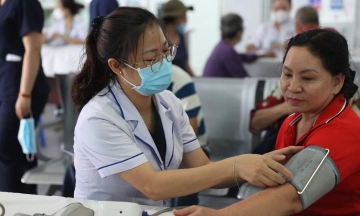
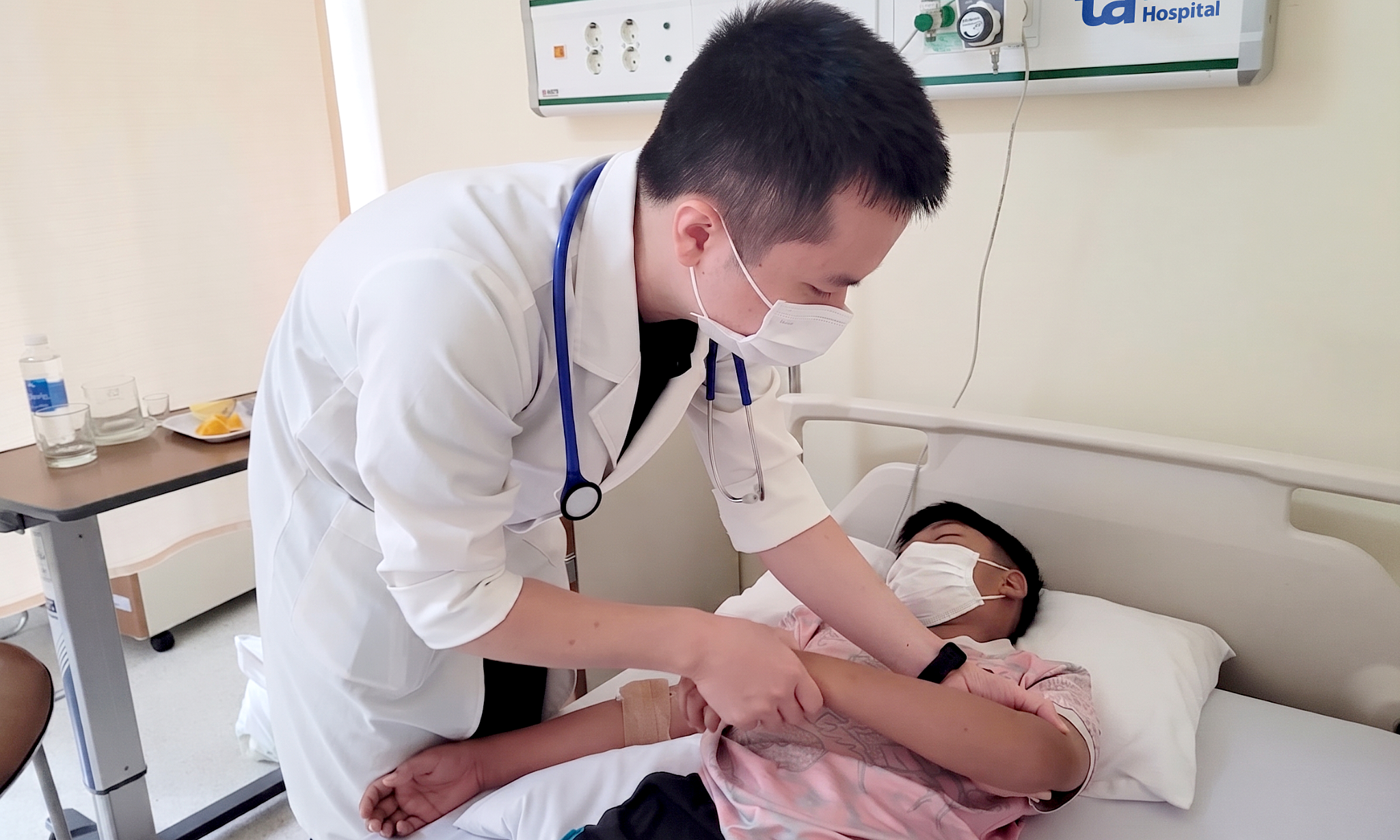
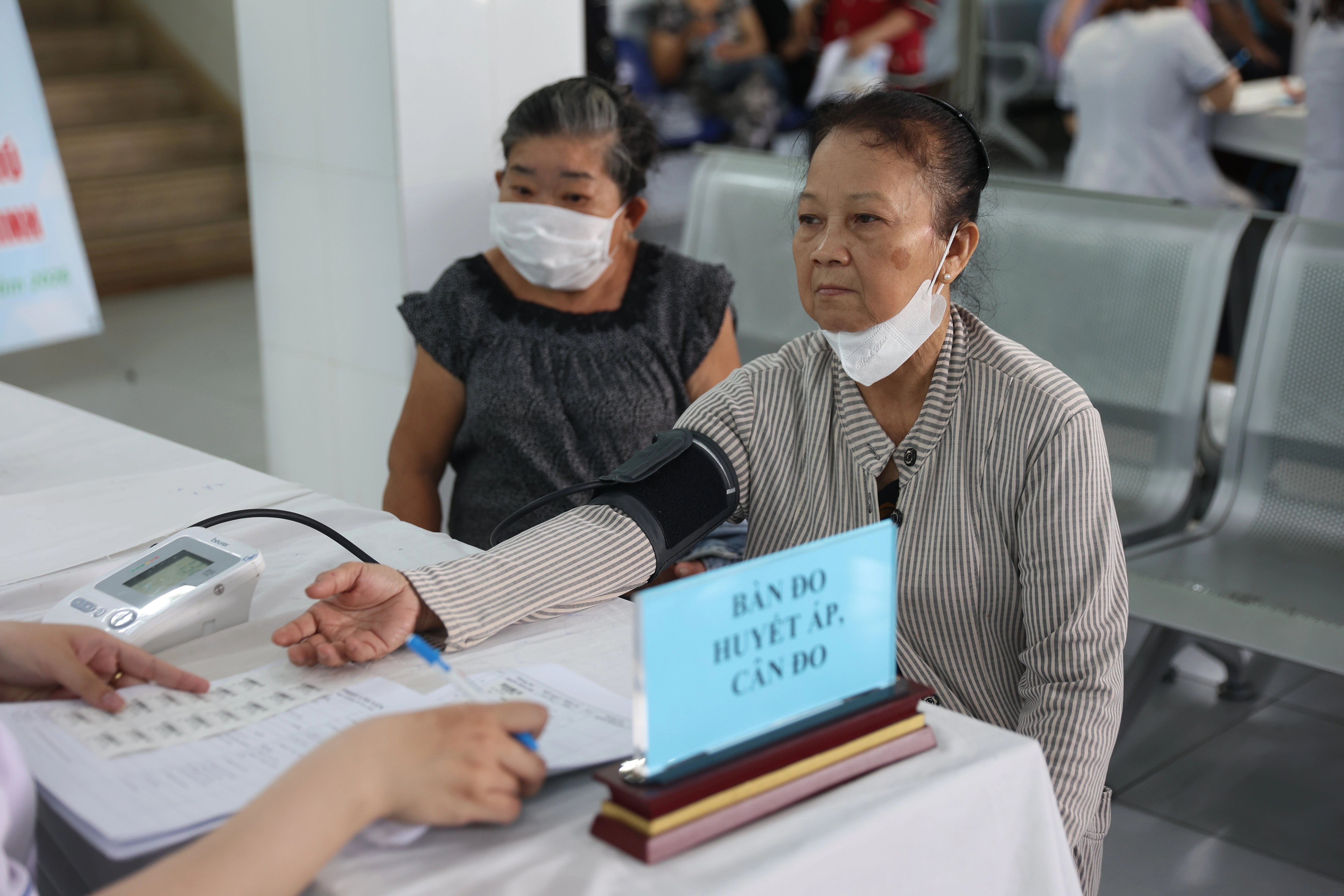
Doctor Nguyen Thi Minh Duc, Head of the Neurology Department at the Neuroscience Center, Tam Anh General Hospital in Ho Chi Minh City, advises individuals with underlying conditions such as hypertension, diabetes, cardiovascular disease, obesity, or high blood lipids to manage their illnesses and undergo annual health check-ups at least once a year. High-risk individuals, including those over 55 years old, with a family history of stroke, or suffering from underlying medical conditions, can undergo stroke screening as guided by a doctor.
Depending on the case, doctors may prescribe a range of paraclinical tests, from basic to advanced, such as blood lipid tests, cardiopulmonary ultrasound, CT scans, brain magnetic resonance imaging (MRI), cerebral angiography, or digital subtraction angiography (DSA).
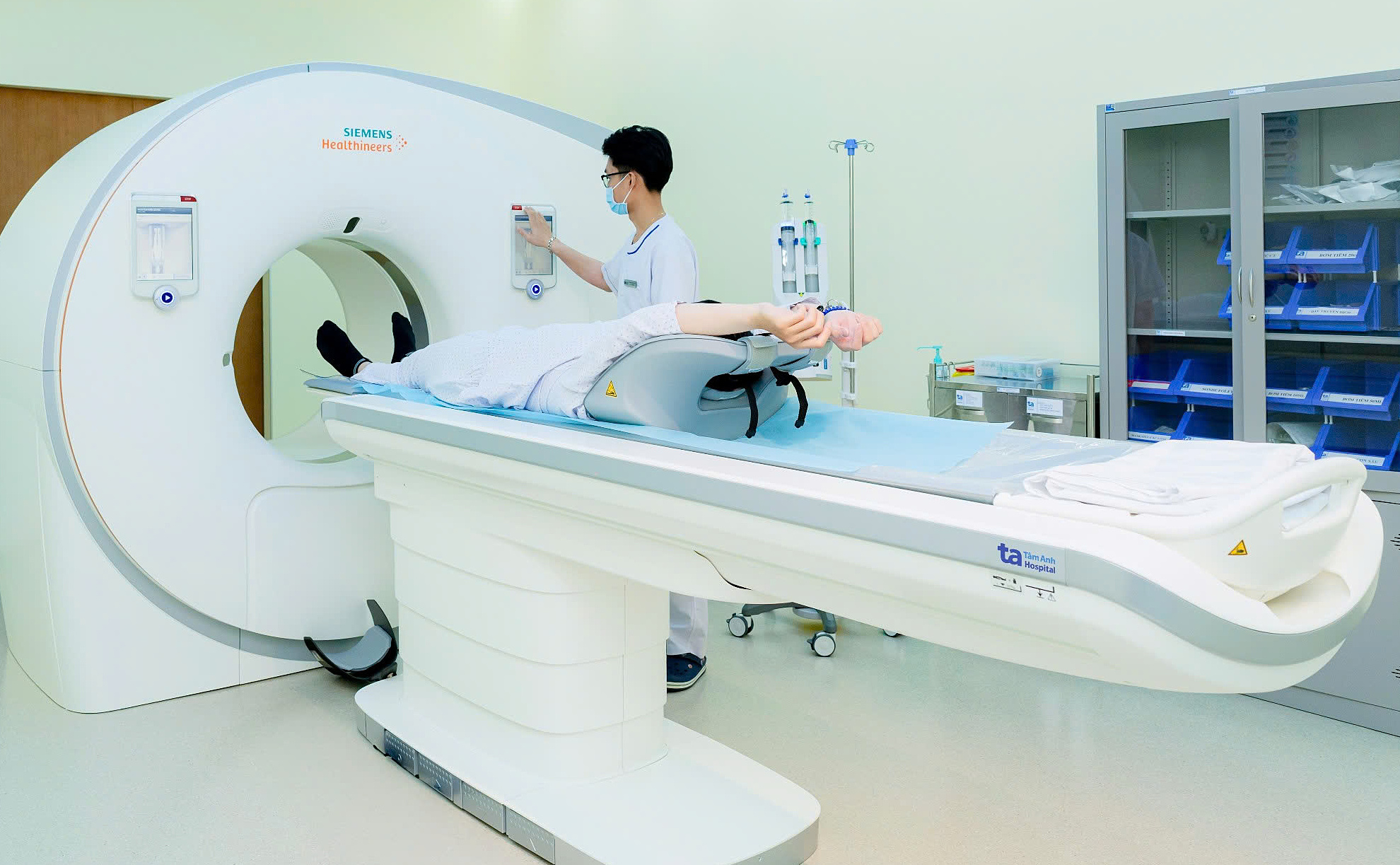 |
CT scans with over 100,000 Somatom Force VB30 slices aid in stroke screening at Tam Anh General Hospital. *Photo courtesy of the hospital*.
Individuals experiencing unusual symptoms such as severe headaches, prolonged and frequently recurring headaches, numbness or weakness in limbs, facial drooping, or slurred speech should seek medical attention as soon as possible.
Vietnam is one of the countries with a high stroke risk globally, with an average of 200,000 stroke cases recorded annually.
Thai Thanh
| Readers can submit questions about neurological conditions here for doctors to answer. |