Ho Chi Minh City has recently endured an intense heatwave, with outdoor temperatures reaching 37-38 degrees Celsius. This weather has led to a notable increase in pediatric visits. Nhi Dong 2 Hospital, for instance, reports a 20% rise in daily visits for children under 5, now seeing 3,000-4,000 patients. Nhi Dong 1 Hospital and Nhi Dong Thanh Pho Hospital are experiencing similar crowded conditions.
Acute respiratory infections account for over 50% of daily pediatric consultations, according to Dr. Tran Nguyen Khoi, deputy head of the outpatient department at Nhi Dong 2 Hospital. The remaining cases primarily involve digestive and dermatological conditions. Additionally, infectious diseases such as hand, foot, and mouth disease, dengue fever, and chickenpox are showing a slight uptick.
Dr. Khoi attributes this surge to the hot and humid climate, which fosters the proliferation of various bacterial strains. A significant contributing factor is children's frequent transitions between the intense outdoor heat and air-conditioned indoor environments. This rapid temperature change prevents their bodies from adapting, making them prone to illnesses like acute respiratory infections, flu, upper respiratory infections, bronchitis, and pneumonia.
The hot season also accelerates food spoilage, directly contributing to children's digestive problems, including digestive disorders, diarrhea, and food poisoning. Furthermore, the high temperatures cause increased sweating and dry skin. Without adequate hydration and proper hygiene, children are susceptible to dermatological issues such as dermatitis, allergies, and skin infections.
Beyond these conditions, children face a heightened risk of contracting hand, foot, and mouth disease, dengue fever, and chickenpox. Dr. Khoi specifically noted that hand, foot, and mouth disease typically sees an increase from March to May and again from September to November each year.
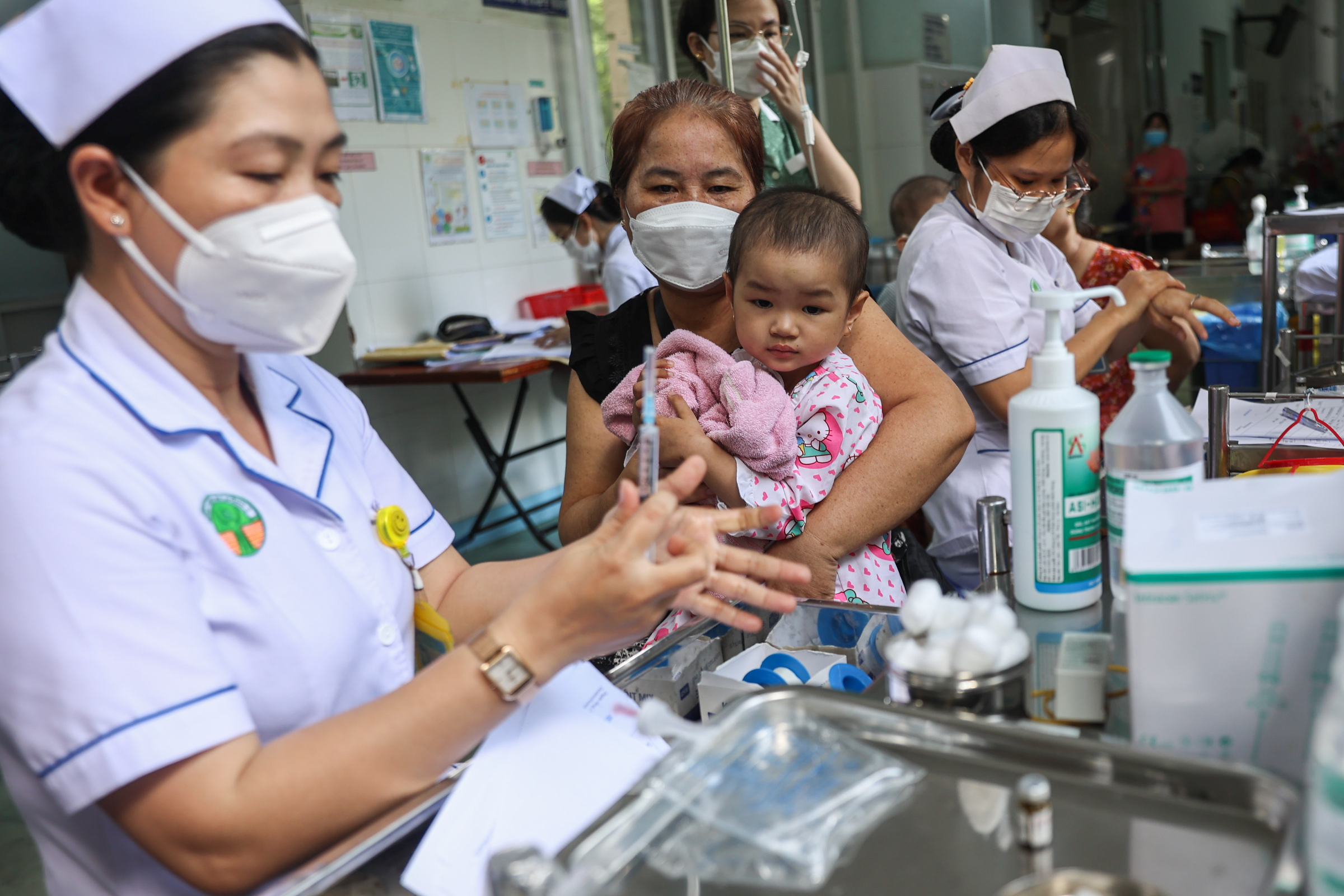 |
Children receiving treatment at Nhi Dong 2 Hospital. Photo: Quynh Tran
To proactively safeguard children's health during this period, medical professionals urge parents to ensure their children receive all recommended vaccinations for diseases like chickenpox, meningitis, dengue fever, mumps, rubella, and flu. Maintaining a cool, well-ventilated home environment is crucial. Parents should also avoid exposing children to intense midday sun, dress them in light, breathable clothing, and limit strenuous activities. When children are outdoors, careful sun protection is necessary, and air conditioning should be used judiciously to prevent abrupt temperature shifts.
Ensuring children drink sufficient water and adhere to the principle of eating cooked food and drinking boiled water are essential. Proper hand hygiene, including washing hands thoroughly before meals and after using the restroom, is also vital. If a child becomes ill, parents should inform their teachers and keep the child home from school to prevent the spread of infection within the community.
When caring for a sick child at home, parents must diligently monitor for signs of a worsening condition. Immediate medical attention is required if a child exhibits a high fever, lethargy, signs of impending seizures, frequent vomiting, severe diarrhea, listlessness, refusal to feed, or poor eating.
Le Phuong