According to pharmacist Do Xuan Hoa from the Medical Information Center at Tam Anh General Hospital, Ho Chi Minh City, the average age of menopause for Vietnamese women ranges from 48 to 50 years old. However, the onset of perimenopause varies among individuals. This process can quietly begin after age 35, as declining activity of the hypothalamus-pituitary-ovarian axis leads to fluctuations in estrogen, progesterone, and testosterone hormones. Several factors can influence this process.
Genetics
The age at which your mother, aunts, or sisters experienced menopause can help you estimate your own timing. For instance, if a mother reached menopause at age 52, her daughter is likely to experience it around the same age. Similarly, if your mother or sisters experienced early menopause at age 40, you are also more prone to early menopause.
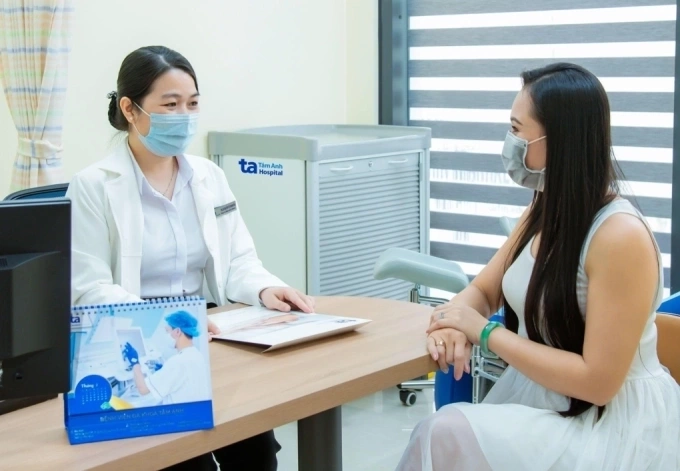 |
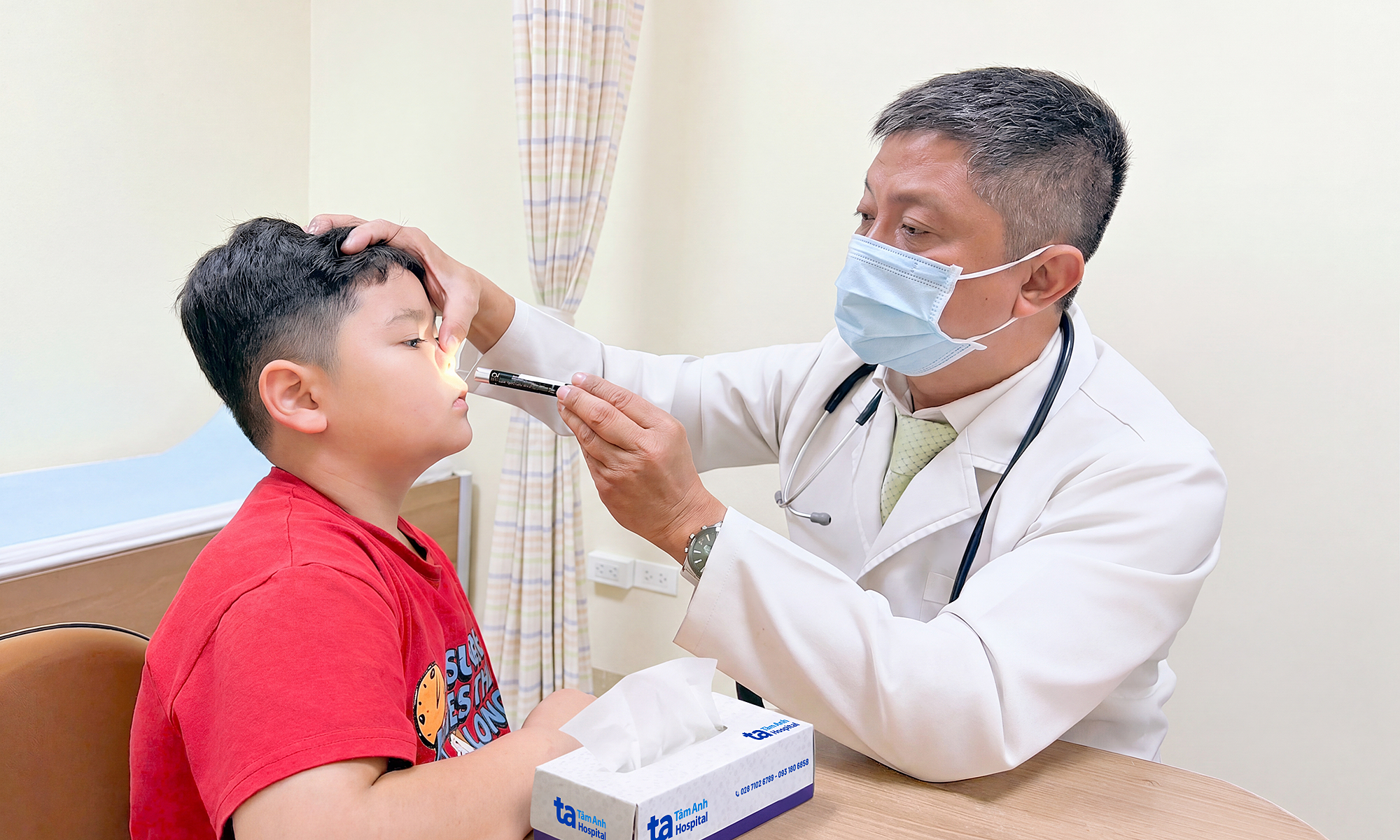
Doctors at Tam Anh General Hospital advise women on hormone checks. Photo: Provided by the hospital. |
Medical history
Women with a history of ovary removal surgery, chemotherapy, pelvic radiation therapy, or autoimmune diseases like systemic lupus erythematosus and Hashimoto's thyroiditis face a higher risk of early menopause.
Underweight women, characterized by a low body mass index (BMI), face risks of ovulation disorders and early menopause. Conversely, obesity often results in prolonged yet irregular menstrual cycles due to metabolic disturbances impacting estrogen synthesis.
Lifestyle
Smoking, heavy alcohol consumption, sedentary habits, and an unhealthy diet accelerate the aging of the hypothalamus-pituitary-ovarian axis, causing imbalances in estrogen, progesterone, and testosterone. Conversely, a healthy lifestyle, incorporating a diet rich in green vegetables, regular exercise, stress management, and limiting alcohol and stimulants, can delay the onset of menopause.
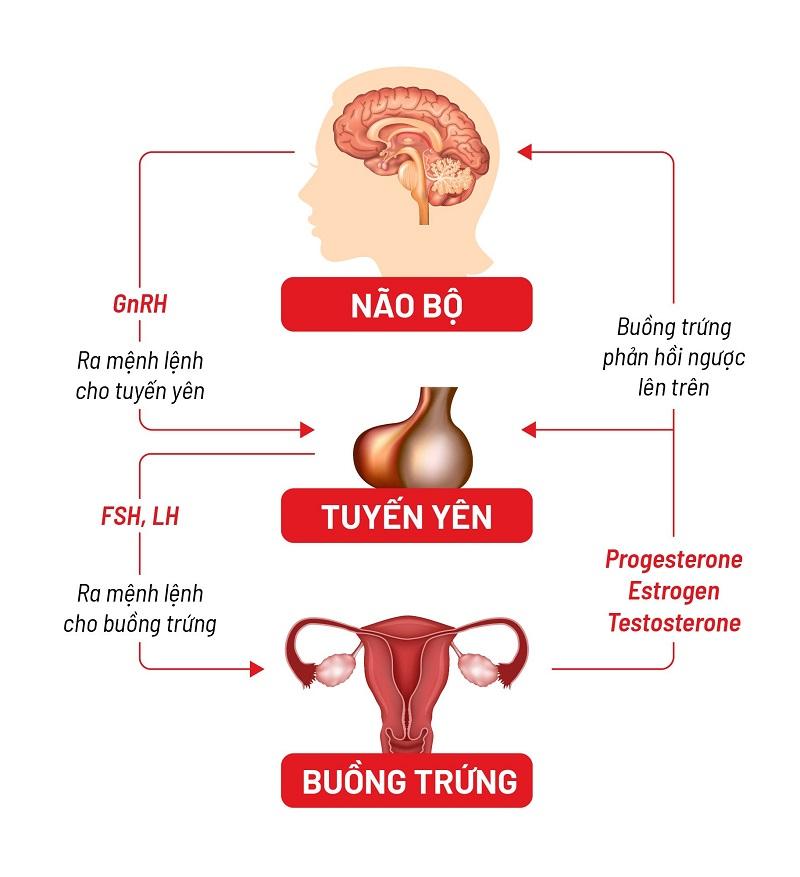 |
Illustration of the hypothalamus-pituitary-ovarian axis's activity in producing hormones in the female body. Photo: Eco Pharmaceutical Joint Stock Company. |
Early warning signs
Pharmacist Hoa notes that as the hypothalamus-pituitary-ovarian axis declines, the body struggles to maintain stable levels of estrogen, progesterone, and testosterone. Women may experience hot flashes, sleep disturbances, vaginal dryness, reduced libido, mood swings, irritability, weight gain, hair loss, and dry, wrinkled, or darkened skin. Menstrual irregularities—such as cycles that are too short, too long, or have abnormal blood flow—are among the most typical indicators of this stage.
Hormone testing
Doctors perform specialized endocrine tests, including: measuring follicle-stimulating hormone (FSH) levels, estradiol concentrations, and luteinizing hormone (LH), to assess ovarian function and reproductive hormones. These results help precisely determine the perimenopause-menopause transition.
Perimenopause and menopause are natural aging processes that all women experience. A clear understanding of this stage helps women maintain psychological stability, adapt proactively, and make timely lifestyle adjustments. Natural extracts such as Lepidium meyenii and P. Leucotomos can enhance the hypothalamus-pituitary-ovarian axis activity, supporting the balance of the three essential hormones in the body.
Thai Thanh
| Readers can send questions about obstetrics and gynecology here for doctors to answer. |