The ctDNA test, also known as liquid biopsy, uses molecular-level biotechnology to detect minimal residual disease (microscopic cancer cells) after colorectal cancer surgery. This allows doctors to stratify recurrence risk and guide early treatment.
Associate Professor, Doctor Trieu Trieu Duong, Director of Surgery at Tam Anh General Hospital Hanoi system, explained that patients with colorectal cancer in stages one, two, and three can undergo curative tumor resection surgery with clear margins. However, a very small number of cancer cells can still persist in peripheral blood, bone marrow, or the tissue microenvironment, a condition known as minimal residual disease (MRD). These cells can remain "dormant" for a long time before reactivating and developing into a recurrent tumor.
"Current modern tests and imaging diagnostics such as endoscopy, CT, MRI, PET/CT, and serum tumor markers are currently unable to detect minimal residual disease when the cell count is too small," Doctor Duong stated.
Liquid biopsy using ctDNA (circulating tumor DNA) is performed by taking 10 ml of a patient's blood, extracting it, and performing gene sequencing to find DNA fragments released by the tumor and circulating in the blood, thereby detecting minimal residual disease.
 |
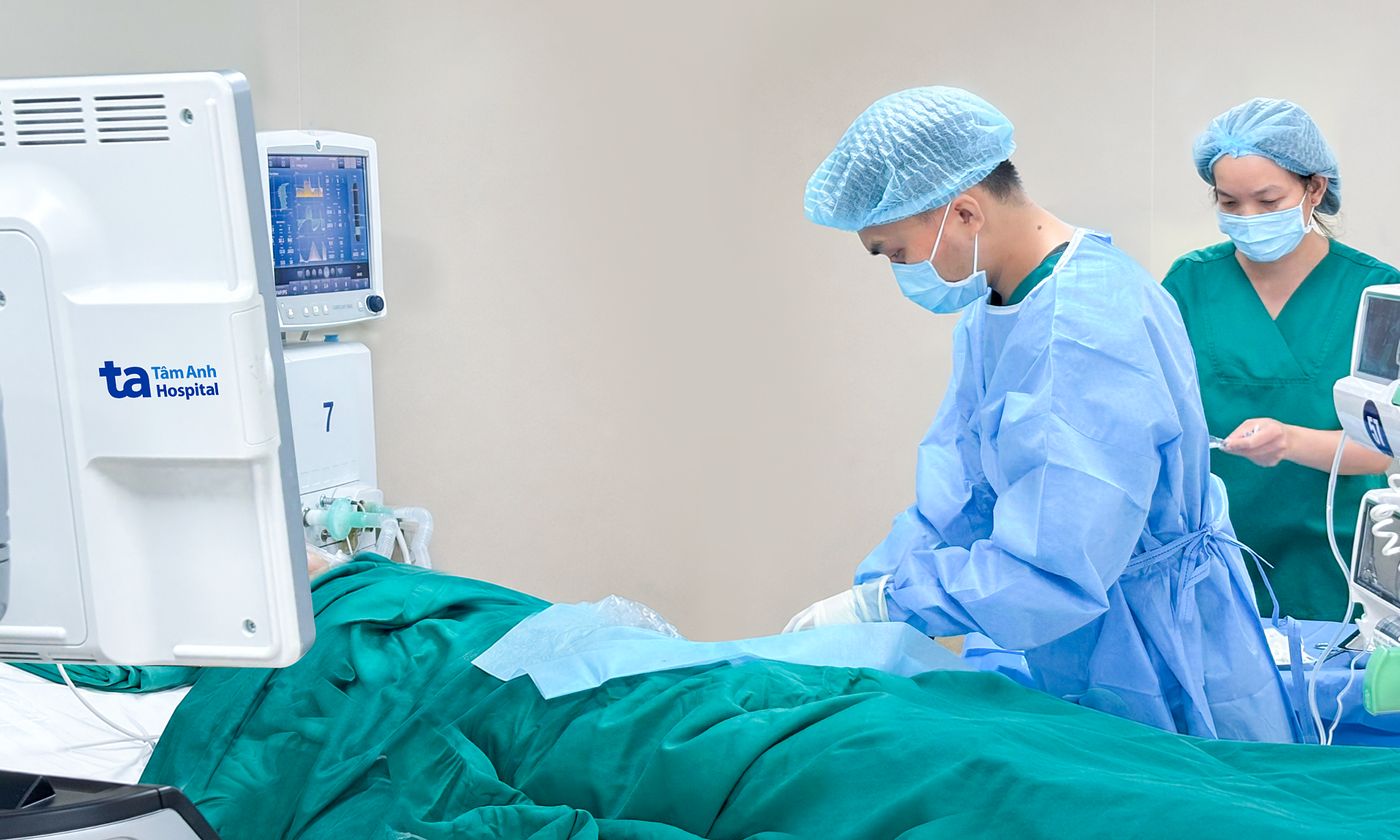
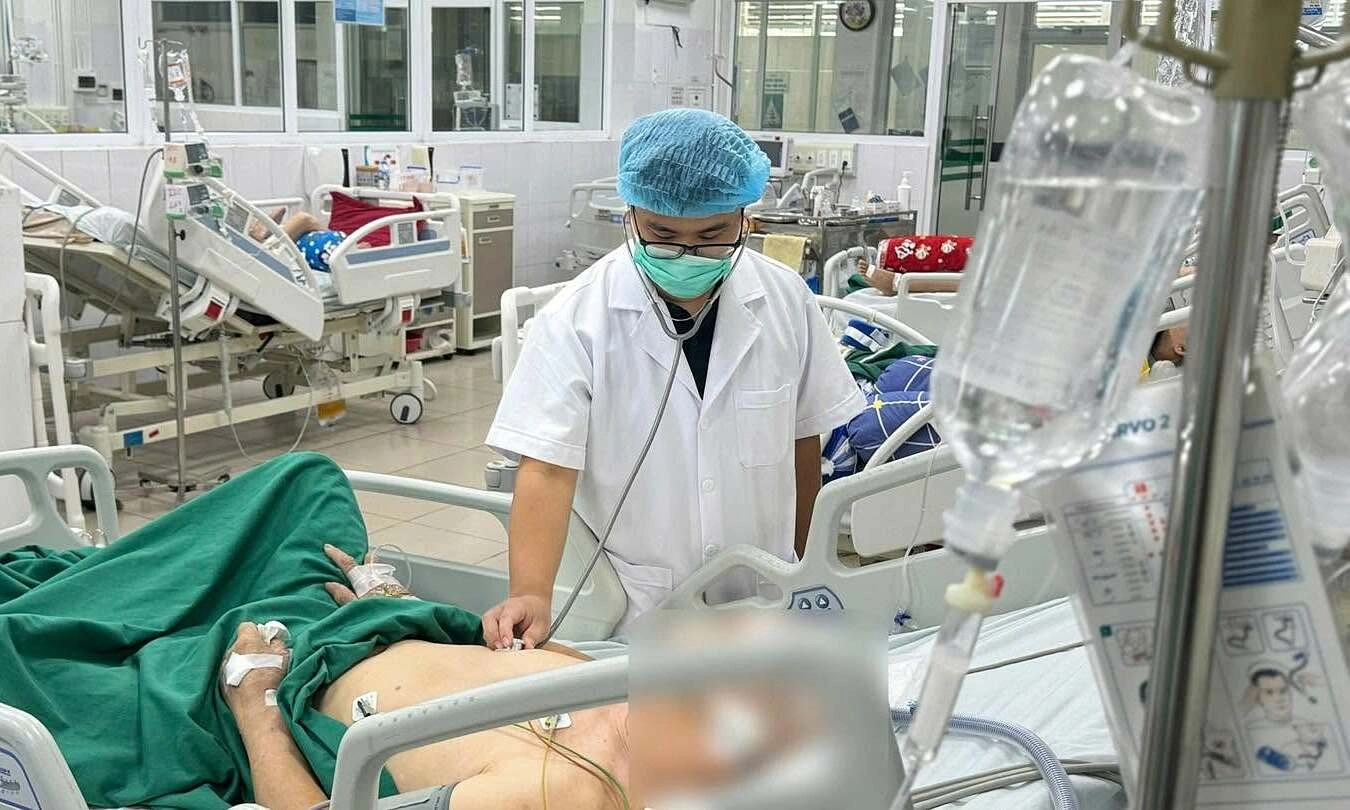
Associate Professor Duong (center) performs laparoscopic curative colon cancer surgery for a patient. *Photo: Tam Anh General Hospital* |
For example, Mr. Xuan, 64 years old, had stage three colon cancer that had invaded the abdominal wall. Associate Professor Duong performed surgery to remove the cancerous colon section along with the invaded abdominal wall area, and the results showed no cancer cells at the margins.
Four weeks after surgery, Mr. Xuan had a follow-up ctDNA test which was negative. Fifteen months later, Mr. Xuan had no symptoms, but his ctDNA result was positive. Doctor Duong then increased the frequency of follow-up visits and screening. In the 20th month, Mr. Xuan's CT scan revealed a local recurrence. A multidisciplinary team of doctors convened and recommended a second curative tumor resection surgery. Four weeks later, the ctDNA test result returned to negative.
Mr. Xuan is one of 38 colorectal cancer patients treated at Tam Anh General Hospital Hanoi who underwent ctDNA testing before and two to four weeks after surgery. All of them had negative ctDNA results after surgery and no disease recurrence throughout the follow-up period, indicating that the disease was eradicated.
 |
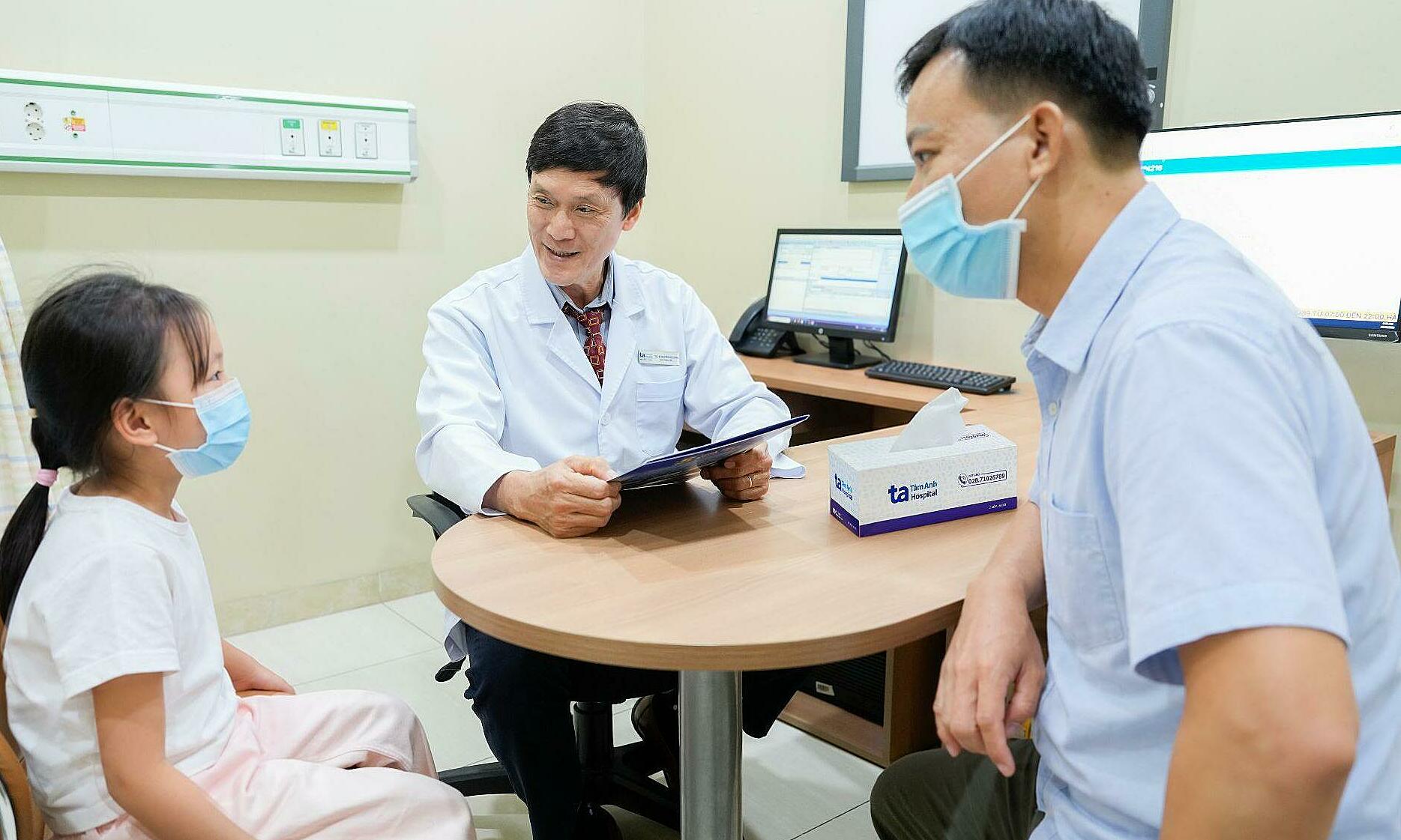
Medical staff prepare a blood sample for a patient's ctDNA test. *Photo: Tam Anh General Hospital* |
According to Associate Professor Duong, ctDNA results allow for more accurate prognosis, recurrence risk assessment, and follow-up planning. This method is suitable for monitoring colorectal cancer after surgery, controlling the disease long-term, and improving patients' lifespan and quality of life.
Globocan 2024 recorded over 22,500 colorectal cancer cases and nearly 11,000 deaths in Vietnam, ranking it third among common cancer types.
Thanh Long
| Readers can submit questions about cancer here for doctors to answer. |