For individuals managing diabetes, adopting a healthy diet with nutrient-rich foods and appropriate portion sizes is essential. This approach not only helps improve overall health and maintain a stable weight but also plays a vital role in controlling blood sugar, blood pressure, and lipid levels, thereby reducing the risk of diabetes complications. This article provides suggestions for three balanced main meals to support diabetics.
Breakfast
Eating a breakfast rich in fiber and protein provides long-lasting energy for the body and can prevent sudden blood sugar spikes. Good options for diabetics to consider include:
Low-fat Greek yogurt or non-dairy alternatives with flaxseed or chia seeds, and chopped nuts. A spoonful of nut butter combined with a portion of fruit like berries, apples, pears, pumpkin, peaches, or plums blended into a smoothie also helps maintain fullness in the morning. Smoothies made from vegetables such as carrots, kale, celery, with an optional liquid (milk, plant-based milk), protein powder, nut butter, or ground seeds also provide plenty of fiber for the first meal of the day.
Eggs prepared to your liking, such as boiled, vegetable omelets, or poached eggs served with spinach, bell peppers, lettuce, and a slice of low-starch whole-grain bread, are also suitable choices for blood sugar control.
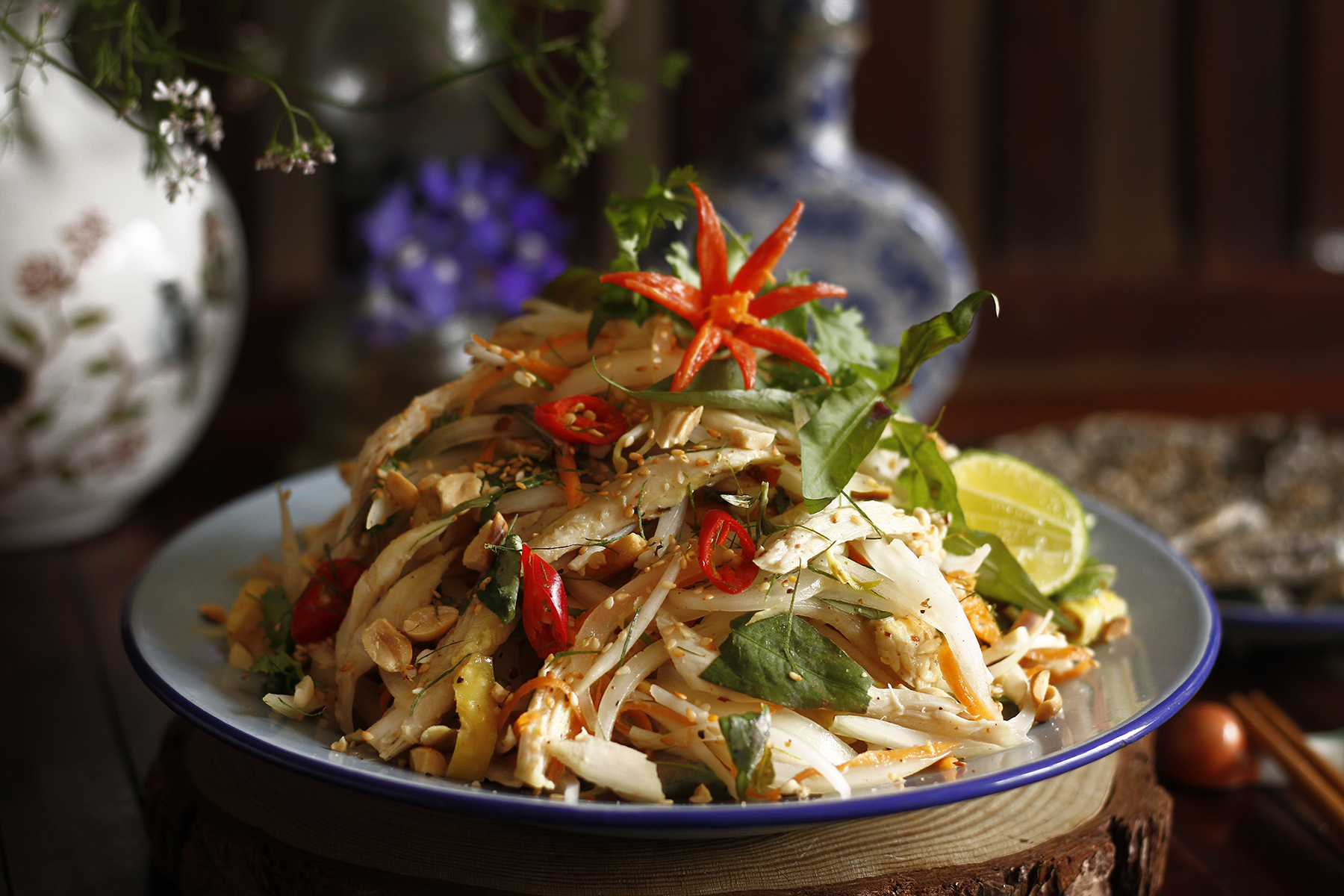 |
Chicken salad with bell peppers and onions provides protein and fiber for the body. Photo: Bui Thuy
Lunch
Diabetics should choose a lunch rich in fiber, protein, and heart-healthy fats, which supports weight loss and reduces the risk of insulin resistance. Lean proteins like white chicken meat, turkey, fish, tofu, and lean beef promote satiety, support the immune system, aid wound healing, and foster muscle development. Heart-healthy fats such as olive oil, avocados, fatty fish, seeds, and nuts help reduce inflammation. Some lunch suggestions include:
A large salad with grilled protein (chicken, fish, shrimp, tofu, or boiled eggs), non-starchy vegetables, a half cup of beans or roasted sweet potatoes, avocado, lemon, and olive oil.
Low-salt vegetable soup accompanied by a portion of fruit. Tuna salad combined with avocado, carrots, cucumbers, served with lettuce and a touch of olive oil.
A lunchbox can include grilled or pan-fried chicken, raw vegetables, brown rice, and whole-grain bread or low-starch crackers, which helps stabilize blood sugar.
Dinner
Dinner is a time when diabetics should reduce their intake of calorie-dense foods, as this is when the body is least active and expends the least energy. Dinner should be planned carefully to avoid overnight blood sugar increases.
Patients should prioritize fiber-rich carbohydrates like sweet potatoes, beans, and whole grains, combined with lean plant-based or animal protein and healthy fats. For example: grilled chicken served with roasted sweet potatoes and sauteed asparagus; lemon-garlic baked salmon with roasted pumpkin, kale, and pumpkin seeds; or zucchini spaghetti with lean beef.
Anh Chi (According to Very Well Health)