When cooked rice cools, a portion of its starch transforms into resistant starch, which is less digestible than regular starch. Consequently, cold rice may digest slower, moderating post-meal blood sugar spikes. However, this effect remains minor relative to the total dietary starch. Eating cold rice does not reduce overall starch absorption; it merely slows the digestion of a portion.
Consequently, it is not a "miracle cure" for weight loss or blood sugar control, offering only limited support.
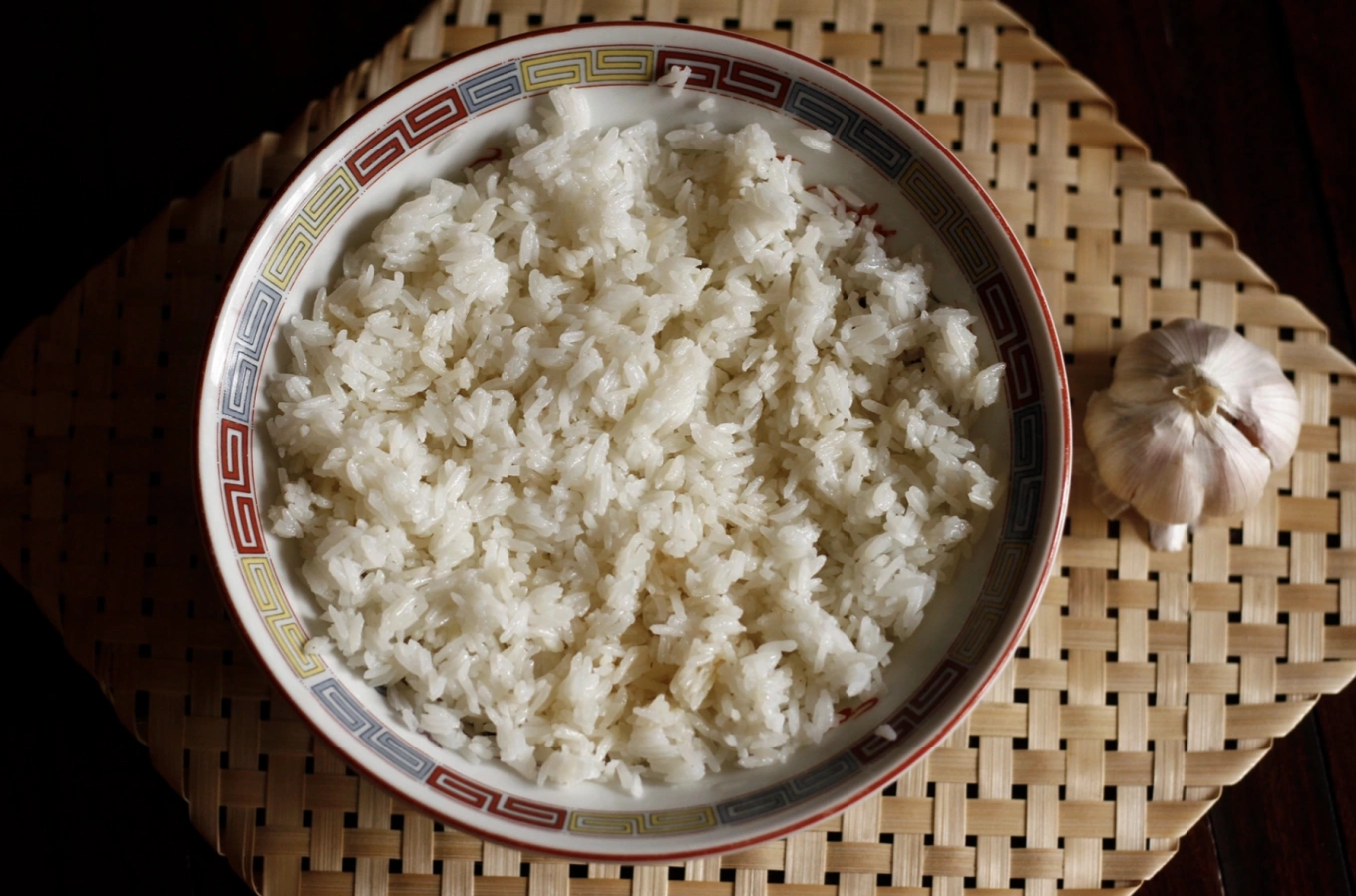 |
Illustration: Bui Thuy |
Moreover, cooked rice left at room temperature for extended periods fosters bacterial growth, producing toxins that lead to food poisoning. Symptoms include vomiting within 1-6 hours or diarrhea 6-15 hours later. Reheating does not fully destroy many of these toxins, so warming rice again does not guarantee risk elimination.
Common unsafe practices, such as leaving cooked rice at room temperature for hours before refrigeration, repeated reheating, or thawing frozen rice at room temperature, elevate the risk of bacterial contamination.
Never consume cold rice that smells stale, unusual, sour, or shows signs of mold.
Doctor Le Thi Huong Giang
Head of the Department of Dietetics and Nutrition, Hospital 19-8 (Ministry of Public Security)