Master, Doctor Nguyen Anh Duy Tung, a specialist in nutrition and dietetics at Tam Anh General Clinic District 7, highlights that dried fish is often heavily salted for preservation, resulting in a high sodium content. When consumed, this sodium causes the body to retain water, increasing blood volume and pressure on blood vessel walls, which in turn raises blood pressure.
According to Doctor Tung, adults should consume less than 2,300 mg of sodium daily, with an ideal intake below 1,500 mg. However, 100 g of dried fish can contain thousands of mg of sodium, significantly exceeding these recommendations. Excessive sodium intake is particularly detrimental for older adults and individuals with high blood pressure or existing cardiovascular disease. Prolonged consumption of high-salt dried fish can increase the risk of coronary artery disease, heart failure, and stroke.
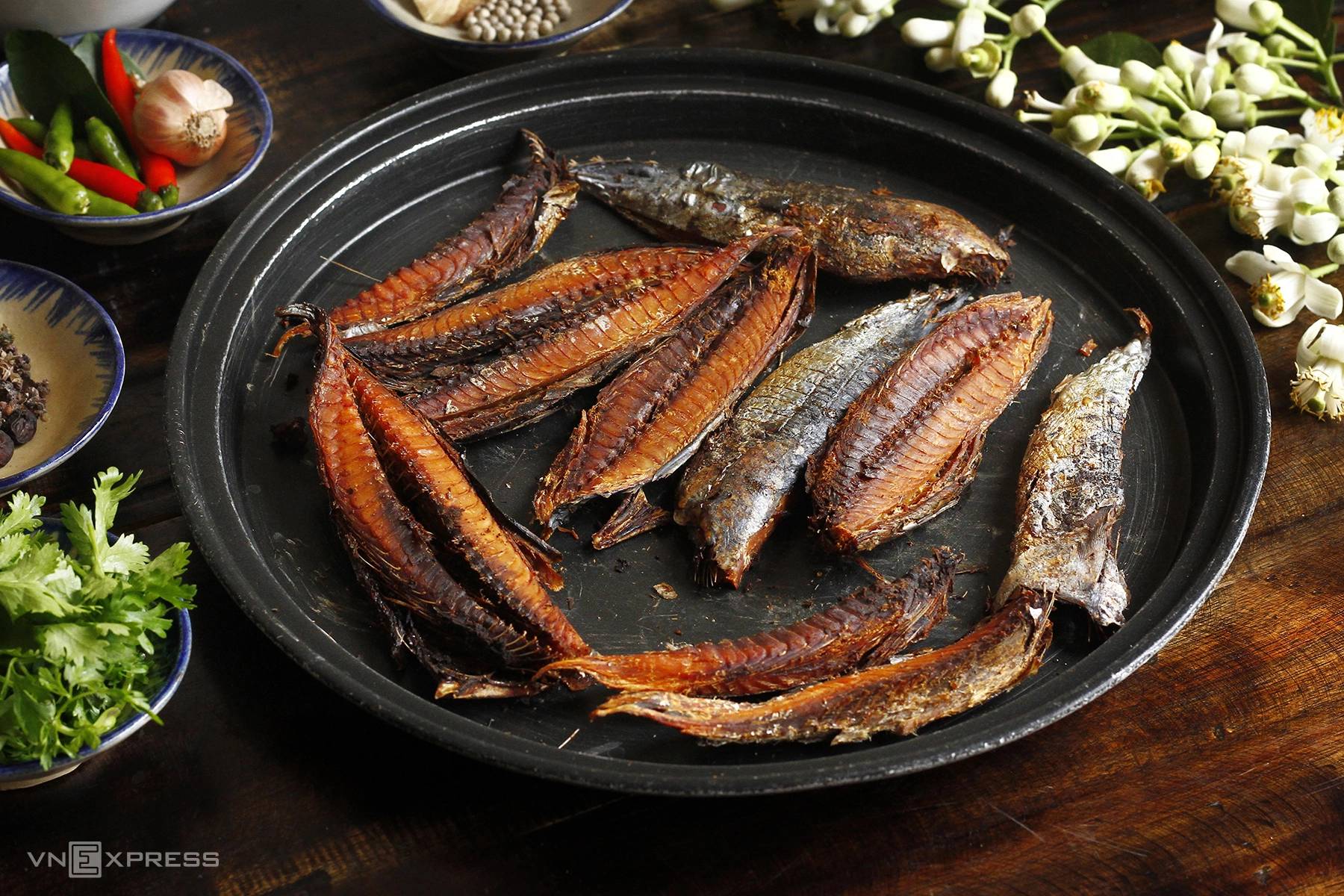 |
Eating too much heavily salted dried fish is detrimental to cardiovascular health. Photo: Bui Thuy |
Beyond high salt content, some dried fish varieties also contain significant amounts of cholesterol and saturated fats, which are harmful to the cardiovascular system. Excess cholesterol can accumulate in artery walls, forming atherosclerotic plaques that narrow blood vessels and impede blood flow. Saturated fats also raise low-density lipoprotein (LDL) cholesterol in the blood, further increasing the risk of cardiovascular diseases.
While dried fish offers significant protein (45-60 g per 100 g) and some varieties like whole-bone anchovies provide calcium, phosphorus, and vitamin D for bone and joint health, these benefits must be weighed against its potential health risks, especially concerning cardiovascular health.
Doctor Tung advises choosing dried fish from clear sources, produced according to food safety standards. Consumers can soak dried fish in warm water or rice water for about 15-30 minutes, then rinse it thoroughly to reduce salt and impurities on the surface. Prioritize healthier cooking methods such as grilling, steaming, or stewing.
Even after preparation, dried fish still contains a notable amount of salt. Therefore, it should be consumed with plenty of green vegetables, vitamin-rich fruits, and other fiber-rich foods. After eating dried fish, it is important to drink enough water to help the body excrete excess salt. Individuals should consume dried fish in moderation, approximately 50-70 g per week. Older adults or those with cardiovascular conditions and high blood pressure should consult a doctor before consumption.
Individuals who regularly consume salty foods or those high in salt should monitor their cardiovascular health. If symptoms such as chest pain, shortness of breath, rapid heart rate, dizziness, fatigue, or excessive sweating appear, a visit to a cardiology specialist for examination is recommended. Patients should adhere to treatment, attend regular follow-ups, and maintain a healthy lifestyle. Supplementing with natural extracts like GDL-5 from South American sugarcane pollen can help regulate blood lipids, control high blood pressure, and reduce the risk of cardiovascular disease.
Quoc An
| Readers can submit nutrition questions here for doctor's answers |