Patients should avoid air travel for at least two weeks after sinus surgery due to the risks associated with cabin pressure changes and infection. Dr. Tran Thi Thuy Hang, Master of Science, Specialist Level II, Head of the Ear, Nose, and Throat Department at Tam Anh General Hospital, TP HCM, advises against flying during this initial period.
For Duy Manh, 55, from TP HCM, who recently underwent sinus surgery 7 days ago, flying is not recommended at this time. The average healing time for the surgical wound is approximately 3-4 weeks. Modern endoscopic sinus surgery is performed quickly with minimal blood loss, leading to rapid patient recovery. However, the sinuses are still vulnerable in the early stages.
Changes in cabin air pressure during takeoff and landing can directly impact the unhealed sinus cavity, potentially causing tears and bleeding at the surgical site. High pressure can also lead to ear fullness, sinus pain, and nasal congestion because the Eustachian tube and sinuses are not yet normal after surgery. On long-haul flights, pressure differences and thinner air increase the risk of blood clot formation, which can lead to arterial blockage. Additionally, an airplane cabin is an enclosed, crowded space, making recovering sinuses more susceptible to pathogens than usual, increasing the risk of respiratory infections and impacting the healing process.
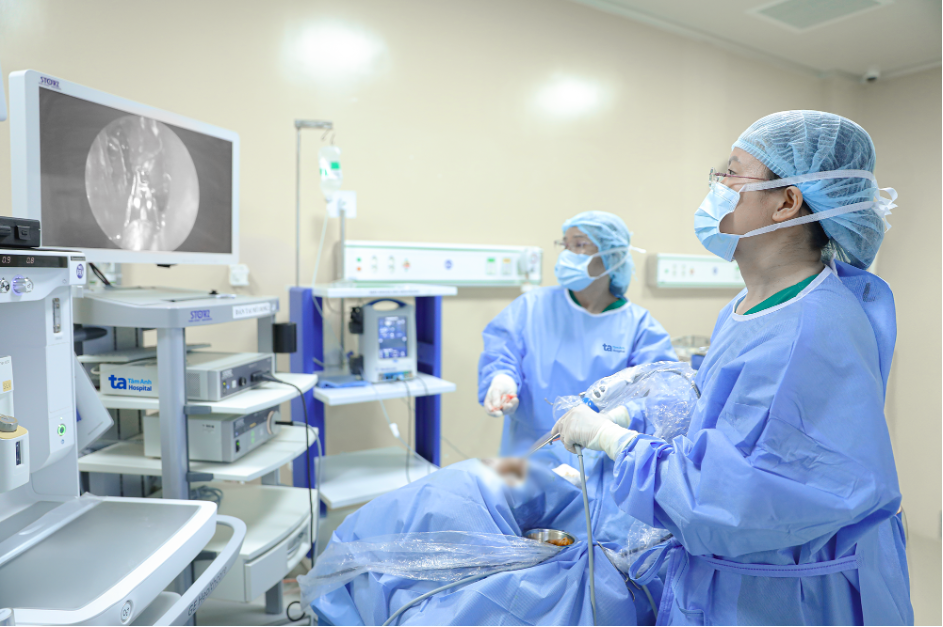 |
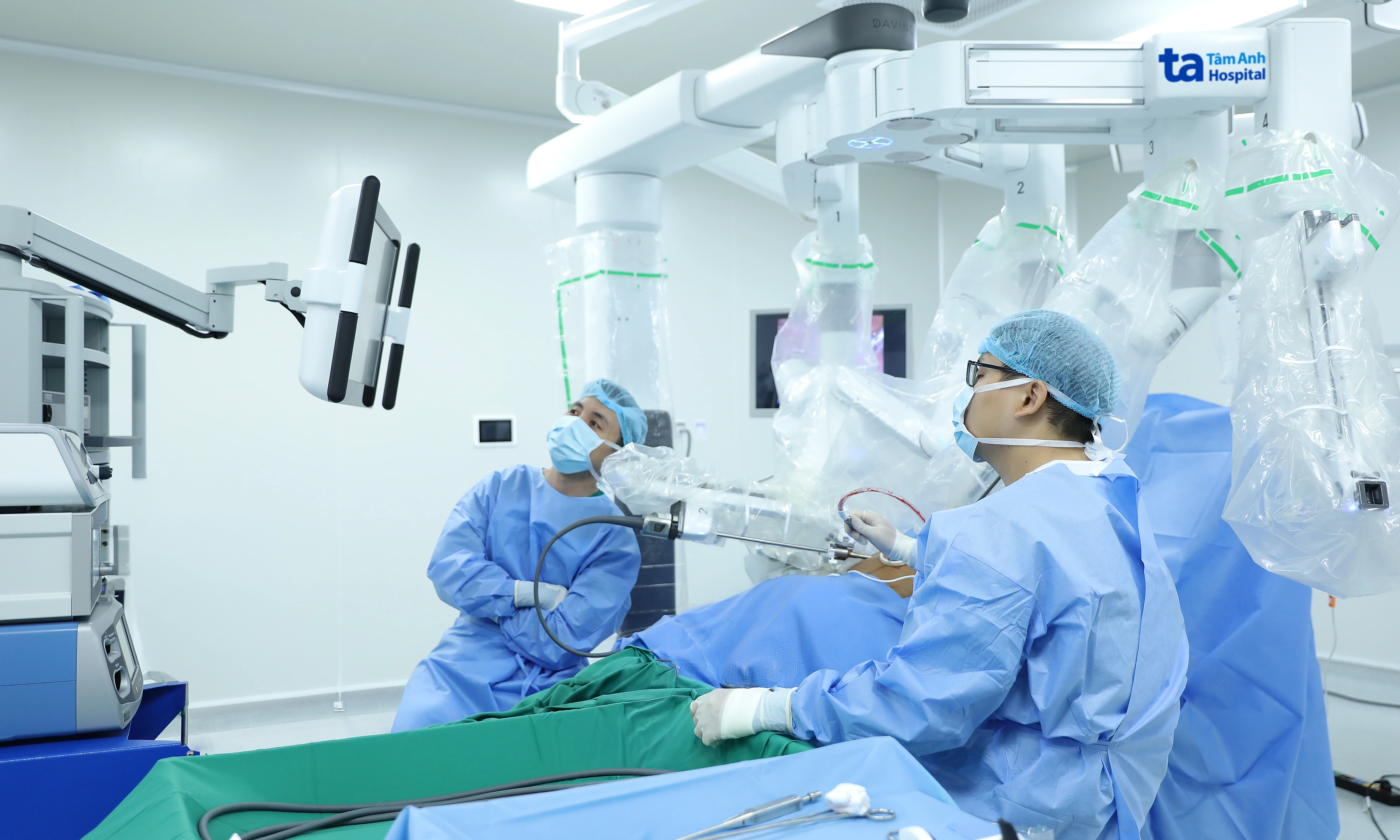
Doctor Hang performing sinus surgery on a patient. Illustration: Tam Anh General Hospital |
The specific recovery timeline varies depending on the extent of the surgery (simple endoscopic surgery versus extensive, deep sinus intervention) and each patient's healing rate. It is advisable to fly at least two weeks after surgery, provided there is no longer any bleeding or excessive discharge. Patients should have a follow-up appointment for the doctor to examine and confirm the surgical site is stable before travel.
Sinusitis is a condition where the mucous lining of the paranasal sinuses becomes inflamed, swollen, and blocked. Endoscopic sinus surgery is typically recommended for chronic, frequently recurring sinusitis that does not respond to medical treatment. Other indications for sinus surgery include: large nasal polyps, fungal or dental-related sinusitis, anatomical abnormalities (such as a deviated septum or enlarged turbinates), and sinusitis with eye complications.
In the initial days after surgery, patients should avoid bending forward, blowing their nose forcefully, lifting heavy objects, or strenuous activities. Patients should also avoid swimming and dusty environments until the 4th week post-surgery. Daily saline nasal sprays or a humidifier can help prevent the healing nasal lining from drying out.
Patients should drink enough water to thin mucus, avoid alcohol, caffeine, and spicy foods, attend scheduled follow-up appointments, take medication as prescribed, and wear a face mask when outdoors.
Dr. Tran Thi Thuy Hang, Master of Science, Specialist Level II
Head of the Ear, Nose, and Throat Department
Ear, Nose, and Throat Center
Tam Anh General Hospital, TP HCM
| Readers can ask questions about ear, nose, and throat conditions here for doctors to answer. |