Surgical removal of part or all of a lung is a primary treatment for various lung conditions, including cancer, lung tumors, fungal infections, severe lung infections, or chest trauma.
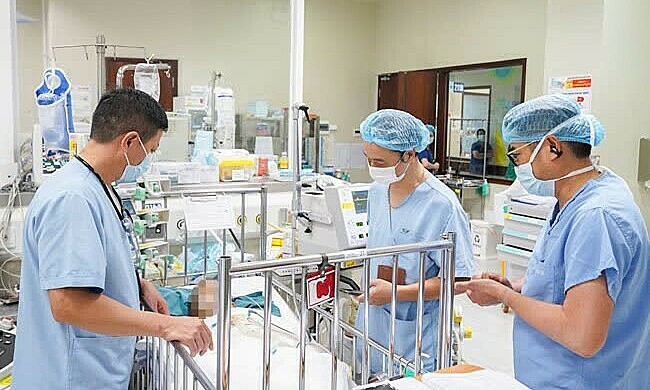
Master of Science, Doctor, Level I Specialist Nguyen Duc Nghia from the Thoracic - Vascular Surgery Center, Tam Anh General Hospital TP HCM, states that after surgery, a patient's body undergoes significant physiological and respiratory changes. Therefore, post-operative care and health monitoring are crucial for recovery speed, promoting good lung expansion, preventing lung collapse and infection, and accelerating wound healing.
Proper breathing and coughing exercises
Following lung surgery, patients often tend to breathe shallowly and avoid coughing, leading to mucus accumulation in the bronchi, which can result in lung collapse or pneumonia. Deep breathing and controlled coughing are top priorities during the post-operative period. Patients should use a spirometer and practice deep inhalations and slow exhalations as instructed by a rehabilitation therapist.
When coughing, patients should gently support the incision with their hands or a soft pillow to reduce pressure and pain. They should then cough forcefully to expel phlegm, allowing the alveoli to re-expand and improving oxygen exchange in the blood.
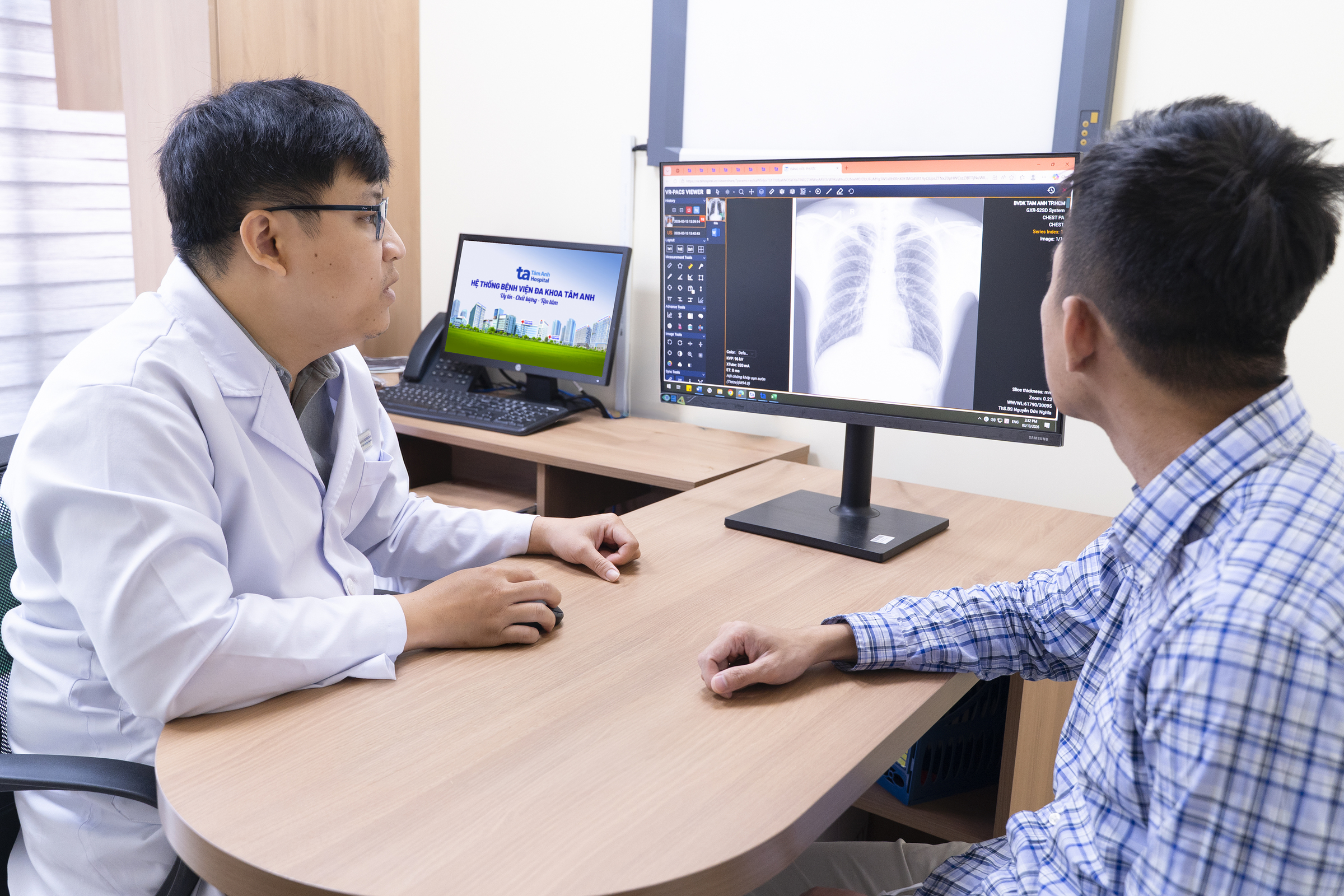 |
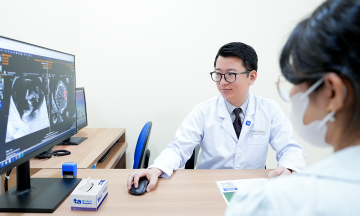
Doctor Duc Nghia advises patients on lung care after surgery. *Photo: Tam Anh General Hospital* |
Regular mobilization
Prolonged immobility after surgery increases the risk of deep vein blood clot formation, potentially leading to dangerous pulmonary embolism. Mobilization enhances blood circulation, stimulates bowel movements, and helps the body regain stamina sooner.
Post-surgery, patients should begin gentle bedside movements such as turning over, flexing and extending limbs, and sitting up with back support. In the following days, patients may need to practice light walking within their capabilities.
Adequate and varied nutrition
The body requires substantial nutrition after surgery for wound healing and lung tissue regeneration. Patients should maintain a nutritious diet with diverse food groups, including ample protein from lean meat, fish, eggs, milk, and legumes to support the recovery of damaged tissues.
Supplementing with vitamins and minerals from green vegetables and fresh fruits boosts immunity, combats inflammation, and prevents constipation. Patients should limit oily, spicy, and salty foods and absolutely avoid smoking or using stimulants.
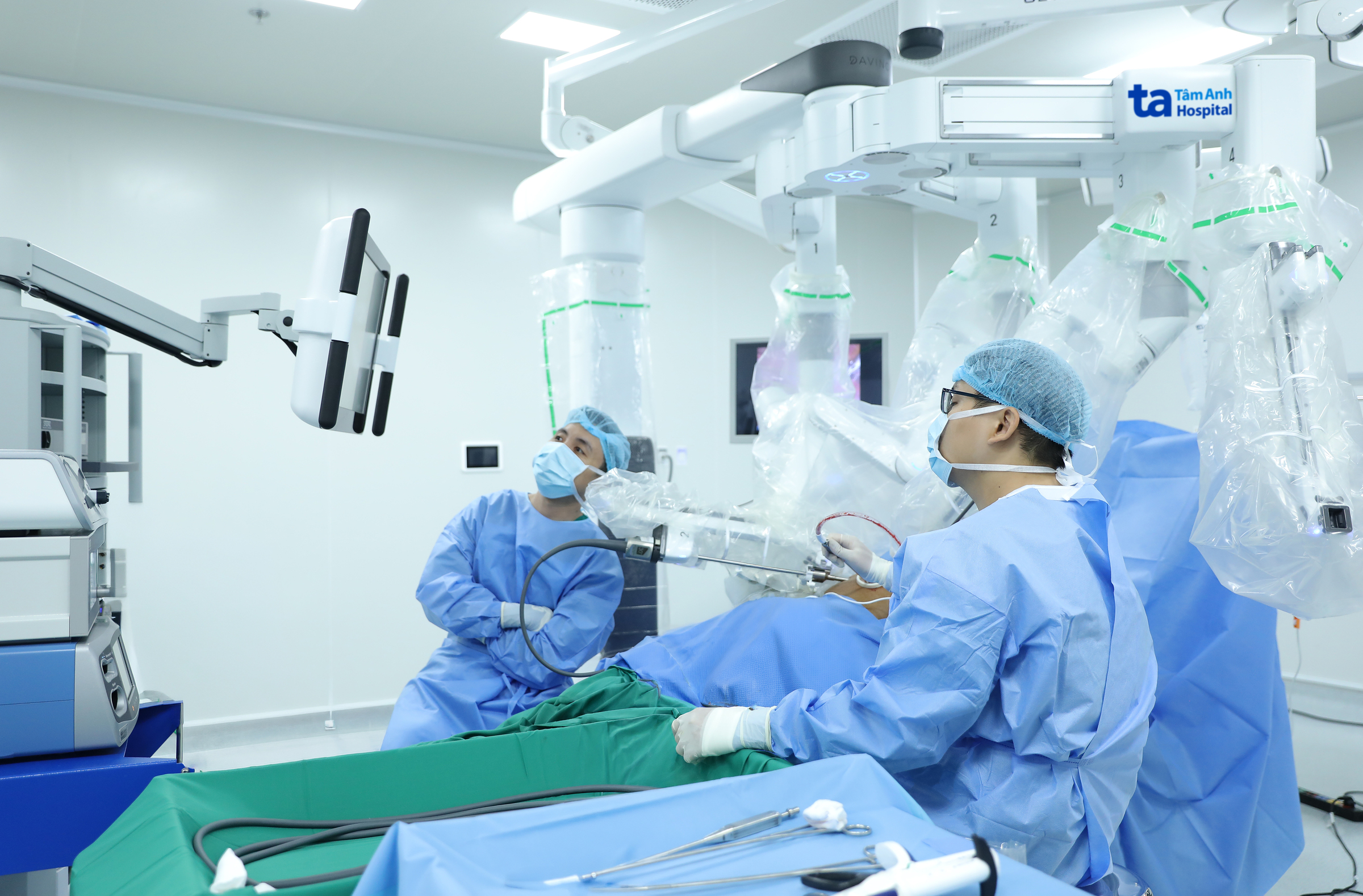 |
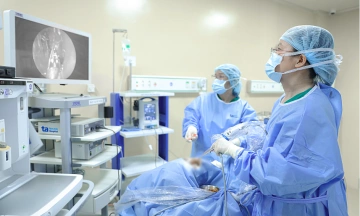
The Da Vinci Xi robot facilitates lung surgery with less pain and blood loss, leading to faster patient recovery. *Photo: Tam Anh General Hospital* |
Incision care
Chest or laparoscopic incisions must be kept dry and clean, following healthcare staff's dressing change instructions. Patients should not apply leaves or folk remedies to the wound independently to avoid infection risks.
When bathing, avoid directly wetting the incision area until the wound is fully healed. Patients should also wear loose-fitting clothing made of soft, sweat-absorbent materials to prevent friction and irritation in the chest area.
Doctor Nghia advises patients to monitor their health status after surgery. If abnormal signs appear, such as increasing shortness of breath, severe chest pain, coughing up blood, high fever, or a swollen, red, or pus-discharging incision, patients must seek immediate medical attention for examination and treatment. Patients should adhere to prescribed medications and not stop taking them prematurely or purchase non-prescribed drugs, as this helps reduce the risk of drug resistance or recurrent infections.
Bao Anh
| Readers can submit questions about cancer here for doctors to answer. |