 |
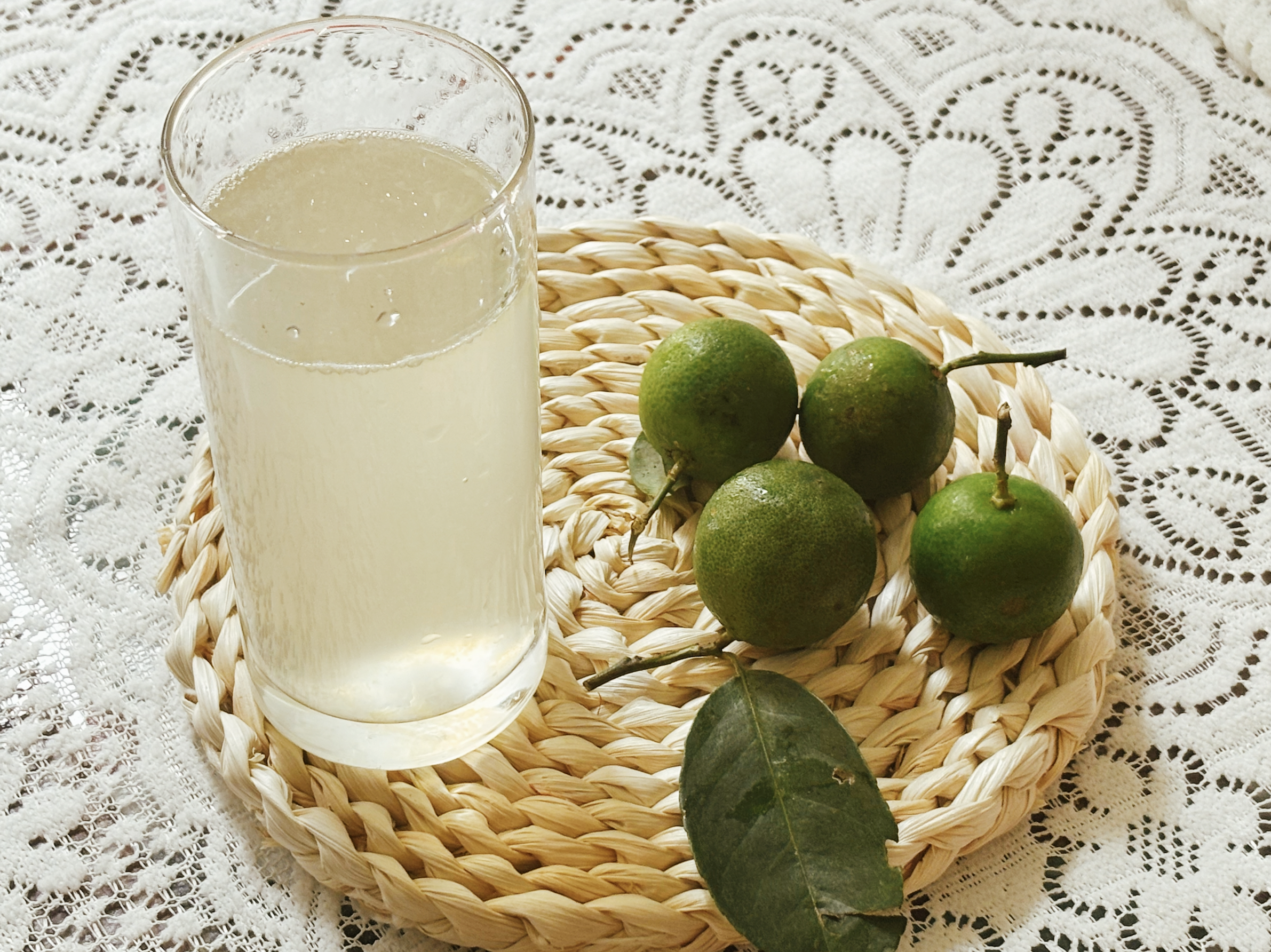
Oranges and lemons are rich in vitamin C, a nutrient that can help reduce uric acid levels in the blood. You can consume whole oranges or use lemons to enhance the flavor of your drinks. However, lemon water does not replace prescribed medication for high uric acid. |
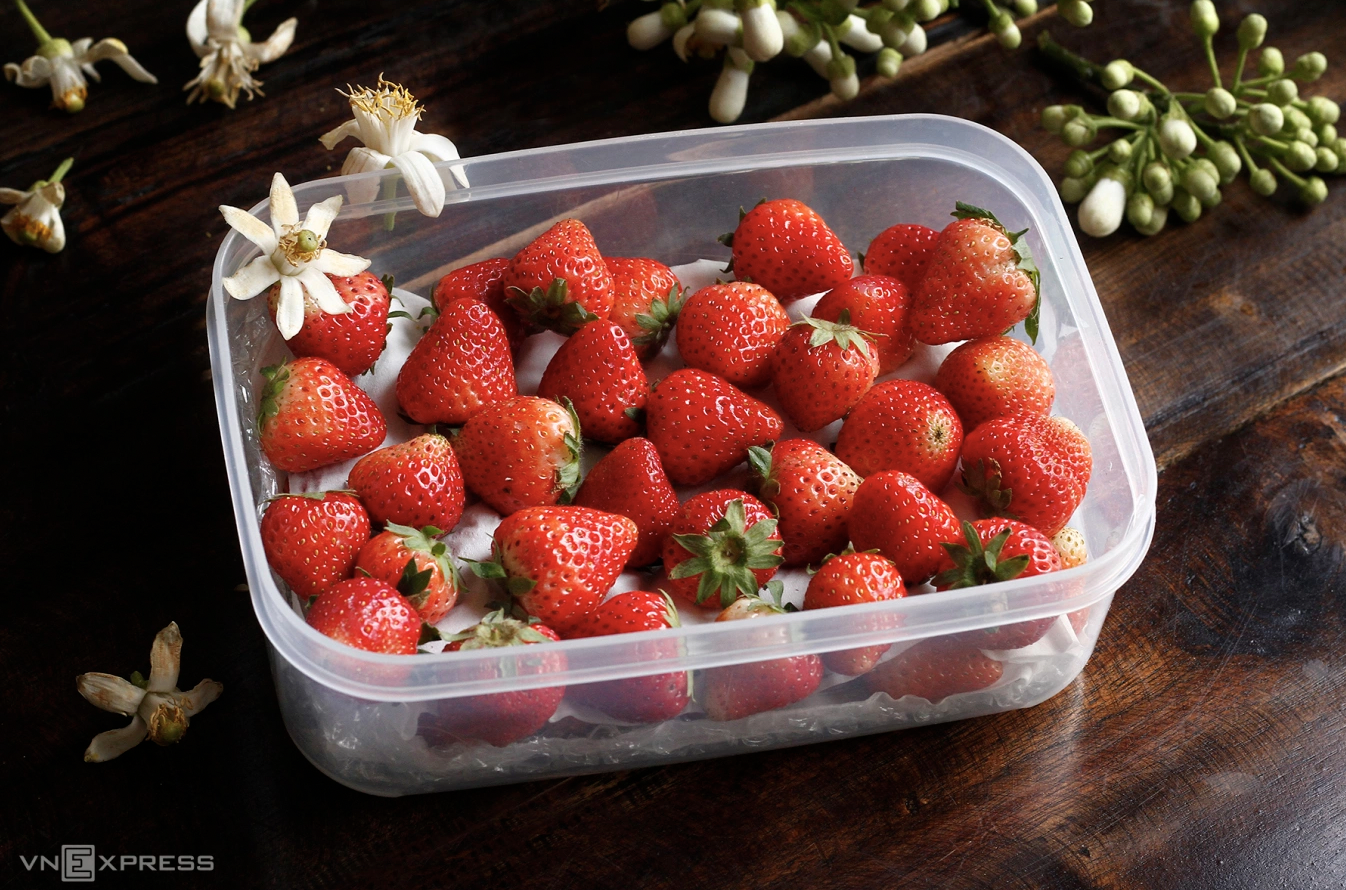 |
Strawberries and blueberries are not only delicious but also abundant in antioxidants, vitamin C, and polyphenols. These compounds may help lower the risk of high uric acid while offering anti-inflammatory support. The high water content in these berries also helps hydrate the body, assisting the kidneys in excreting waste products. You can incorporate berries into breakfast yogurt, smoothies, or fruit salads. |
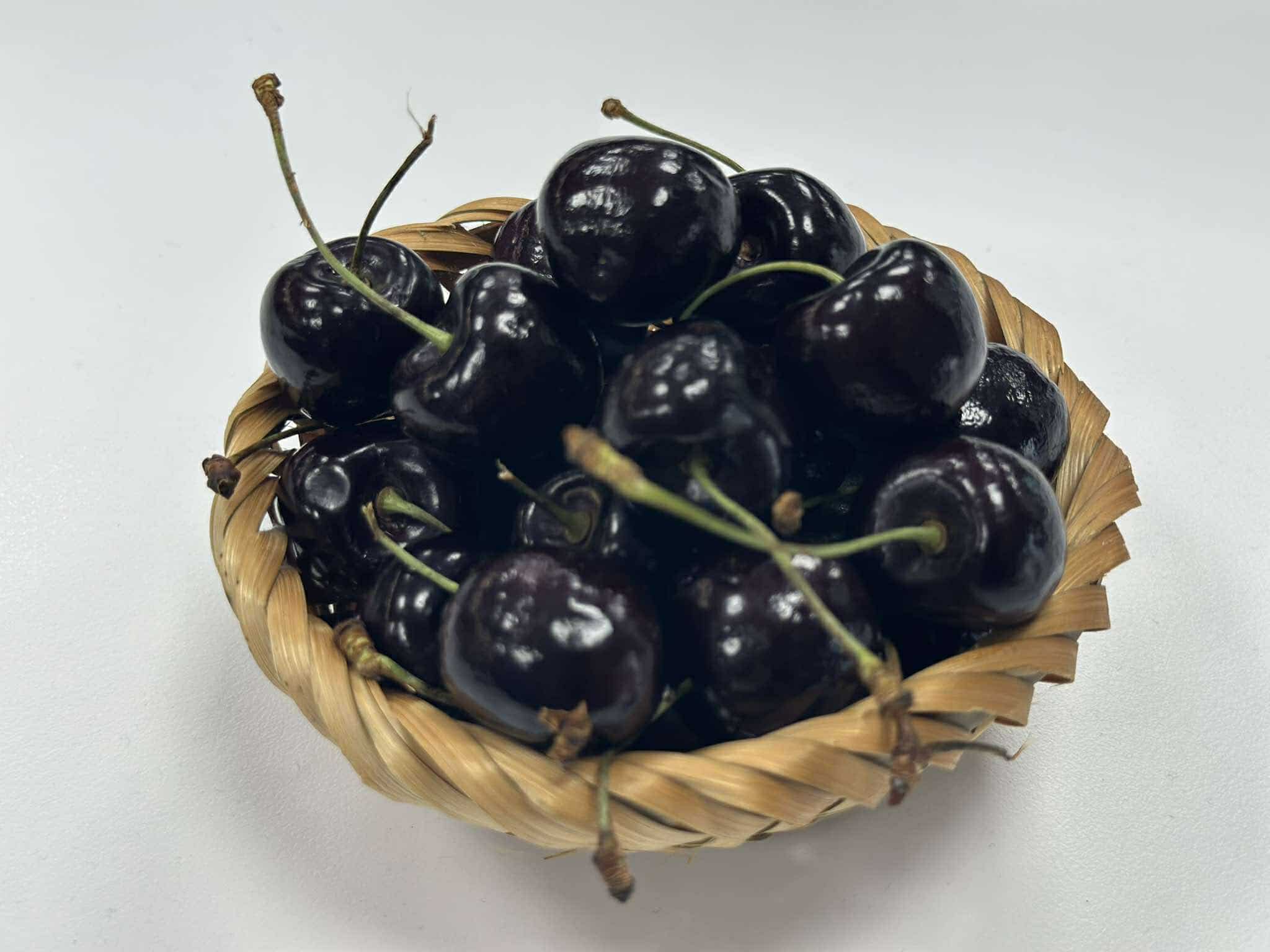 |
Cherries are rich in anthocyanins, antioxidants with anti-inflammatory properties that may contribute to reducing uric acid levels. They can be eaten fresh or consumed frozen without added sugar. However, cherries do not replace medication for gout or elevated uric acid. |
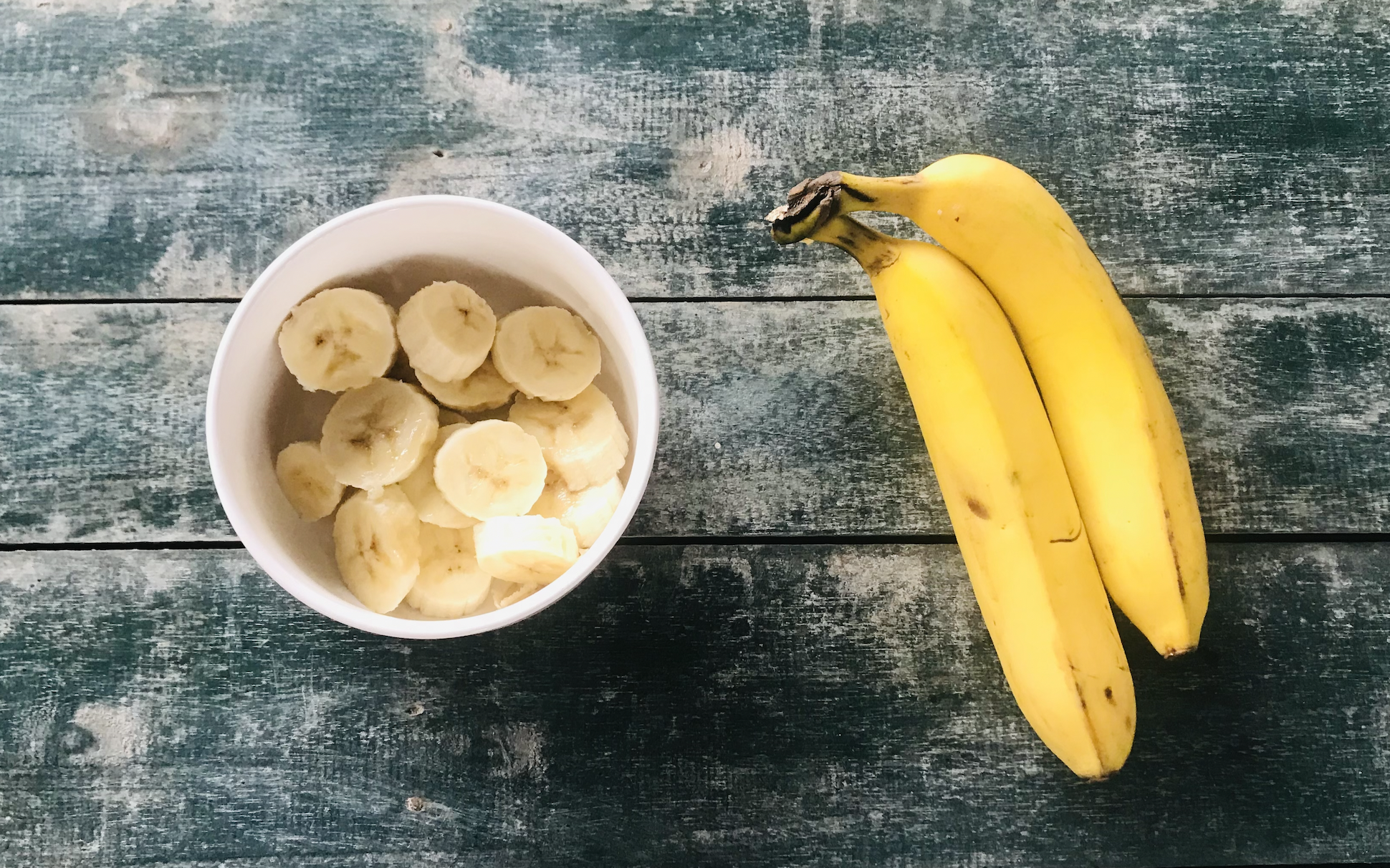 |
Bananas are a good source of potassium, which can support kidney function and the excretion of uric acid. This fruit also contains low levels of purines, compounds that break down into uric acid, making it suitable for individuals with gout or high uric acid. |
 |
Pineapple contains bromelain, an enzyme known for its natural anti-inflammatory properties, which can help alleviate pain and joint inflammation associated with gout. This fruit is also high in water content, contributing to fluid replenishment in the body. Eating whole pineapple helps retain its fiber content, unlike juicing. |
By Bao Bao (Compiled)
Photos: Bao Bao, Anh Ngoc