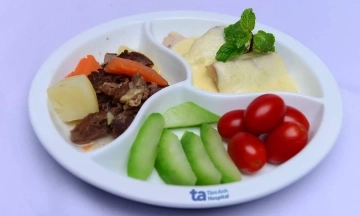
Nutritionist Bui Thi Phuong Linh, from the Endocrinology and Diabetes Unit at Tam Anh District 7 General Clinic, explains that the sequence in which food groups are consumed can impact the body's glucose and insulin response.
When carbohydrate-rich foods like rice, noodles, pho, or bread are eaten first, the body absorbs sugar more quickly into the bloodstream. Conversely, consuming vegetables and lean protein first promotes prolonged fullness and a gradual rise in post-meal blood sugar.
This eating order, starting with vegetables and protein, can help you feel full sooner, reducing the amount of rice or other starchy foods consumed during a meal. Sustaining this practice helps control portion sizes, reduces overall calorie intake, and supports weight loss.
Alongside adhering to the vegetable-protein-carbohydrate eating order, nutritionist Phuong Linh advises on food choices that minimally impact blood sugar levels and prevent excess fat storage.
Vegetables provide fiber, vitamins, minerals, and beneficial plant compounds, which slow carbohydrate digestion and absorption. Prioritize non-starchy vegetables such as: cabbage, broccoli, asparagus, chayote, and water spinach.
Protein should be added after consuming vegetables. Good protein sources include: fish, skinless poultry, lean beef or pork, eggs, tofu, and legumes. Protein increases satiety and influences gastric emptying rates and gut hormones. These foods also have a low glycemic index, minimally impacting post-meal blood sugar.
Individuals aiming for weight loss should prioritize protein low in saturated fat and limit processed meats and oily fried dishes. Nutritionist Phuong Linh emphasizes balancing protein calories. Consuming excessive protein can lead to energy surplus and weight gain.
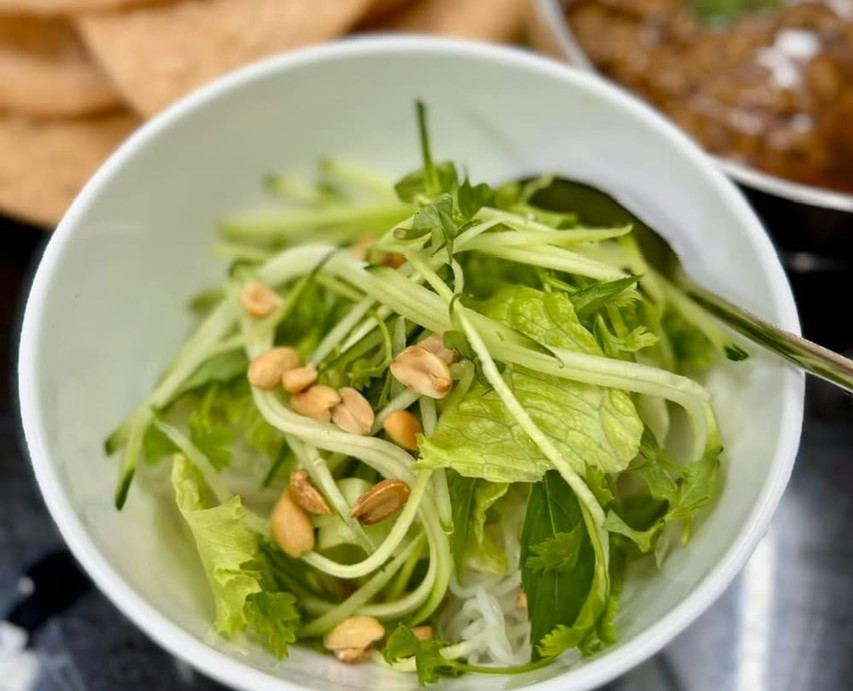 |
Eating vegetables before protein and carbohydrates can control blood sugar and support weight loss. *Photo: Duc Hanh*
Carbohydrate-rich foods should be consumed last in a meal, in appropriate portions. For weight loss, incorporate complex, fiber-rich carbohydrates such as: whole grains, legumes, potatoes, oats, and corn, while limiting pastries, sweets, and sugary drinks.
While eating order supports weight loss, to enhance fat reduction and calorie burning, overweight individuals should ensure their total energy intake is less than their energy expenditure, get adequate sleep, and maintain at least 30 minutes of daily physical activity. For those struggling with weight loss or having underlying health conditions, seeking medical consultation for appropriate and safe treatment is recommended.
Duc Hanh
| Readers can submit questions about endocrine diseases here for a doctor's response. |