Obesity in pregnant women (body mass index ≥30) significantly increases health risks for both mother and baby. Expectant mothers with obesity face a 2-4 times higher risk of gestational diabetes and 2-3 times higher rates of hypertension and preeclampsia compared to those with a normal weight. Additionally, obesity elevates the likelihood of cesarean delivery, wound infection, postpartum hemorrhage, postpartum deep vein thrombosis, and sleep apnea. For the baby, the mother's metabolic disorders can lead to macrosomia and increased birth trauma. Newborns may experience neonatal hypoglycemia and respiratory distress. In the long term, these children also have a higher risk of developing obesity and metabolic syndrome in adulthood.
Despite these risks, obese pregnant women should not diet for weight loss. Instead, the focus should be on optimizing diet quality and managing appropriate weight gain. The American College of Obstetricians and Gynecologists (ACOG) recommends a total weight gain of 5-9 kg throughout pregnancy for this group, combined with at least 150 minutes of light exercise per week.
Prioritize high-quality protein sources such as lean meats (chicken, beef), fish, eggs, tofu, and nuts. Protein aids fetal development and helps mothers feel full longer. Replace refined carbohydrates like white rice and white bread with slow-release carbohydrates such as brown rice, sweet potatoes, and whole-wheat bread to maintain stable blood sugar levels.
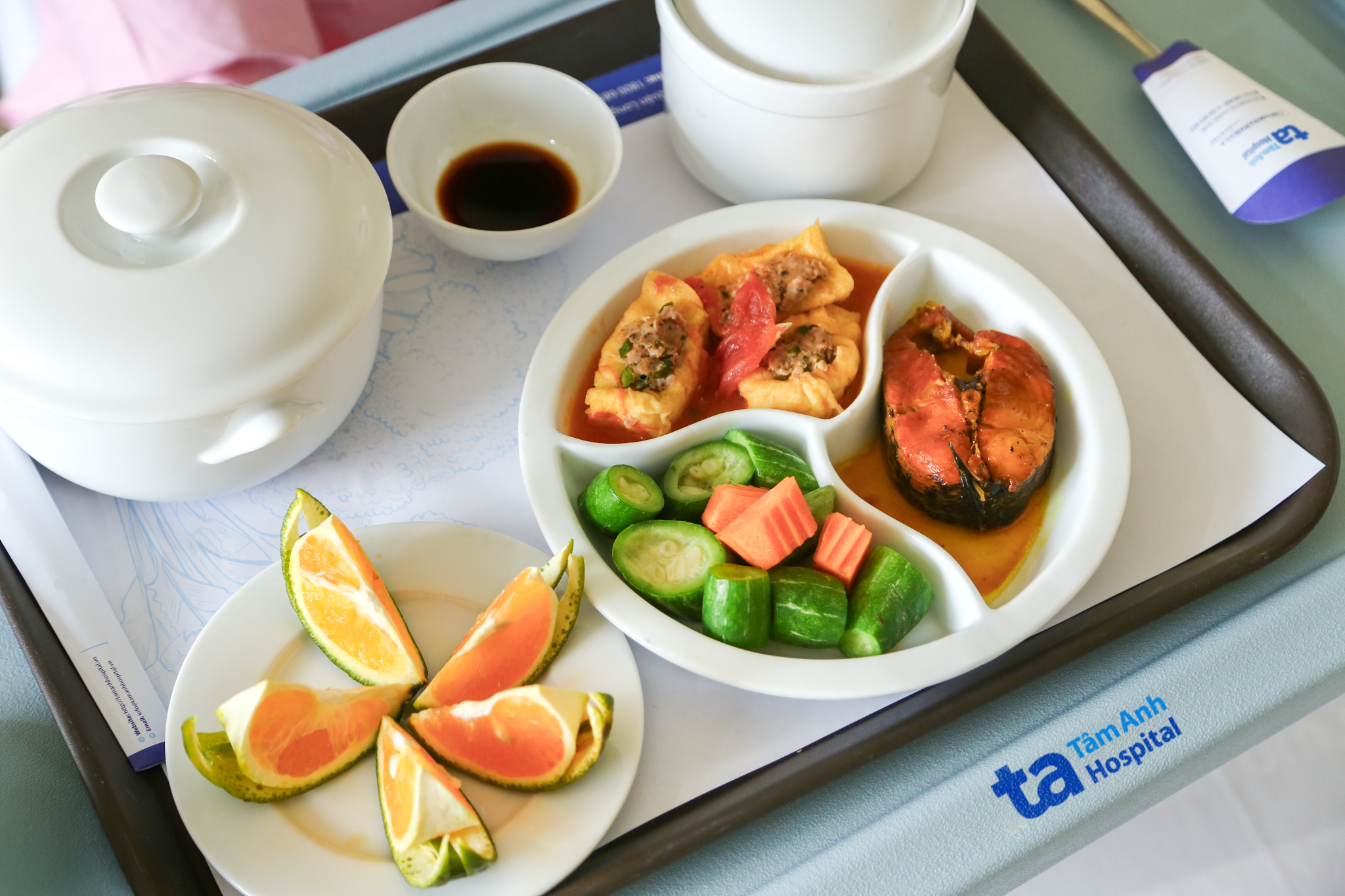 |
Obese expectant mothers should supplement protein from fish and tofu, and increase green vegetables and fruits. Photo: Tam Anh General Hospital |
Expectant mothers should also increase their intake of fiber and minerals from green vegetables and low-sugar fruits, including guava, apples, grapefruit, and strawberries. Avoid carbonated drinks, milk tea, and fast food. Limit fried and stir-fried dishes, opting instead for healthier cooking methods like steaming or boiling. Divide daily meals into 5-6 smaller portions to prevent sudden blood sugar spikes after eating. Additionally, engage in suitable exercises such as walking, swimming, cycling, or yoga to help manage weight.
As a pregnant woman with grade two obesity, you are in a high-risk group and require close monitoring. Your doctor may recommend early blood sugar testing between weeks 11-13. If results are normal, re-testing will be necessary between weeks 24-28. For those at high risk of preeclampsia, doctors may prescribe Aspirin as a preventive measure.
Throughout pregnancy, regular ultrasounds are crucial for accurately assessing fetal weight, amniotic fluid volume, and overall development, minimizing the risk of macrosomia or intrauterine growth restriction. To ensure the safety of both mother and baby, early consultation with a doctor is advised for a comprehensive assessment and a tailored pregnancy monitoring plan. Managing high-risk pregnancies due to obesity often involves a coordinated approach from a multidisciplinary team of specialists.
Doctor Nguyen Hoang Long
Fetal Medicine Unit
Tam Anh General Clinic District 7
| Readers can submit questions about obstetrics and gynecology here for doctors to answer. |