Master, Doctor Doan Vinh Binh, from the Center for Medical Information at Tam Anh General Hospital, Ho Chi Minh City (TP HCM), stated that fat tissues are not merely energy storage sites; they also function as an endocrine organ.
When visceral fat increases, the body produces more aromatase enzyme. This enzyme converts testosterone into estrogen. As a result, testosterone levels decline while estrogen levels rise. Consequently, obese men often experience prolonged fatigue, abdominal obesity, reduced libido, and erectile dysfunction.
A higher body mass index (BMI) correlates with a greater risk of testosterone deficiency and erectile dysfunction. According to Doctor Binh, reduced testosterone production directly impacts the vascular system, which is crucial for erectile function.
Erection relies on blood flow to the penis, primarily regulated by nitric oxide (NO). However, excess weight can trigger the release of inflammatory substances in the body, damaging blood vessel walls and reducing NO production. When blood flow decreases, the risk of erectile dysfunction significantly increases. Concurrently, associated conditions like hypertension, type 2 diabetes, and dyslipidemia further accelerate the decline in physiological function.
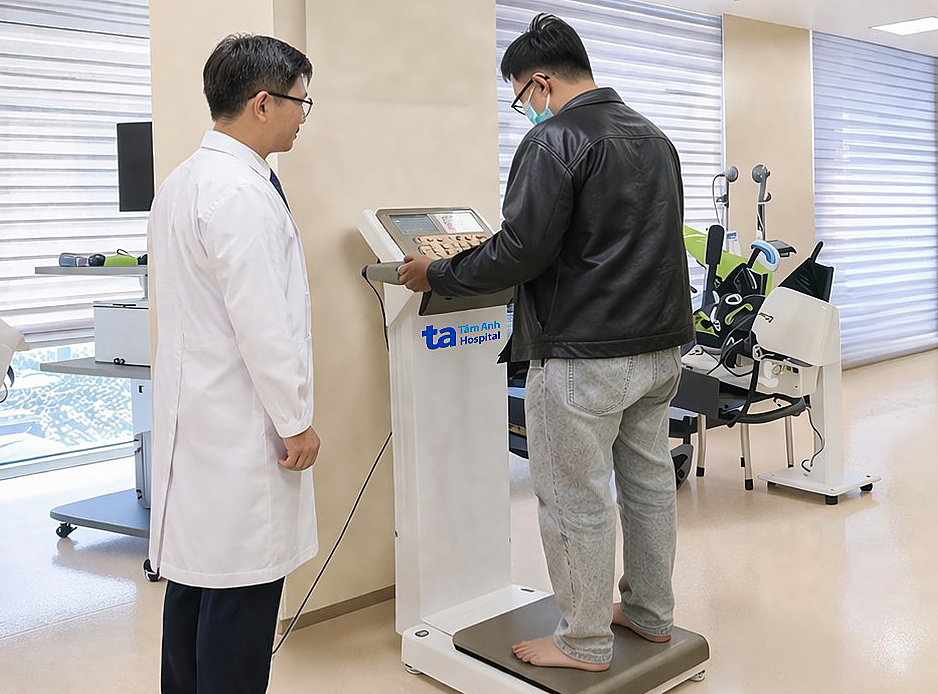 |
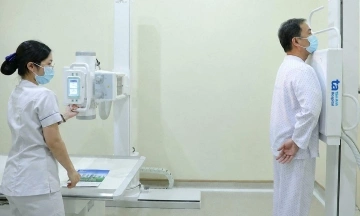
Men with excess weight undergoing examination and body composition measurement at Tam Anh General Hospital, Ho Chi Minh City. Photo: Hospital provided
Doctor Binh added that visceral fat also affects sperm quality and fertility. A meta-analysis published in 2021 in the Journal of Diabetology and Metabolic Syndrome, drawing data from 44 studies involving over 20,000 men, revealed that obesity reduces sperm count and motility, alongside lower testosterone concentrations. These factors negatively impact male natural fertility.
Obese individuals are also prone to sleep apnea syndrome and poor sleep quality. Testosterone is predominantly produced at night, especially during deep sleep stages. When sleep quality diminishes, testosterone levels can be affected.
Weight loss is an important measure to improve testosterone and physiological function in obese men. Men should prioritize reducing visceral fat, limiting sugar, alcohol, and processed foods, maintaining regular physical activity, and ensuring adequate sleep.
Depending on the individual case, doctors may prescribe weight loss medication or hormone therapy. Patients can also consider supplementing with natural essences like eurycoma longifolia, French maritime pine bark, and ocean oysters to support endogenous testosterone and NO production as needed, contributing to improved physiological function and overall health.
Maintaining a BMI between 18,5 and 22,9 can reduce the risk of metabolic disorders, testosterone deficiency, and other obesity-related male physiological issues. Overweight or obese men experiencing symptoms such as decreased libido, difficulty achieving an erection, prolonged fatigue, or difficulty conceiving should seek early medical consultation for appropriate advice and treatment.
Dinh Dieu