Hot weather creates favorable conditions for illnesses like diarrhea, myocardial infarction, and stroke, harming the heart and brain. Temperature fluctuations also heighten the risk of sudden hypertension. Specifically, blood vessels dilate outdoors in the sun but constrict rapidly when entering an air-conditioned room, posing health risks.
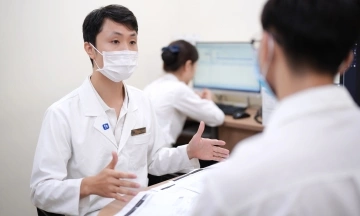
Doctor Huynh Hanh Nguyen, from the Department of Medical Examination at Hanoi Geriatric Hospital, states that hypertension is defined as a blood pressure of 140/90 mmHg or higher. If multiple measurements taken at different times show systolic blood pressure of 140 mmHg or higher and/or diastolic blood pressure of 90 mmHg or higher, you should seek medical attention for assessment and treatment advice.
Blood pressure involves two numbers: The top number is systolic blood pressure, representing the pressure when the heart contracts; the bottom number is diastolic blood pressure, representing the pressure when the heart rests. For example, a blood pressure of 120/80 mmHg means a systolic pressure of 120 and a diastolic pressure of 80.
For adults, including the elderly, blood pressure below 120/80 mmHg is generally considered ideal if the body tolerates it well, without unusual dizziness, lightheadedness, or fatigue. When blood pressure is between 120-129 mmHg and the lower number is below 80 mmHg, regular monitoring and lifestyle adjustments are necessary.
In older adults, hypertension can cause headaches, dizziness, a heavy head, blurred vision, palpitations, extreme fatigue, chest pain, or shortness of breath. Some cases show no clear symptoms until complications such as stroke, myocardial infarction, heart failure, or kidney failure occur.
To prevent the condition, individuals should monitor their blood pressure regularly, record the readings, and not stop medication without medical advice. If blood pressure is repeatedly 140/90 mmHg or higher, a medical examination is necessary. Blood pressure around 180/120 mmHg accompanied by chest pain, shortness of breath, weakness, speech difficulties, blurred vision, or severe headache requires emergency care.
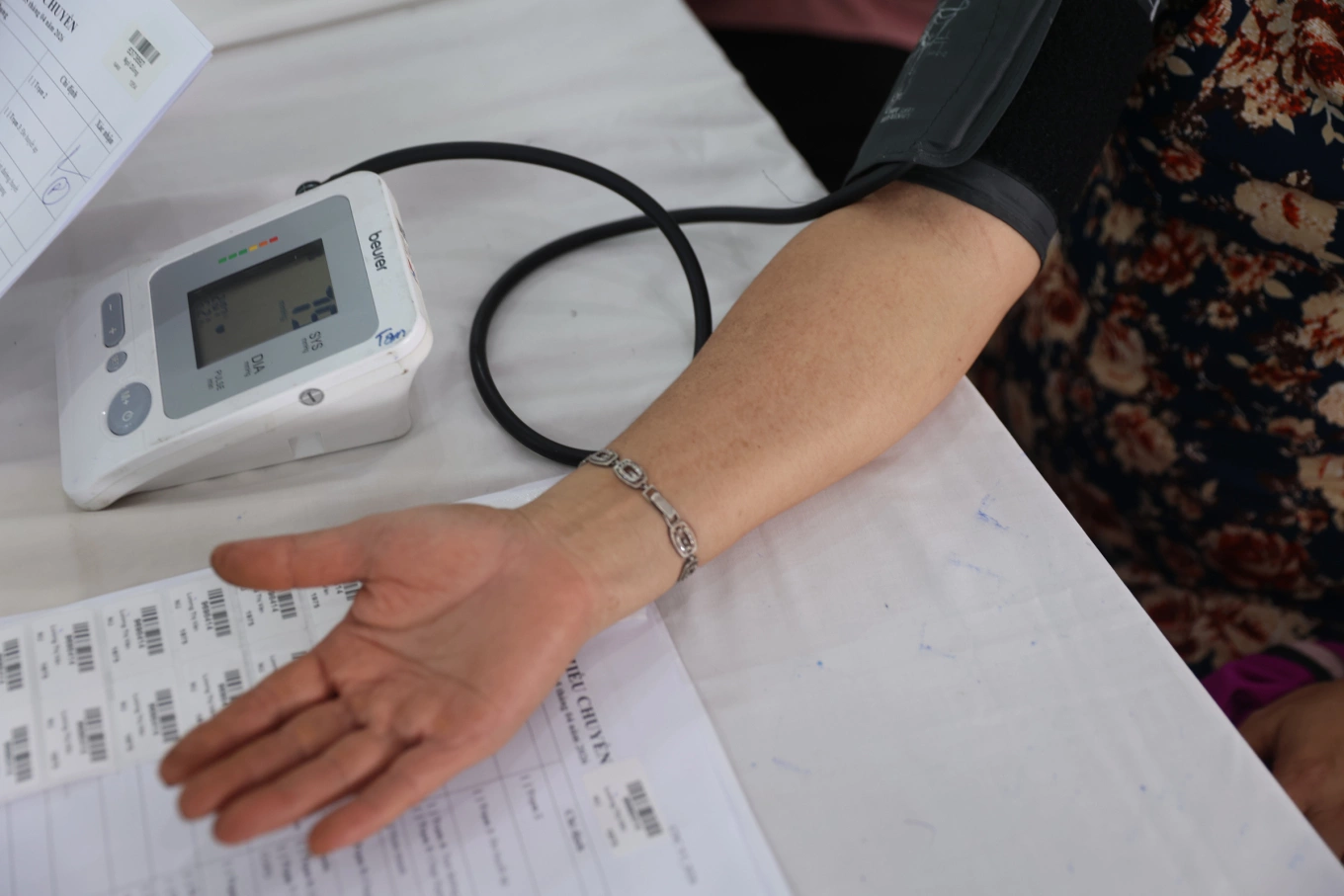 |
Residents have their blood pressure checked at Tang Nhon Phu ward health station, TP HCM, 4/2026. *Photo: Quynh Tran* |
The doctor provides instructions on how to safely monitor blood pressure at home:
During hot weather, individuals should drink water regularly, in small amounts throughout the day. Supplement with diluted electrolyte drinks if sweating heavily, but avoid overusing soft drinks and energy drinks. Limit outdoor exposure during hot weather.
Eat a balanced diet, reduce salt intake, and limit foods high in fat and sugar. Maintain appropriate physical activity for at least 30 minutes daily. Do not smoke, limit alcohol and stimulants. Maintain a relaxed mindset, get enough sleep, and manage stress.
If experiencing symptoms such as elevated body temperature, excessive sweating, rapid heartbeat, shortness of breath, dizziness, nausea, or headache, individuals should seek timely medical examination and treatment at a healthcare facility.
Hanoi and northern provinces are experiencing a peak heatwave, with daily temperatures consistently ranging from 38 to 40 degrees Celsius. Forecasts indicate that this intense and extremely intense heatwave will persist for at least another 48 hours.
Thuy An