Your level of worry about age can leave a mark on your body at a cellular level. A new study, published this March in the journal Psychoneuroendocrinology, reveals that anxiety about aging is a measurable and modifiable psychological factor that subtly shapes our aging biology.
The "epigenetic clock" and age anxiety
Researchers from New York University's (NYU) Global School of Public Health analyzed data from over 700 middle-aged women. Participants were asked about their concerns regarding the effects of aging on appearance, health, and fertility.
The research team compared this self-reported data with measures of biological age—the actual rate at which the body ages—using two types of "epigenetic clocks". The results indicated:
Individuals who expressed more worry about aging tended to age more quickly.
Specifically, the fear of declining health showed the strongest link to accelerated biological aging.
"Our study demonstrates that subjective experiences can influence objective indicators of aging," said Mariana Rodrigues, the lead author of the study at NYU. According to Rodrigues, age-related anxiety is not merely a psychological issue; it can leave physical marks on the body with real health consequences.
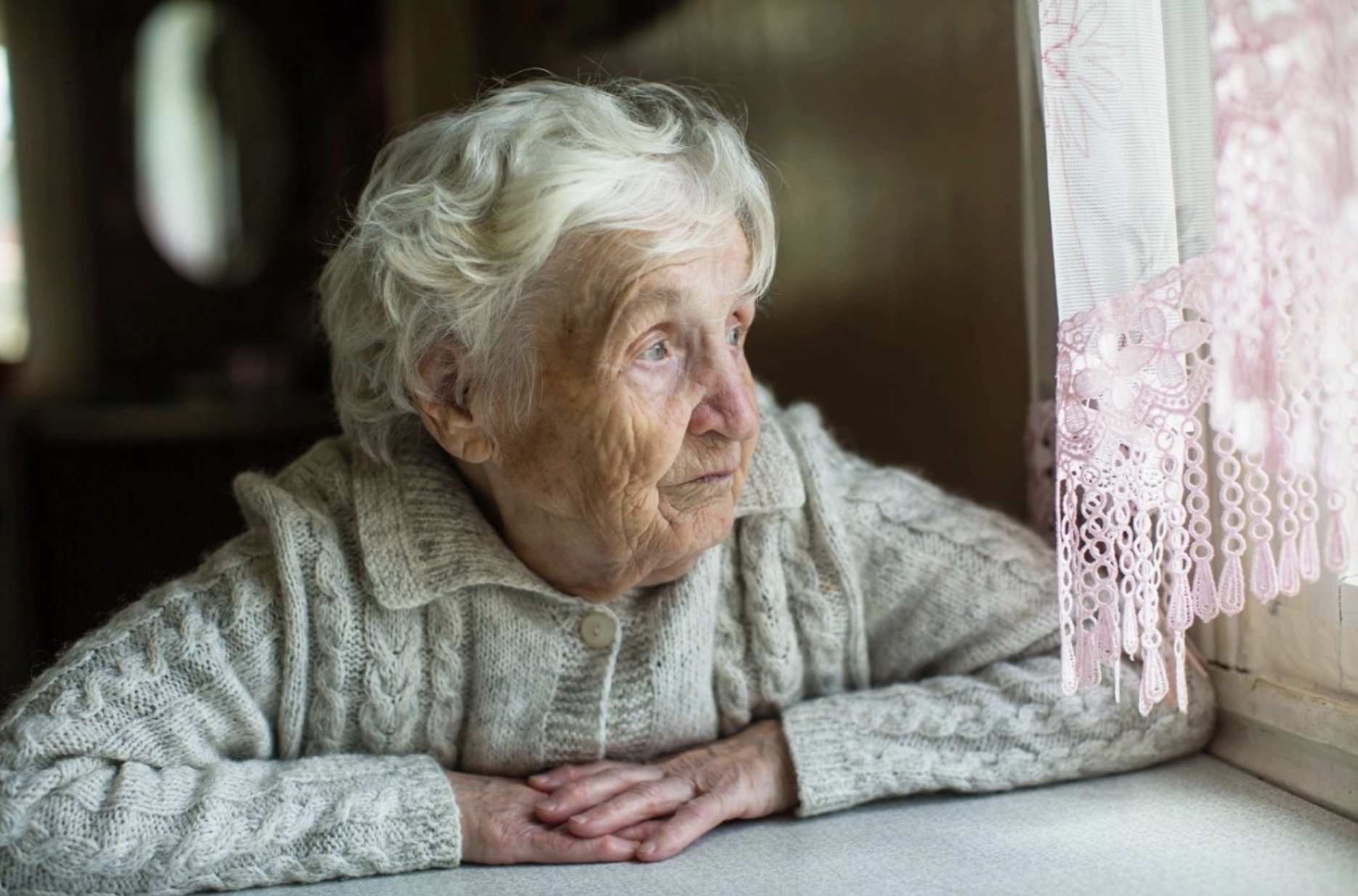 |
The extent of your worry about age can leave a mark on your body at a cellular level. *Illustration: De Visu*. |
Optimism can extend lifespan
This research further reinforces evidence regarding the impact of anxiety on older age. Previously, a 2002 study from Yale University by scientist Becca Levy indicated that individuals with a positive outlook on aging lived an average of 7,5 years longer than those with negative perceptions. Conversely, chronic stress stemming from anxiety and depression can increase the risk of cardiovascular diseases, leading to premature death.
The worry about old age inadvertently creates a state of prolonged stress, directly harming the body over time.
Pressure from societal stereotypes
The fear of aging is a natural response within a culture and industry that constantly seeks to profit from the idea of a "fountain of youth". Women are particularly vulnerable to the veneration of youthful appearance and the pressure of time, especially concerning reproductive matters.
"The beauty industry thus emerges to address women's 'problems'," shared Kari Molvar, author of *The New Beauty*. Societal ideals often link women's value to fertility and youth, inadvertently creating ageism.
Learning to "age gracefully"
Rather than avoiding reality, embracing aging does not mean ignoring challenges like caring for elderly parents or undergoing regular health screenings. Instead, we need to build resilience by:
Connecting with trusted communities.
Nurturing a clear sense of purpose.
Seeking out positive role models of individuals living happily in their later years.
Doctor Deepika Chopra, a behavioral scientist, emphasizes that true optimism is not about "sugarcoating" everything, but rather about resilience and curiosity.
Instead of fear, try to be curious about the joys that old age can bring—such as wisdom, serenity, or new experiences. This can not only improve your mood but also genuinely help your cells remain "younger" for longer.
My Y (Via Yahoo, Flow Space)