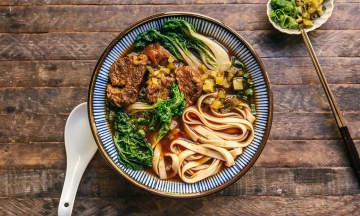
While some view breakfast as essential for daily energy, others opt to skip it, believing it aids digestion of evening meals and prevents fat accumulation. Ultimately, the decision often comes down to individual preference. However, if skipping breakfast leads to fatigue, poor concentration, or reduced productivity, it is not advisable. This practice might suit those with late sleep or wake-up schedules.
Skipping breakfast often results in insufficient energy, especially for men. The body requires 2,000 to 2,500 calories daily, with breakfast contributing 400 to 500 calories to replenish energy after a night's sleep. Omitting breakfast may lead to weight gain due to increased hunger and overeating later in the day. A large lunch consumed after skipping breakfast can also trigger digestive problems, including acid reflux, stomach pain, or gastric ulcers, by over-stimulating the digestive system.
Research published in the Journal of the American Academy of Nutrition and Dietetics in 2022 suggests that eating only one meal daily can elevate the risk of mortality for individuals aged 40 and above in the US. Furthermore, skipping either breakfast or dinner has been linked to an increased risk of cardiovascular disease. The study also found a higher all-cause mortality rate among those who consume two or three meals spaced less than 4,5 hours apart.
The European Journal of Preventive Cardiology additionally highlights that individuals who regularly skip breakfast and have late dinners face a 4-5 times higher risk of cardiovascular disease mortality compared to those without these habits. Skipping breakfast can also elevate cortisol levels, potentially leading to increased food cravings and diminished sleep quality.
Therefore, it is crucial to monitor your body's signals, ensuring adequate nutrition and combining it with regular exercise to maintain sufficient energy levels throughout the day.
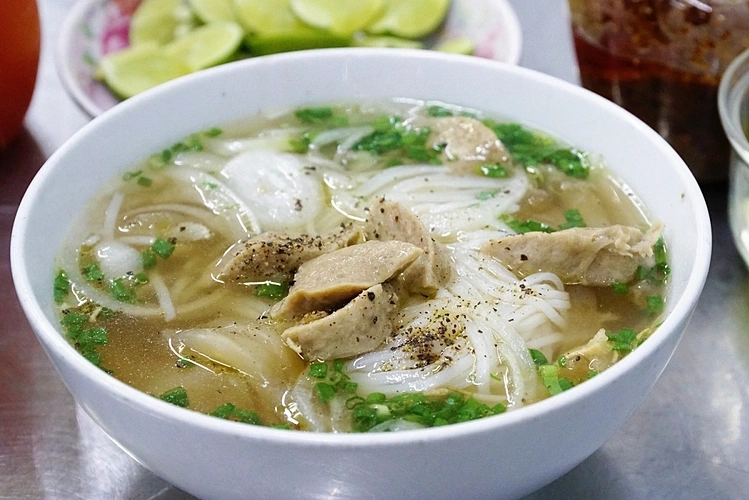 |
Illustrative photo: Di Vy |
Associate Professor, Dr. Nguyen Duy Thinh
Former staff member of the Institute of Biotechnology and Food Technology, Hanoi University of Science and Technology