Answer:
Not all water consumed is immediately expelled. A portion is used by the body for nourishment, while the excess is directed to the bladder for excretion. Some people drink a whole glass of water and don't feel the urge to urinate for a long time, while others feel it after just a few sips. This depends on whether the body is dehydrated or adequately hydrated, hot or cold weather, activity level, bladder capacity, and individual physical characteristics.
If you drink more water than usual, or if the weather is hot, causing you to sweat a lot, or if you have just exercised, you may urinate more frequently. In these cases, increased urination is usually a natural bodily response and should not cause undue concern.
If frequent urination persists or is accompanied by constant thirst, painful urination, frequent urges to urinate, blood in urine, lower back pain, weight loss, leg swelling, or fatigue, a medical examination is necessary for in-depth assessment. These symptoms can be linked to various conditions affecting the urinary tract, metabolic disorders, or kidney function.
Note that kidney health depends on many factors, including sleep, back and knee health, physical strength, the body's ability to retain warmth, and overall physical condition. Each individual has a different physical constitution, requiring a direct assessment to determine appropriate care.
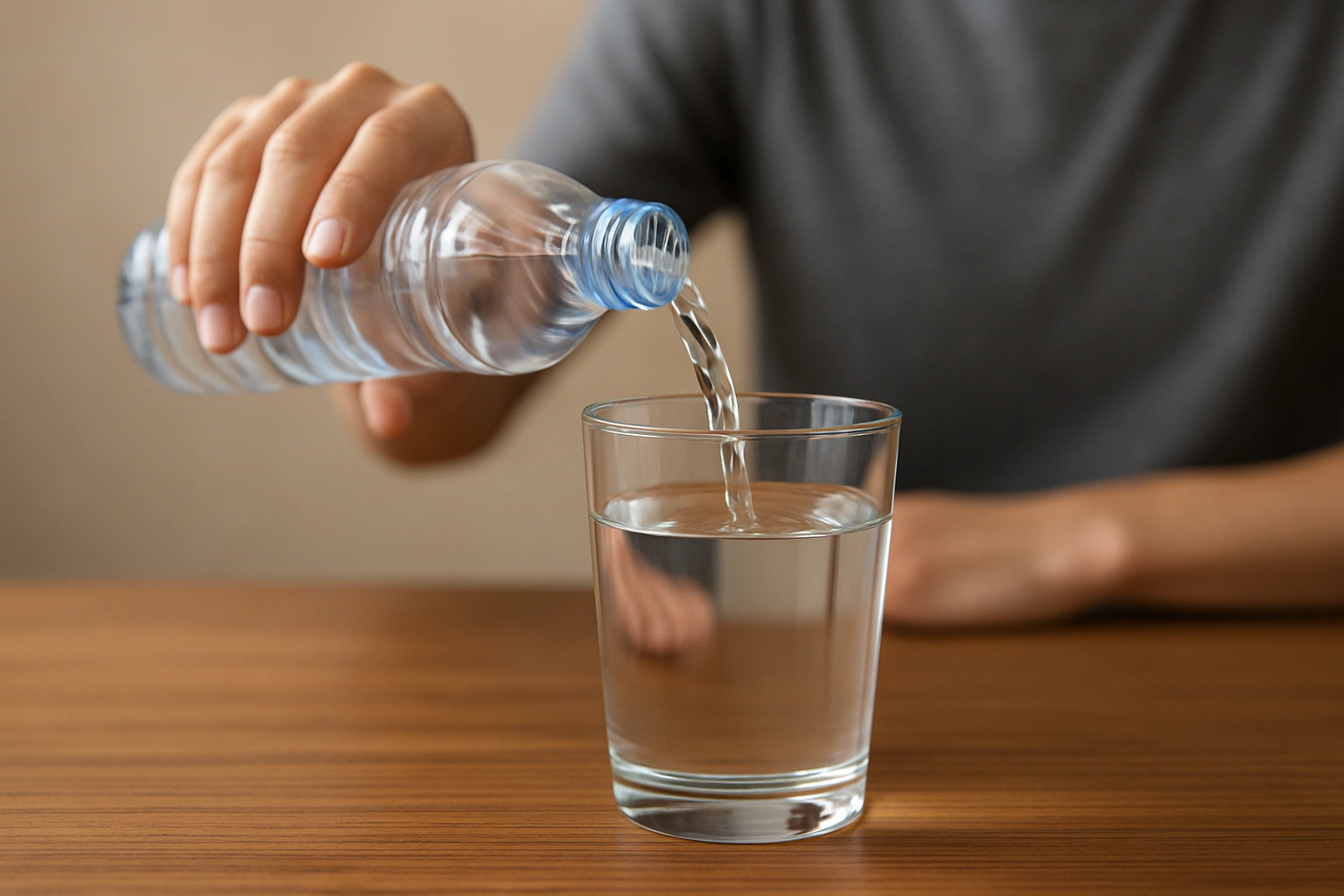 |
Drinking a lot of water close to bedtime can lead to nocturia and insomnia, indirectly affecting kidney function. Photo: AI |
The kidneys perform many vital roles in the body, such as filtering blood to remove toxins and excess water, and maintaining electrolyte balance. However, frequent urination can be caused by various factors, including: diabetes insipidus, diabetes, urinary tract infections, or irritation within the urinary tract.
In men, an enlarged prostate, and in women, cystitis or overactive bladder syndrome can also cause frequent urination.
Everyone should adopt a healthy lifestyle: eat a balanced diet, drink enough water, avoid salty foods, limit fast food and excessive alcohol consumption, and abstain from tobacco. Engage in daily physical exercise tailored to individual health conditions. Thoroughly treat acute illnesses such as respiratory infections, skin infections, or urinary tract infections.
Avoid indiscriminate use of medications, especially over-the-counter drugs and herbal remedies of unknown origin. Avoid stimulants (coffee, tea, alcohol, tobacco) in the evening, as they can cause nervous tension and insomnia.
It is advisable to proactively undergo regular health check-ups and kidney disease screenings at least once a year. If you experience suspicious signs or symptoms of kidney disease, such as: fatigue, paleness, poor appetite, nausea and vomiting, or urination disorders, seek medical examination.
Physician Do Minh Tuan
Vietnam Southern Medicine Association