Hair loss often occurs during periods of physical or psychological changes, and can be physiological or pathological. Physiological hair loss is part of the natural hair development cycle, while pathological hair loss may signal underlying health issues, including endocrine disorders.
Each hair strand undergoes a lifecycle with three stages: growth, regression, and shedding. On average, a person may lose about 50-100 hairs daily. This amount of hair loss does not affect overall hair density, as hair follicles continue to produce new hairs to replace them. This phenomenon can increase slightly during washing, brushing, weather changes, or short-term stress. A characteristic of physiological hair loss is that hair regrows normally, without causing noticeable thinning or visible scalp.
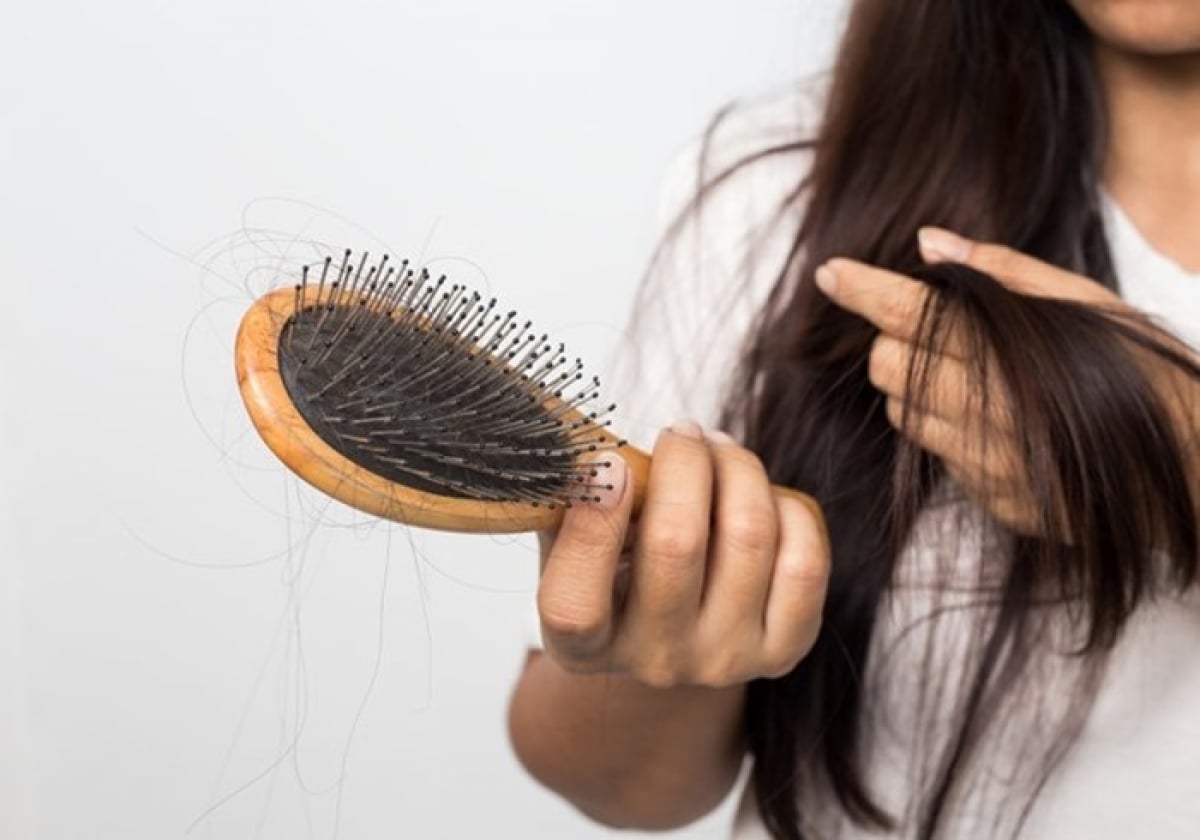 |
Hair loss is a physiological sign of the body. Photo: AI |
Pathological hair loss tends to be prolonged and worsen over time. Individuals may notice hair loss exceeding normal levels, more than 100-150 strands daily, persisting for weeks or months. Hair gradually thins, the part widens, or localized areas of hair loss appear.
In some cases, new hair growth is weak, thin, and brittle, insufficient to compensate for the lost hair. Symptoms such as fatigue, weight changes, dry or oily skin, and menstrual irregularities in women may accompany this condition.
Hypothyroidism can cause dry, brittle, and diffuse hair loss, while hyperthyroidism may lead to thinner hair and faster shedding than usual. Polycystic ovary syndrome (PCOS) is also a common cause of male-pattern hair loss, primarily affecting the crown of the head. Additionally, postpartum hormonal changes, chronic stress, or nutritional deficiencies can disrupt the hair development cycle.
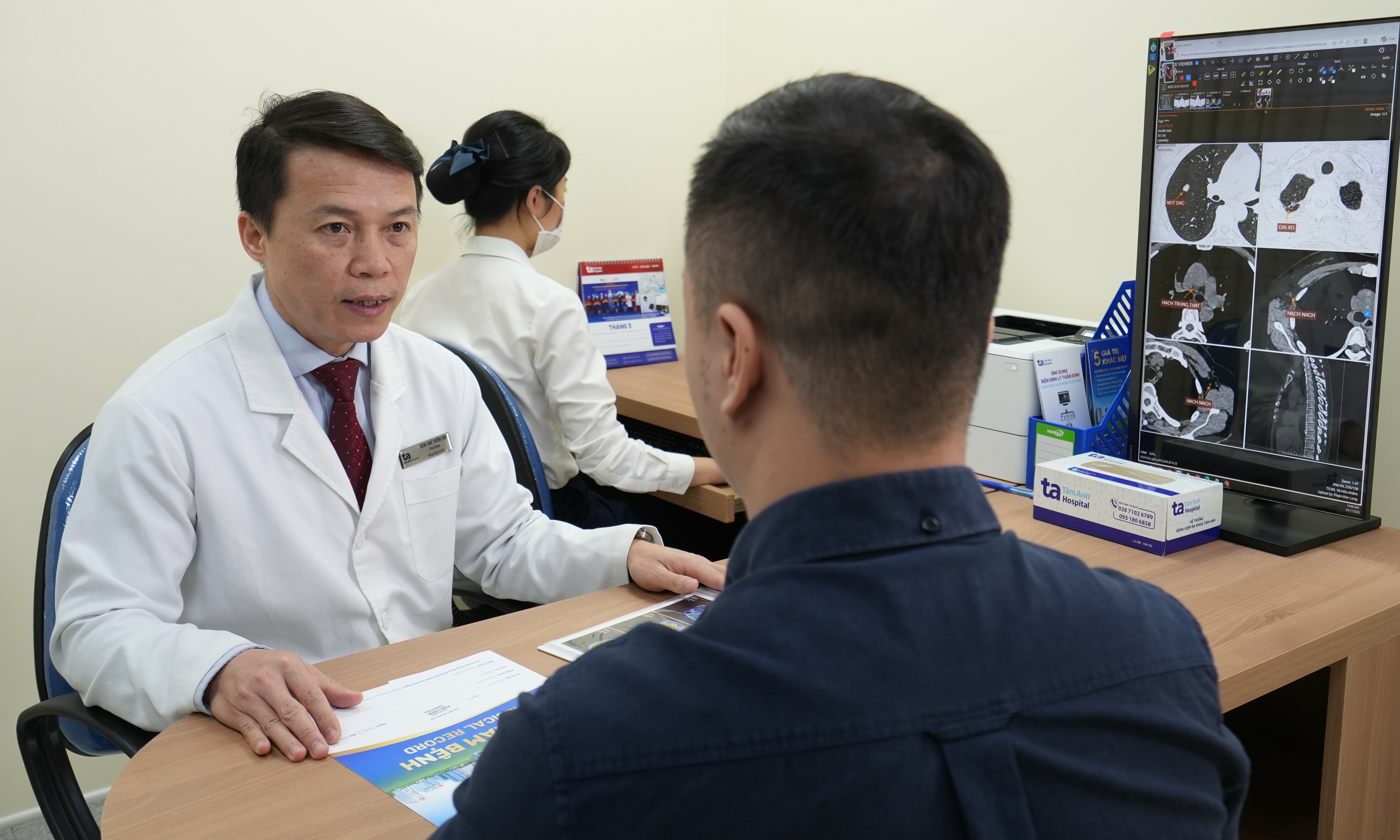
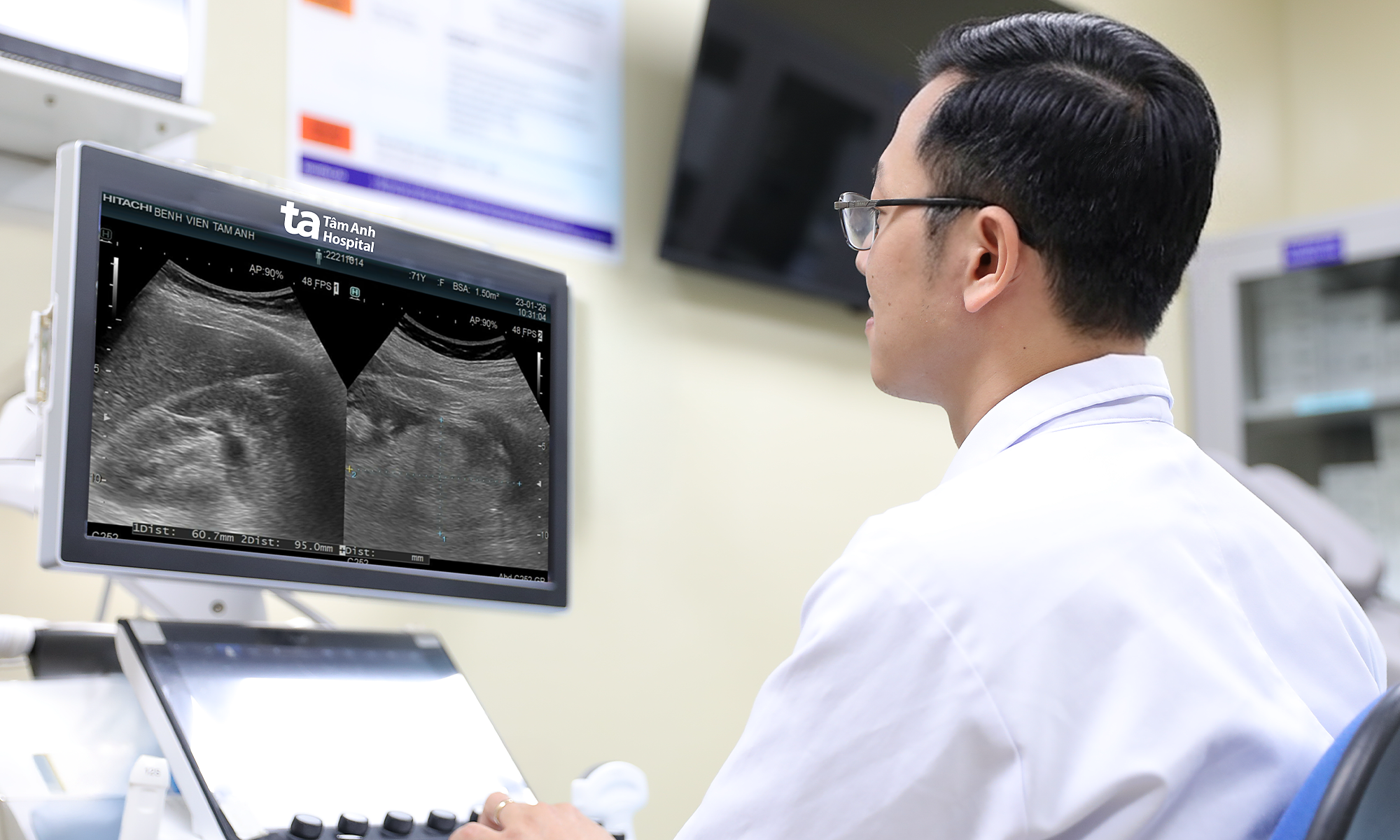
If hair loss persists for more than 2-3 months, thins rapidly, or presents with other unusual symptoms, a medical examination is recommended. A doctor may order tests to assess thyroid function, sex hormones, blood sugar, or micronutrient status to identify the cause.
Correct diagnosis improves treatment effectiveness and limits the risk of prolonged or irreversible hair loss. Patients should maintain a balanced diet, ensuring sufficient protein (about 1,2-1,5 g/kg/day) along with iron, zinc, and essential vitamins. Additionally, they should reduce stress and avoid excessive chemical use on their hair.
Master, Doctor Phan Thi An
Department of Endocrinology - Diabetes
Tam Anh General Hospital Hanoi
Readers are invited to submit questions about endocrine conditions for expert medical advice.