Hand, foot, and mouth disease (HFMD) is an acute infectious disease caused by enteroviruses. Children with HFMD often experience fatigue, fever, mouth sores, and a reduced appetite, leading to a temporary decline in health. Doctor Nguyen Anh Duy Tung, a specialist in Nutrition and Dietetics at Tam Anh General Clinic District 7, advises parents on supplementing children's vitamins and minerals with specific fruits.
Fruits rich in vitamin C
Vitamin C strengthens the immune system, promotes healing, and protects children from HFMD's infectious agents. Parents can offer watermelon, papaya, or ripe mango. Avoid overly sour fruits like oranges, grapefruits, or lemons, as their high acidity can irritate mouth sores.
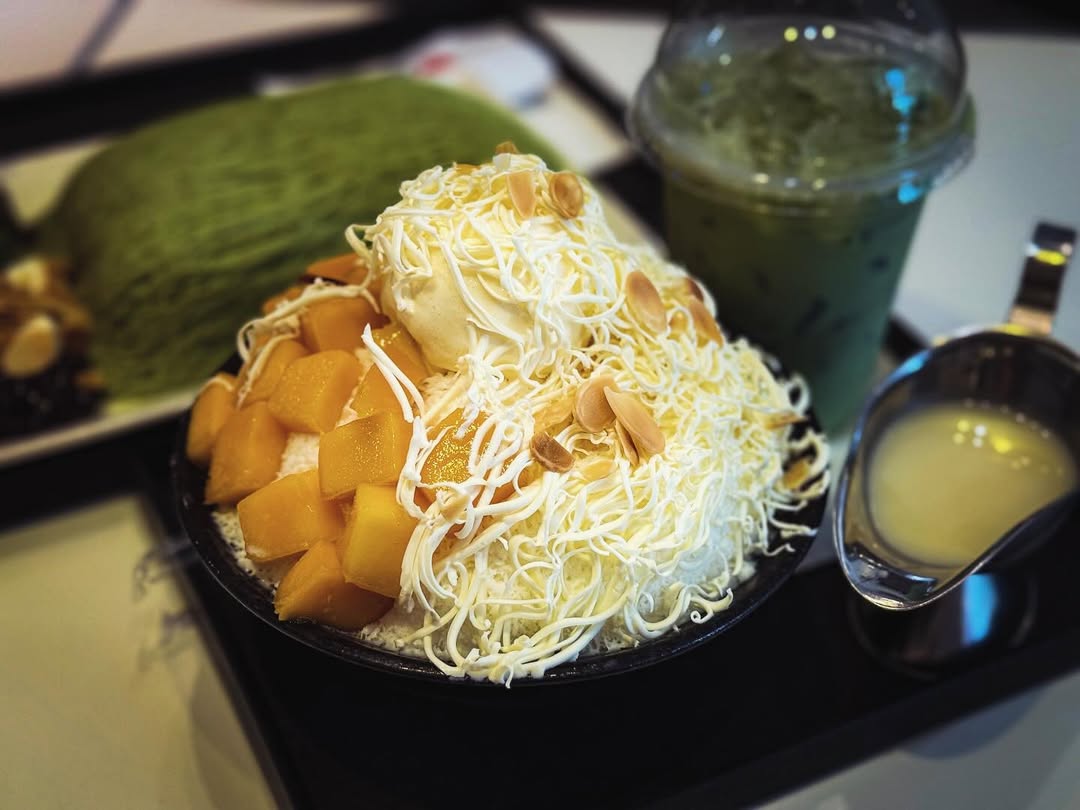 |
Ripe mango is soft, easy to eat, and provides vitamin C to help heal sores in children with hand, foot, and mouth disease. Quoc An.
Soft, juicy fruits, rich in antioxidants
During the initial stage of HFMD, blisters and mouth sores make chewing and swallowing food difficult for children. Children may also face dehydration from fever, diarrhea, or reluctance to drink due to mouth pain.
Parents should offer soft, ripe, juicy fruits like watermelon, cantaloupe, banana, avocado, papaya, grapes, dragon fruit, strawberries, blueberries, and ripe pears. These fruits contain fiber, vitamins A, C, E, and potassium, which boost immunity and cause less oral discomfort. Antioxidants also support the immune system, helping the body combat viruses. Juicy, cooling foods provide hydration and reduce fever.
Parents can prepare fruits in several ways, depending on the child's preferences and health:
Puree or blend into smoothies: Bananas, avocados, papayas, and dragon fruits can be blended into smoothies. Combine them with fresh milk, unsweetened yogurt, or a small amount of honey to enhance flavor and nutritional value. Smoothies should be smooth, without seeds or fibers, to avoid irritating the mouth lining.
Juicing: Watermelon, grapes, cantaloupe, or tangerines can be juiced and diluted with filtered water to reduce acidity. Strain the juice carefully to remove pulp or seeds, ensuring comfort when swallowing. Add a small amount of natural sweetener, such as honey (if the child is over one year old), to increase sweetness and encourage fluid intake.
Steaming or cooking: Fruits like apples, small bananas, and pears can be steamed to soften them, making them easy to swallow and avoiding irritation to mouth sores. Steamed fruits are also easier to digest, suitable for children with sensitive digestive systems during illness.
Making jelly: Fruit juice can also be used to make soft, easy-to-eat jelly. Parents should use natural gelatin and ensure the jelly is prepared at room temperature, not overly chilled.
When preparing, ensure food safety by thoroughly washing, peeling, and deseeding fruits before use. Utensils like blenders, knives, and cutting boards must be cleaned to prevent contamination.
Divide fruits into several portions throughout the day, varying preparation methods. Avoid serving fruits that are too cold, as this can irritate inflamed mouth areas. While hand, foot, and mouth disease often resolves within 7-10 days, parents should seek immediate medical attention if a child experiences a persistent high fever (above 39 degrees C), extreme fatigue, continuous crying, lethargy, convulsions, trembling limbs, frequent startling causing breathing difficulties, or bluish discoloration of the body.
Quoc An
| Readers can submit nutrition questions here for doctors to answer. |