Edema, characterized by tissue swelling due to fluid accumulation in the interstitial spaces, can manifest systemically or locally. It is not a specific indicator of a single disease but can arise from various health conditions, including kidney disease. In individuals with kidney damage, the impaired function of blood filtration and excess fluid excretion leads to water and salt retention in the body. Additionally, certain glomerular injuries can reduce blood protein levels. This alteration facilitates fluid leakage from blood vessels into tissues, causing swelling.
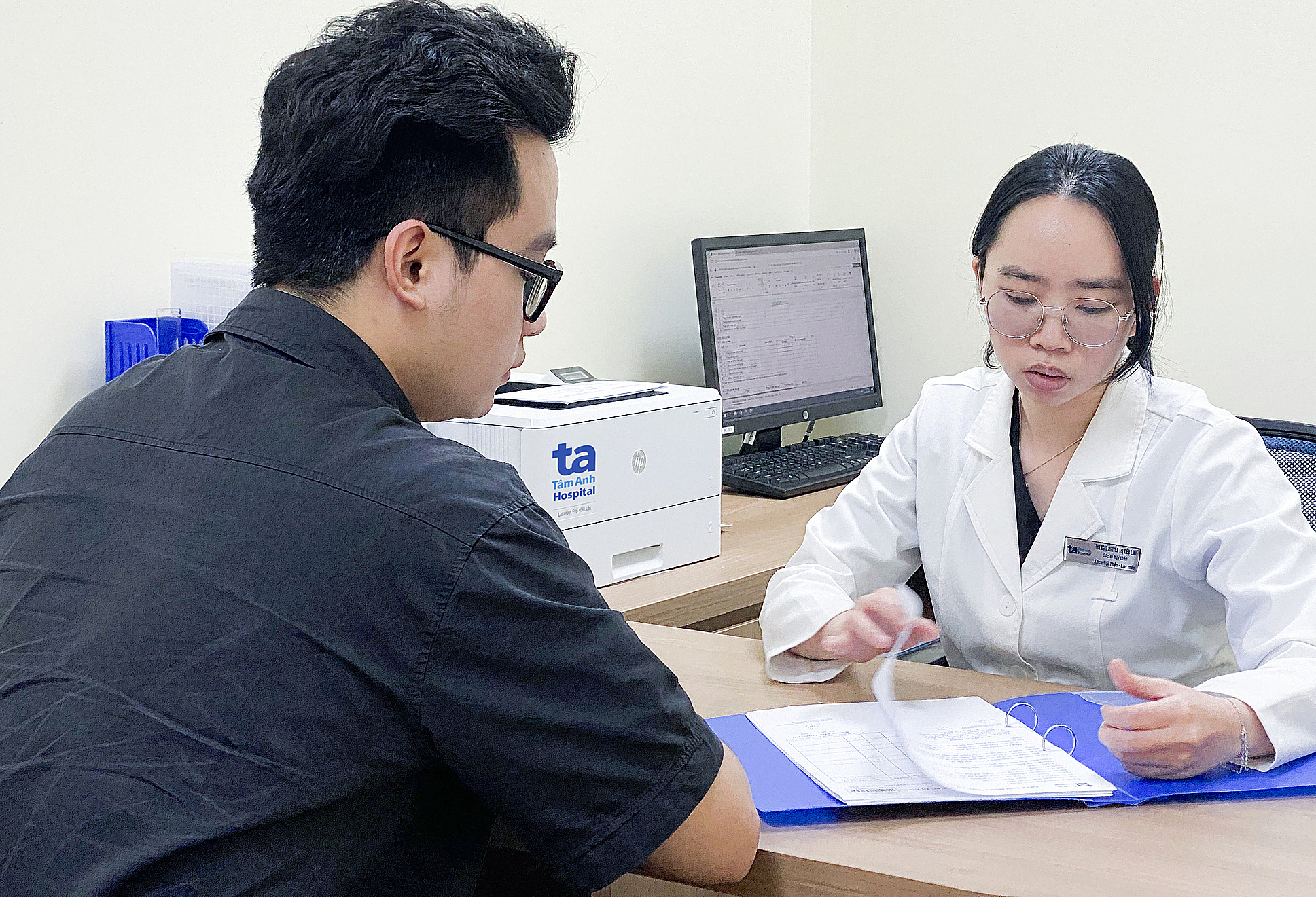 |
Doctor advises patients on swelling in the eyelids, hands, and feet. Photo: Tam Anh General Hospital
Edema associated with kidney disease often exhibits distinct characteristics: swelling appears on both sides of the body, initially subtle, commonly affecting the eyelids in the morning. It can gradually worsen, depending on the disease's severity, extending to the face, hands, feet, or even becoming generalized. Pressing on the swollen area may reveal a slight indentation, known as pitting edema.
Patients may also notice persistent foamy urine, decreased urination frequency, rapid weight gain over a short period, high blood pressure, fatigue, or poor appetite. These symptoms can indicate conditions such as glomerulonephritis, nephrotic syndrome, or impaired kidney function.
If edema persists, worsens, and remains uncontrolled, the retained fluid can impact multiple bodily organs. Patients might experience a heavy sensation, difficulty moving, and tight skin. In severe cases, fluid accumulation in the lungs or effusions in various membranes can lead to shortness of breath, respiratory failure, and increased strain on the cardiovascular system.
However, edema does not always originate from kidney issues. Similar symptoms can arise from cardiovascular diseases, liver conditions, venous insufficiency, or nutritional deficiencies. Therefore, if you notice signs of swelling, especially if it worsens or is accompanied by other unusual symptoms, you should seek prompt medical evaluation at a hospital for timely diagnosis and treatment. Doctors can advise on lifestyle adjustments, diet, and exercise to manage fluid retention, support related organ functions, and limit the progression of edema.
Doctor Nguyen Thi Minh Anh
Department of Nephrology - Dialysis
Tam Anh General Hospital Ha Noi
| Readers can submit questions about kidney and urinary tract diseases here for doctors to answer. |