Running at approximately 9 km/h burns more calories than walking, making it a more effective aid for weight loss. An hour of running can expend 500-600 calories, varying with weight and speed; faster running increases calorie expenditure.
Running, regardless of pace, benefits cardiovascular health, helps regulate blood sugar, reduces stress, and improves cholesterol levels. Fast running also promotes post-workout calorie burning, as the body requires energy for recovery after intense activity.
A suggested running plan can help individuals lose 5 kg in 10 weeks.
Begin slowly if you are new to running, adjusting the plan as needed. Walk for the first two weeks to gauge your body's response, then start running in the third week.
Day one: Warm up with a 5-minute walk or light cardio. Run continuously for 30 minutes, followed by a 5-minute cool-down walk. This session expends about 390 calories. For increased calorie burning, run for 15 minutes on flat ground and 15 minutes on hills.
Day two: Warm up with 5 minutes of walking or light cardio. Run for 15 minutes, then cool down with a walk. Running expends around 168 calories. Follow the 15-minute run with 30 minutes of weight training to burn an additional 112 calories.
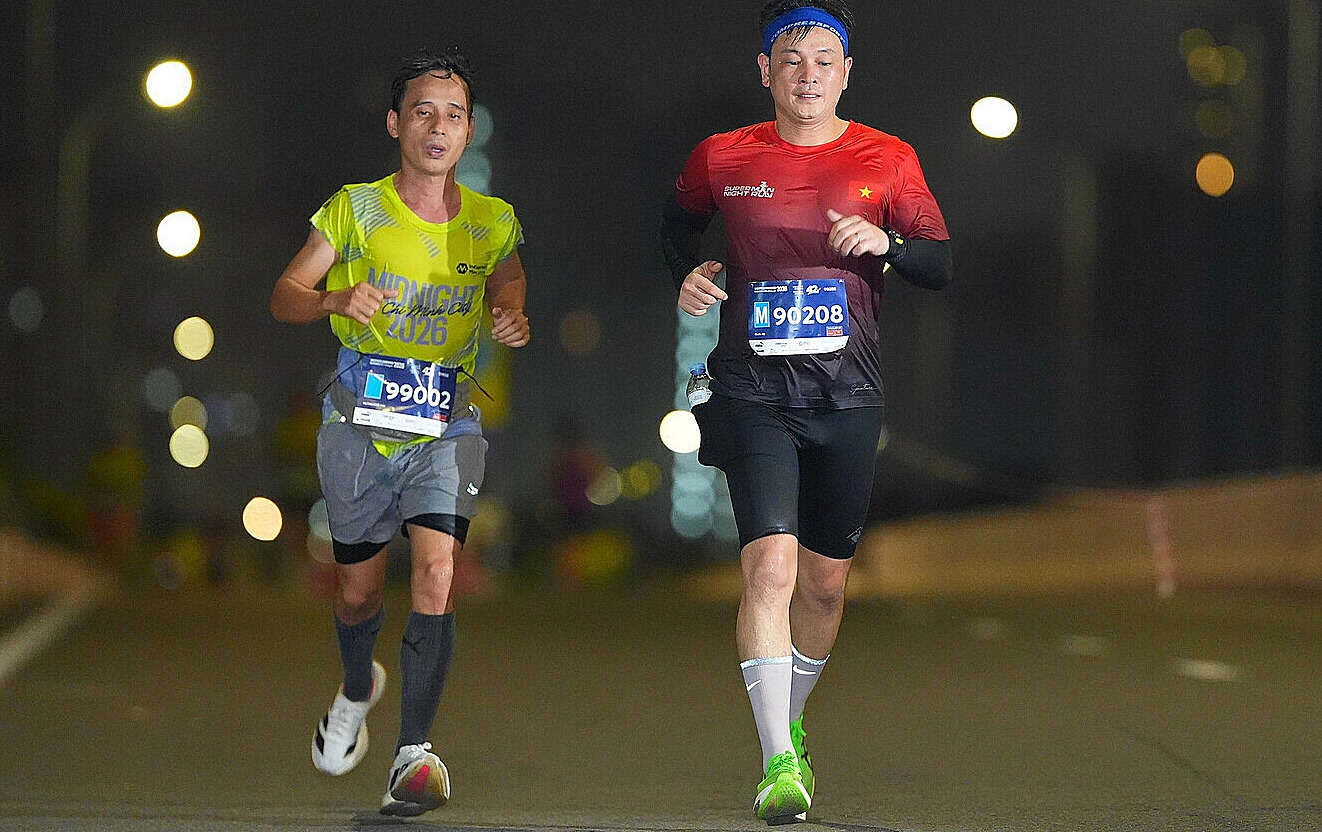 |
Running burns more calories than walking. Photo: VnExpress Marathon |
Day three: Rest, stretch, or engage in light yoga.
Day four: Warm up with a 5-minute run, then sprint for one minute, followed by a 1-2 minute walk, repeating this cycle for 20 minutes. Conclude with a 5-10 minute walk for stretching and cool-down. This session expends 250 calories. Incorporate an additional 15-20 minutes of high-intensity interval training (HIIT) for further calorie burning.
Day five: Begin with 5 minutes of light cardio or warm-up. Run fast and continuously for 30 minutes, then cool down with a 5-minute walk. This session expends approximately 400 calories. To maximize calorie burning, run for 15 minutes on flat ground and 15 minutes on hills.
Day six: Rest, or take a light 10-20 minute walk.
Day seven: Combine 30 minutes of running with other activities such as cycling, hiking, dancing, or strolling.
Individuals losing weight often face increased hunger, particularly later in the day. Consistency is crucial to avoid overeating and prevent weight regain.
To accelerate fat burning, alternate between sprinting and slow running throughout your workout or for portions of your route. Running uphill and downhill also expends more calories than running on flat terrain.
Diet plays an equally vital role as exercise. Alongside regular activity, prioritize healthy meals, eating three main meals daily without skipping. Focus on protein sources like chicken, fish, eggs, and beans to support muscle growth. Limit processed meats, fatty foods, and pastries. Increase fiber from green vegetables, nuts, and omega-3 fats to reduce inflammation and promote satiety.
Anh Chi (According to Eating Well)
| Readers can send questions about endocrine diseases here for doctors to answer. |