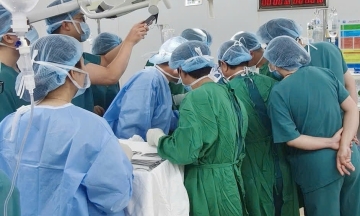
The Covid-19 BA.3.2 variant, also known as "Cicada," is a sub-lineage of Omicron. Laboratory conditions show it has some changes in antigenic properties and immune evasion capabilities. Currently, there is no evidence that BA.3.2 causes more severe illness than previous variants, but vigilance is still needed, and prevention measures should not be overlooked.
Symptoms of Covid-19 are largely similar to the flu, including: fever, cough, dry or phlegmy throat, sore throat, nasal congestion or runny nose, fatigue, headache, muscle aches, sometimes accompanied by nausea, diarrhea, and loss of appetite. While most cases are mild, the virus can still cause complications such as pneumonia and respiratory failure, especially in elderly individuals, those with underlying conditions, or immunocompromised individuals.
To prevent illness, people should wear masks in crowded places, on public transportation, or at healthcare facilities. Everyone should maintain the habit of frequent handwashing with soap or hand sanitizer, especially after touching public surfaces, and limit touching their eyes, nose, and mouth. For frequently touched surfaces like doorknobs, phones, and desks, regular cleaning and tidying are necessary, and living spaces should be kept well-ventilated.
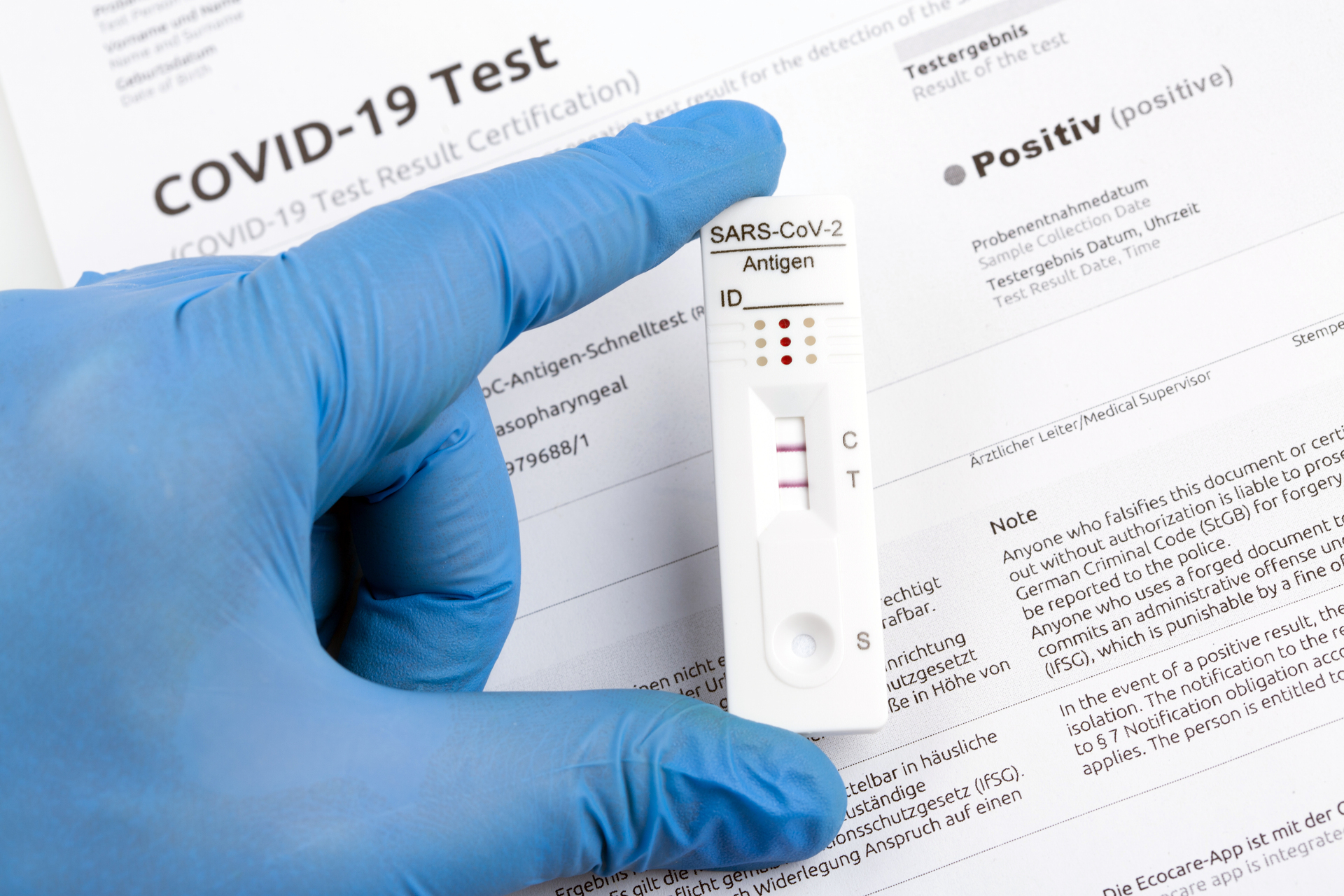 |
Rapid test detecting Covid-19 infection. Photo: Vecteezy.
Additionally, every family member should gargle regularly to reduce the pathogen load residing in the oropharynx, which is a "gateway" for many viruses. Maintaining a healthy lifestyle with a balanced diet, including plenty of green vegetables and fruits, getting sufficient sleep, and exercising regularly helps boost natural immunity.
When experiencing symptoms such as cough, fever, or shortness of breath, people should visit a medical facility for timely examination and consultation; this is particularly important for those returning from outbreak areas or high-risk groups such as the elderly, pregnant women, and individuals with underlying conditions.
Furthermore, Covid-19 can co-infect with other respiratory illnesses like the flu, pneumococcus, measles, or respiratory syncytial virus (RSV), especially in enclosed environments such as schools, offices, and hospitals. These pathogens are already present in the oropharynx and air, waiting to attack when the body's immune system is weakened.
According to research, adults hospitalized due to co-infection with Covid-19 and the flu have a 4 times higher risk of needing mechanical ventilation and a 2,4 times higher risk of death compared to those infected with only one virus. For individuals with underlying conditions such as diabetes, hypertension, or metabolic diseases, the risk of complications can increase 2-8 times when "disease stacking" occurs.
To limit co-infection, in addition to the Covid-19 vaccine, people should also receive vaccines for the flu, pneumococcus, RSV, meningococcus, and measles. The flu vaccine helps prevent common virus strains including A (H1N1, H3N2) and B; it is administered to children from 6 months old and adults, with an annual booster. Pregnant women can receive the flu vaccine at any stage of pregnancy. For meningococcus, people need to receive combined vaccines to prevent the five common pathogenic serogroups: A, B, C, Y, W-135.
There are various pneumococcal vaccines, such as pneumococcal 13, 15, 20, and 23, which help reduce the risk of Covid-19 and other respiratory virus infections for children and adults, with the age of vaccination depending on the vaccine type. An RSV vaccine is available for pregnant women from 24-36 weeks and elderly individuals 60 years and older, and a monoclonal antibody is available for disease prevention in infants up to 24 months old. Everyone should ensure complete protection for themselves and their families.
Dr. Le Thi Gam
Medical Manager, VNVC Vaccination System
Readers can submit vaccine questions for a doctor's answer here.