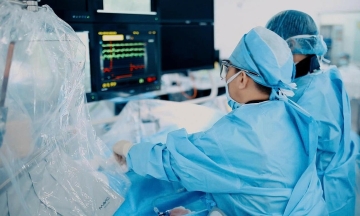
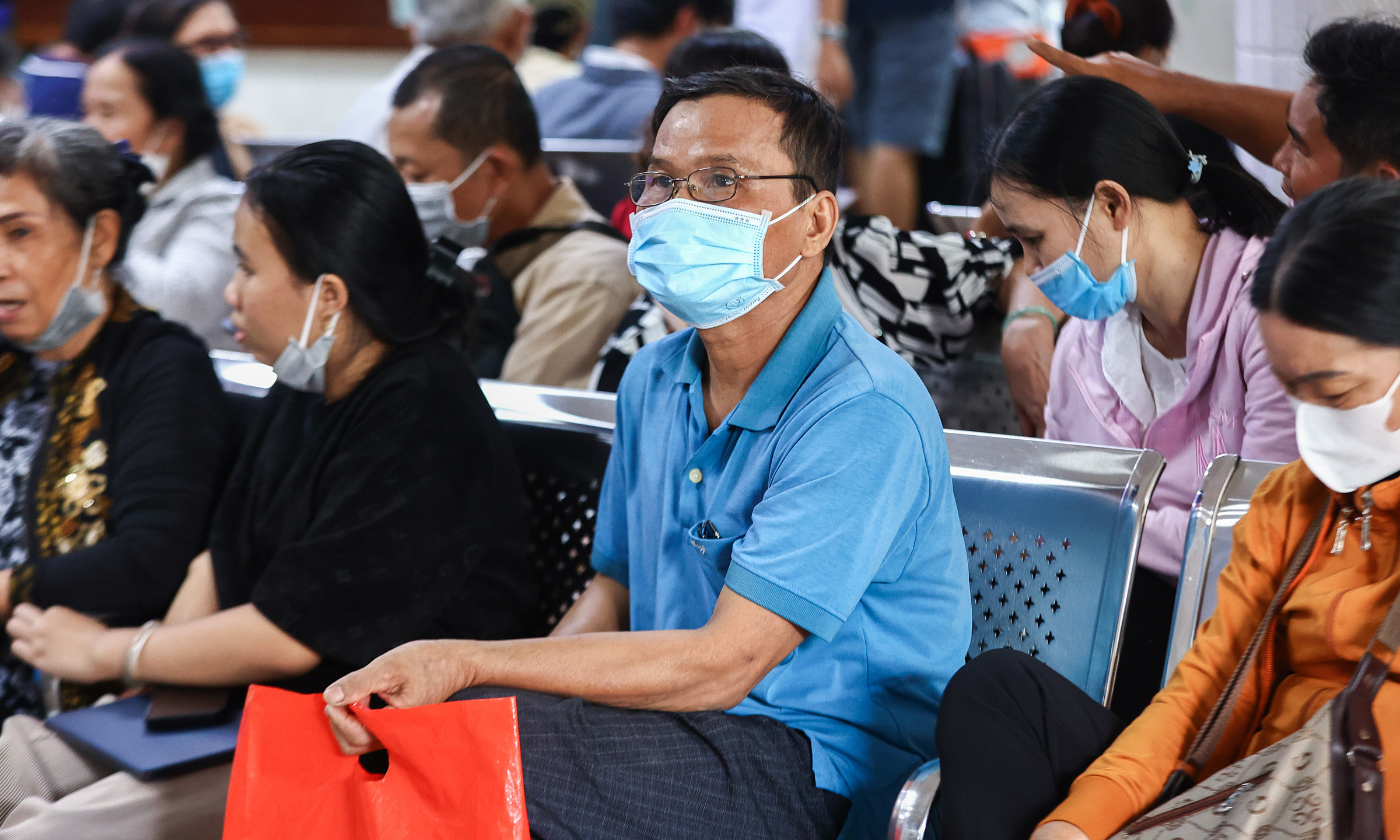
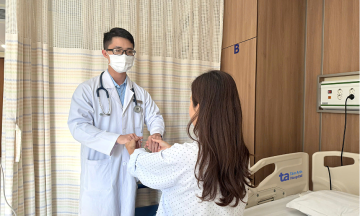
The Guardian on 30/3 reported experts warned of imminent supply shortages and sharp price increases. Mark Samuels, Chief Executive Officer of Medicines UK, an organization representing manufacturers supplying 85% of drugs to the National Health Service (NHS) in the UK, stressed the "current situation is extremely serious". Medical distributors and hospitals in the UK typically maintain only 6 to 8 weeks of stock. If the conflict persists, the UK health system will quickly deplete its supplies next month.
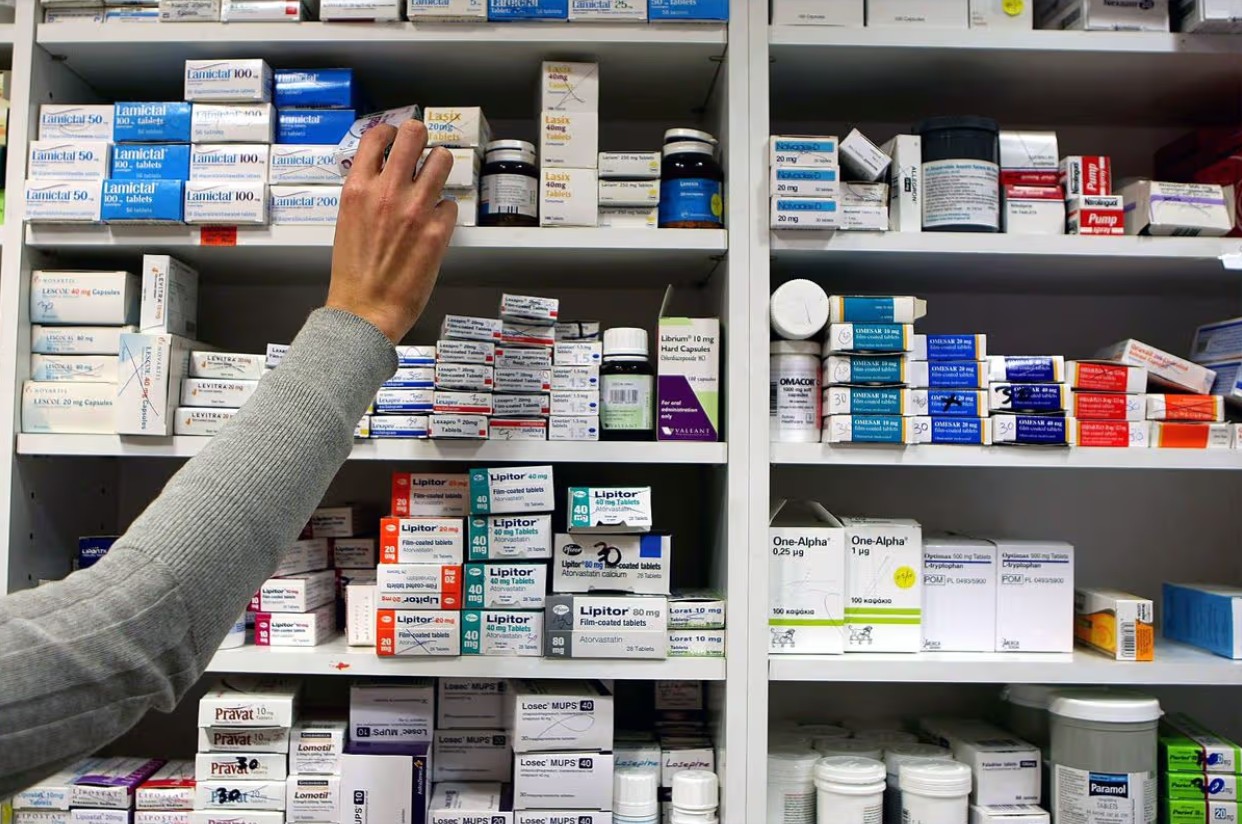 |
Illustration: PA
Geopolitical tensions have blockaded the Hormuz Strait and disrupted operations at major airports in Dubai, Doha, and Abu Dhabi. David Weeks, supply chain risk management director at Moody’s, described this as a "perfect storm". Sea and air routes connecting India – which produces most of the world's generic drugs and active pharmaceutical ingredients (APIs) – with Europe are congested. Shipping companies must reroute vessels around the Cape of Good Hope, adding 14 days to the journey and an estimated one million USD in fuel costs per trip.
The logistics crisis directly impacts goods requiring air transport to maintain speed and temperature, including cancer treatments, infectious disease treatments, high-tech cell and gene therapies, and biologics. Frank Van Gelder, Secretary General of Pharma.Aero, stated that air cargo volume through the Middle East plummeted by 80% earlier this month. Doubled air freight costs are eroding already thin profit margins for manufacturers, leading to potential losses if they continue supplying the NHS.
Beyond transport costs, rising crude oil and gas prices also pushed petrochemical raw material prices, such as methanol and ethylene, to new levels. Factories need these substances to produce APIs and essential medical supplies like syringes, test tubes, and personal protective equipment.
Professor Wouter Dewulf from Antwerp Management School predicts pharmaceutical companies will proactively pass these additional costs onto consumers through increased sales prices at clinics and retail pharmacies. "Ultimately, we all have to pay more, right?", he said.
Binh Minh (According to The Guardian)