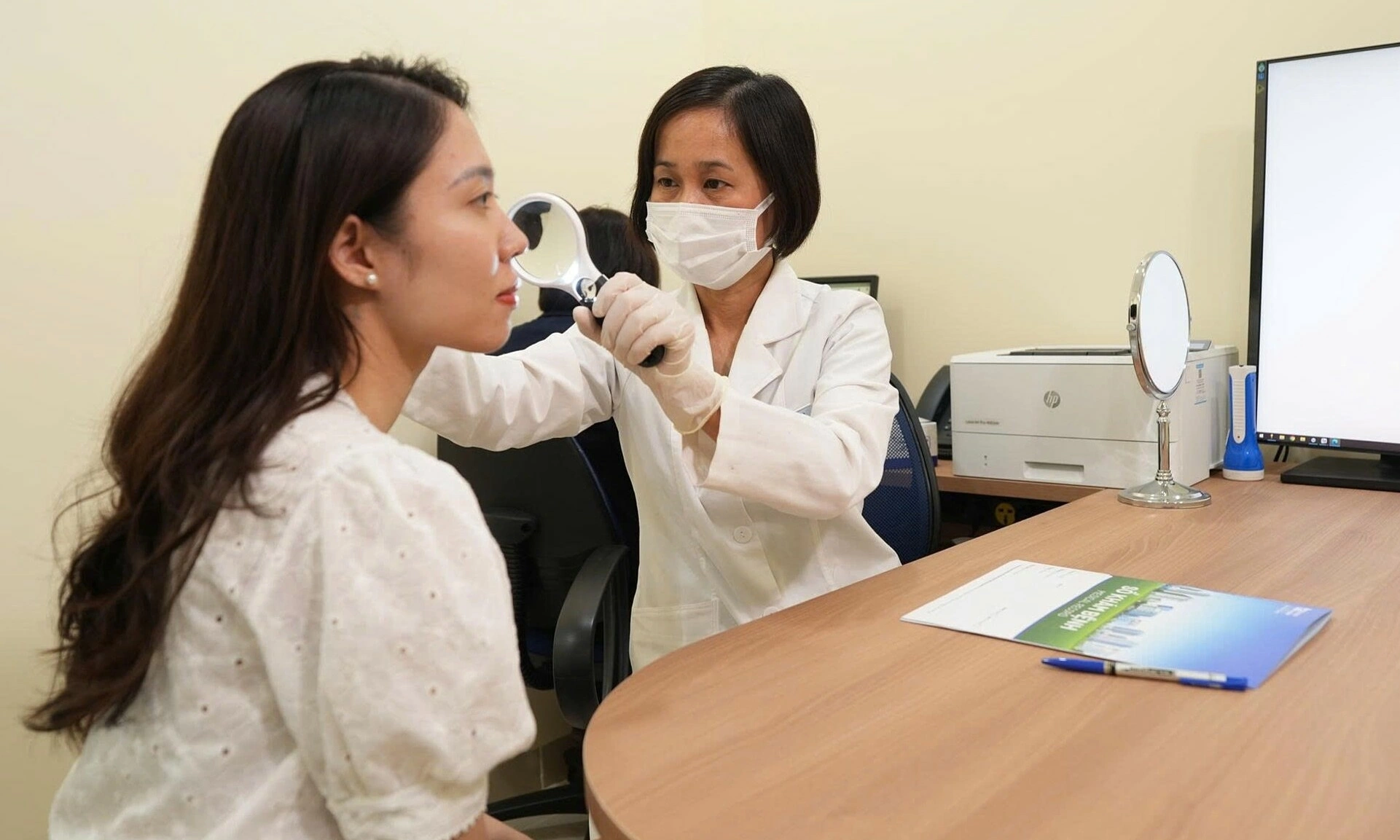
Mr. Trong's weight plummeted from 72 kg to 62 kg. He often experienced rapid hunger, intense thirst, dizziness upon waking, and frequent nighttime urination. He felt fatigued, weak, and had dry skin and a fast pulse. Occasionally, he experienced numbness in his feet, eventually collapsing into unconsciousness before being admitted to Tam Anh General Hospital TP HCM for emergency care.
Test results revealed Mr. Trong's blood sugar level was critically high at 750 mg/dL (normal is below 140 mg/dL), and his plasma osmolality exceeded 320 mOsm/kg, indicating severe dehydration. He received intravenous fluids, insulin injections, and underwent capillary blood sugar monitoring every three hours, along with electrolyte monitoring, to stabilize his blood sugar and rehydrate him.
Master, Doctor Hoang Thi Hong Linh, from the Department of Endocrinology - Diabetes at Tam Anh General Hospital TP HCM, diagnosed Mr. Trong with hyperosmolar hyperglycemic state, a serious complication of type 2 diabetes.
Hyperosmolar hyperglycemic state is an acute, dangerous complication that frequently affects elderly individuals with type 2 diabetes or those with undiagnosed or improperly managed diabetes. This condition develops gradually over several days or weeks, characterized by extremely high blood sugar levels (above 600 mg/dL), severe dehydration, and electrolyte imbalances.
This complication can lead to varying degrees of altered consciousness, potentially resulting in coma, seizures, and even death. "Hyperosmolar coma in diabetic patients is a severe complication, with a mortality rate of about 20-30%, which is higher than diabetic ketoacidosis," Doctor Linh noted.
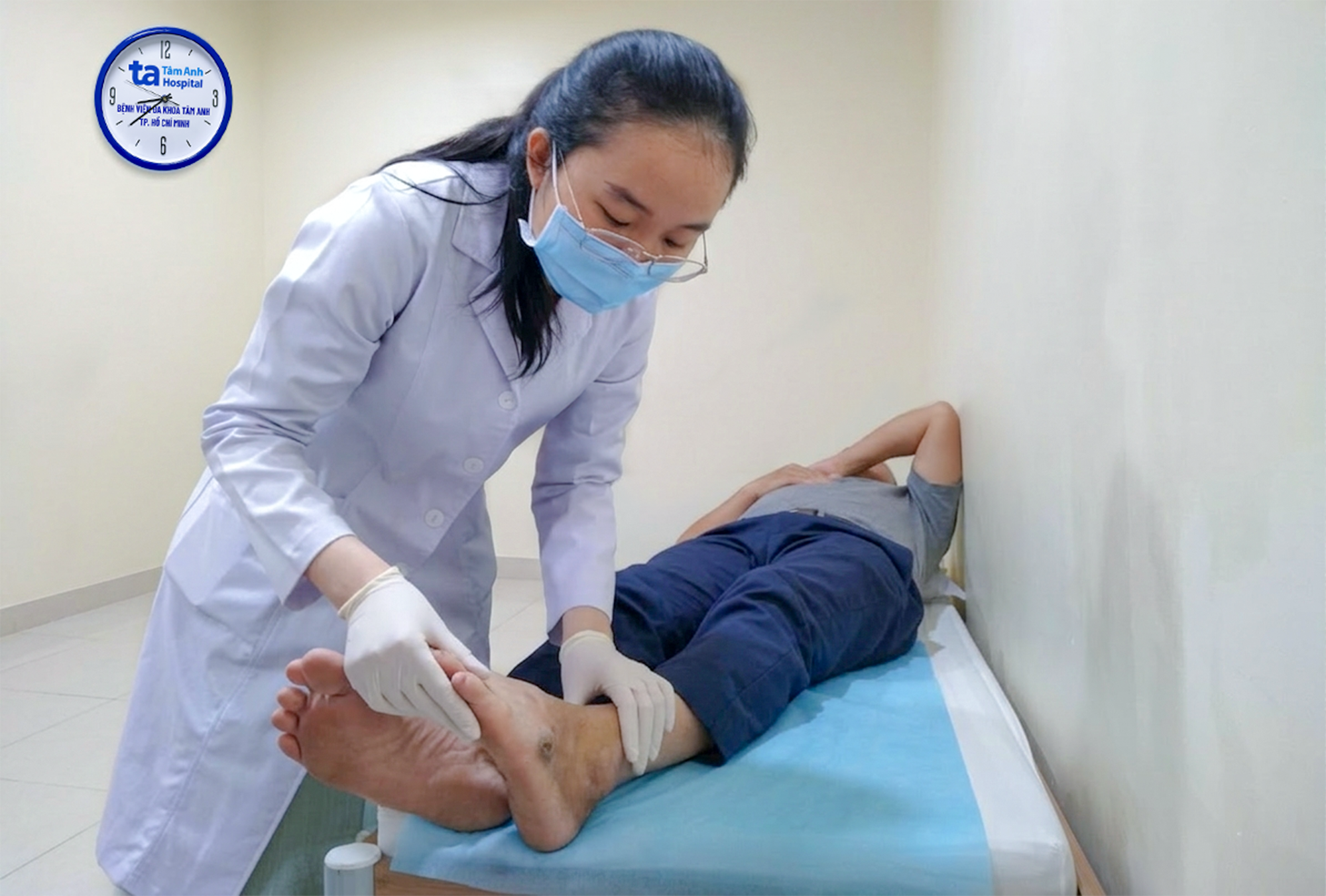 |
Doctor Linh examines Mr. Trong's feet to screen for complication risks. Photo: Tam Anh General Hospital |
After his blood sugar stabilized, Mr. Trong underwent a thorough evaluation of his peripheral blood vessels and nerves, as well as foot pressure measurements, due to occasional loss of sensation in his feet. This was done to prevent diabetic foot complications.
Doctor Linh further explained that common symptoms of diabetes, such as thirst, weight loss, and frequent urination, are often overlooked because they are not specific. Individuals experiencing unexplained weight loss, frequent urination, and constant thirst should seek medical attention for early diagnosis and treatment to prevent complications. Regular diabetes screening, at least once a year, is crucial for timely detection of any abnormalities.
Bach Duong
*Patient's name has been changed
| Readers can submit questions about diabetes here for doctors to answer |