The kidneys are vital organs responsible for filtering metabolic byproducts from protein, such as urea, creatinine, and uric acid. Dr. Ho Tan Thong, a specialist from the Nephrology and Dialysis Unit at Tam Anh General Clinic District 7, explains that when meat consumption exceeds the body's needs, the kidneys become overworked for extended periods, increasing the risk of functional decline. The doctor advises a diverse diet, prioritizing white meats like fish and chicken, and limiting the following types of meat.
Red meat
Red meats, including beef, veal, and lamb, contain high levels of protein. This means that after metabolism, they produce a large amount of nitrogenous waste products like urea and creatinine, which the kidneys must excrete.
Excessive consumption of red meat forces the kidneys to work harder to process large quantities of waste and generates numerous acidic intermediate products. This prolonged strain can damage the kidneys, leading to a decrease in glomerular filtration rate (eGFR) and potentially progressing to chronic kidney disease. Red meat can also elevate uric acid levels, further burdening the kidneys' metabolic processes.
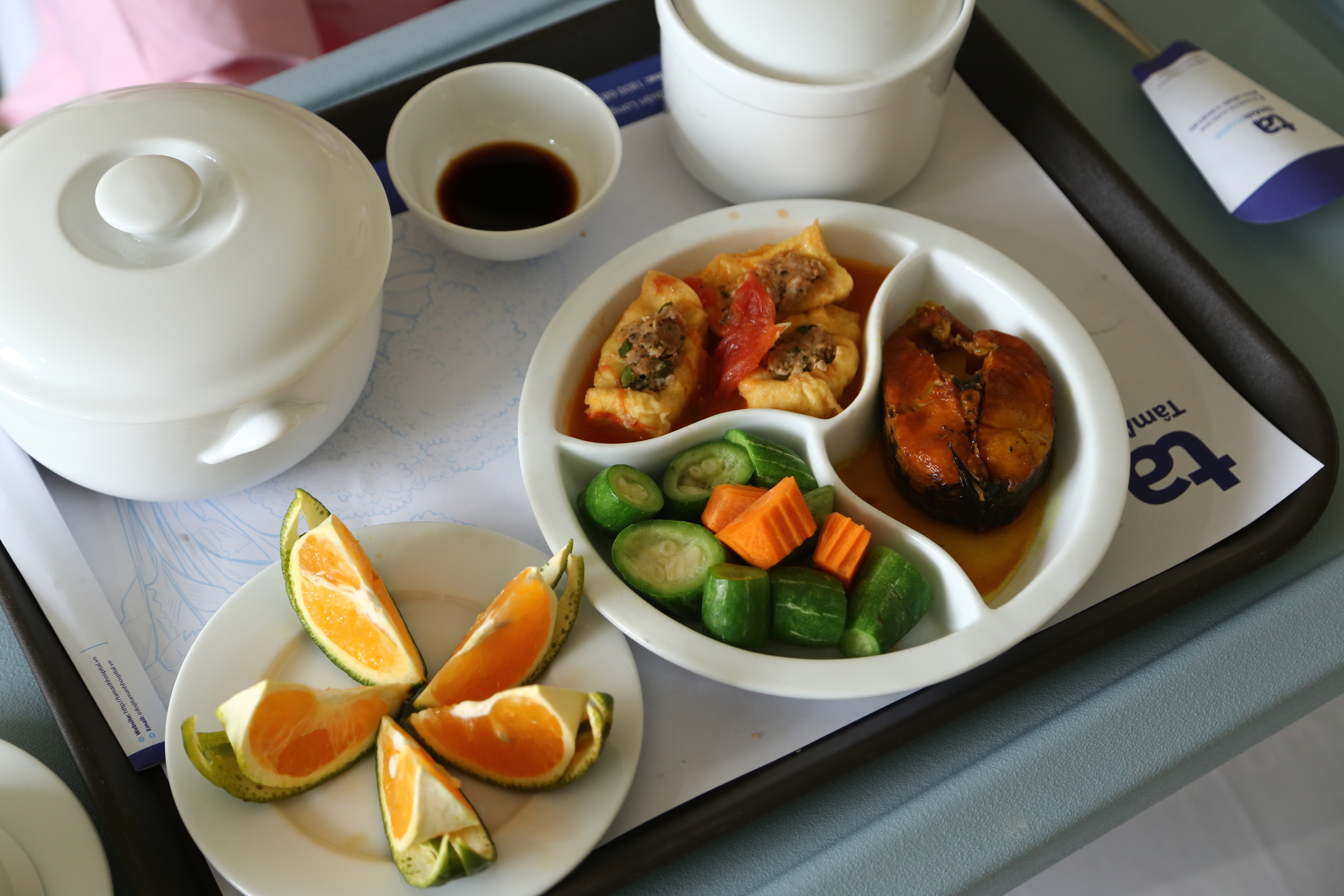 |
Replacing red meat with fish and vegetables can help protect kidney function. Illustration: Tam Anh General Hospital
Organ meats
Organ meats such as liver, kidney, and intestines are rich in purines. After metabolism, purines are converted into uric acid. Elevated uric acid can crystallize into urate deposits in the kidneys, causing inflammation and tissue damage, and increasing the risk of kidney stone formation. This mechanism is also linked to gout, a condition that affects not only joints but can also lead to long-term kidney damage.
Organ meats also contain high levels of saturated fat, cholesterol, and phosphorus, which contribute to the burden on the kidneys' blood-filtering capacity.
Processed meats
Processed meats, including sausages, cold cuts, canned meats, jerky, and bacon, typically contain very high levels of salt (sodium) and numerous inorganic phosphate preservatives. Sodium increases water retention and circulatory volume, leading to high blood pressure.
Excessive phosphates disrupt mineral metabolism, causing vascular calcification and kidney damage. Notably, phosphates from processed foods are much more readily absorbed than those from natural sources, making their impact more significant.
Grilled and deep-fried meats
Meats cooked at high temperatures, such as grilling, deep-frying, or pan-searing, often develop charred surfaces that produce harmful substances like heterocyclic amines (HCAs) and polycyclic aromatic hydrocarbons (PAHs). These compounds induce oxidative stress, damage endothelial cells in blood vessels, and adversely affect the microvascular system within the kidneys. Over time, this inflammation and microvascular damage can impair the kidneys' filtering function.
Dr. Thong emphasizes that these types of meat are not inherently bad foods, but consuming them in large quantities or preparing them improperly will increase the burden on the kidneys. Kidneys are primarily affected through three mechanisms: increased filtration load due to excessive protein, metabolic disorders involving uric acid and phosphate, and vascular damage from salt and harmful toxins. Therefore, individuals should reduce their daily intake of red meat, replacing it with fish and white meat. It is also important to minimize processed meat consumption, prioritize steaming and boiling over frying and grilling, and control protein intake according to one's physical condition.
Dinh Lam
| Readers can submit questions about kidney and urinary tract diseases here for doctor consultation. |