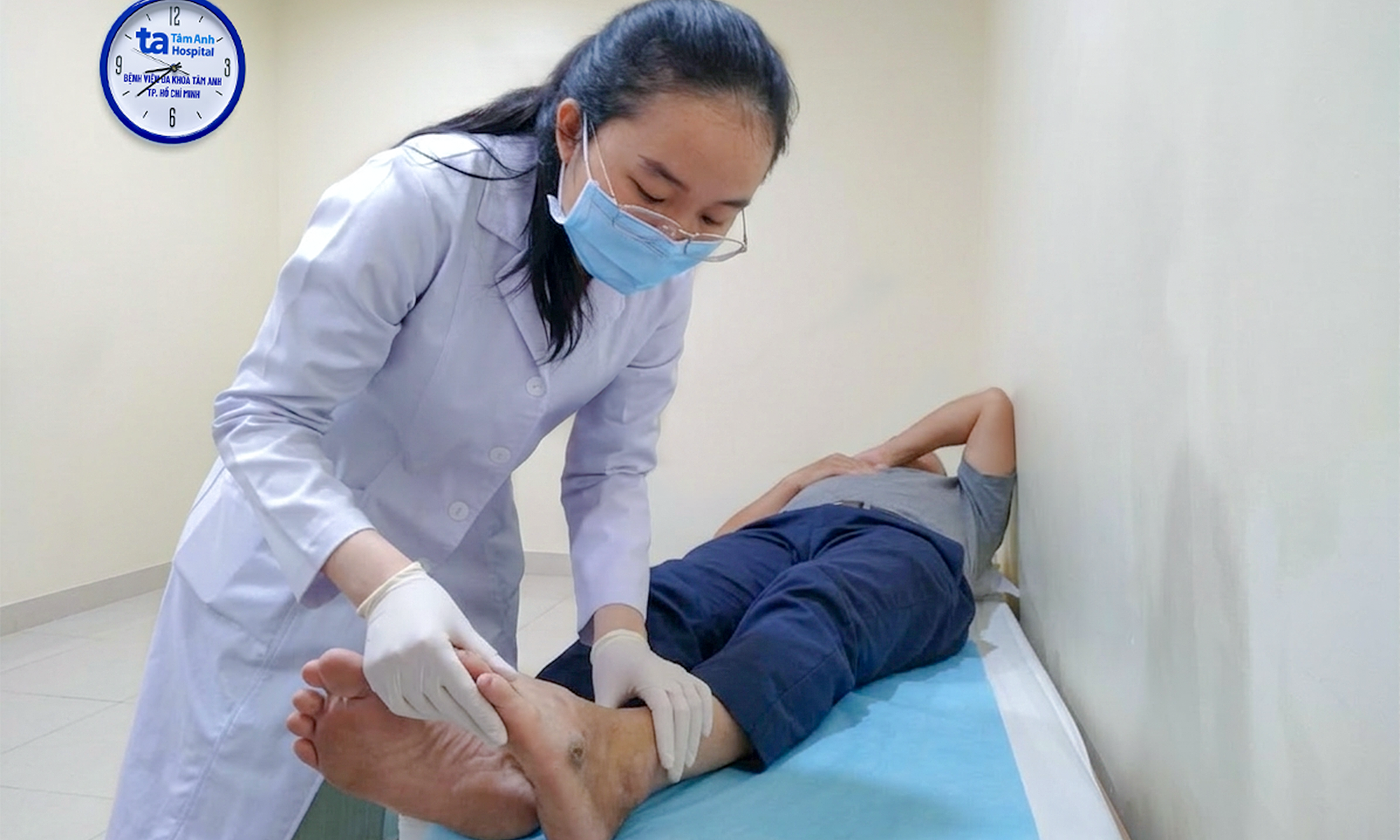
One month after a traffic accident, Ms. Thuong, 32, developed a 3 cm hypertrophic scar on the top of her foot. The scar was fibrous, uneven, and discolored, affecting its appearance. Doctor Duong Quoc Trung, a specialist in aesthetics at Tam Anh General Hospital Hanoi, explained that the top of the foot has poor circulation, little soft tissue, and is subject to frequent friction, prolonging discoloration.
Ms. Thuong underwent a 5-month treatment regimen using Nd:YAG and Er:YAG lasers. Doctors applied this therapy during the skin's regeneration phase to fade the scar and restore skin texture. This laser technology works by softening fibrous tissue, stimulating collagen restructuring, and improving skin quality, effectively flattening the uneven scar surface. Subsequently, a short-pulse laser addressed hyperpigmented areas, resulting in an even skin tone. By the third treatment session, the scar had flattened by over 60%, and the discolored skin area showed approximately 70% improvement in evenness.
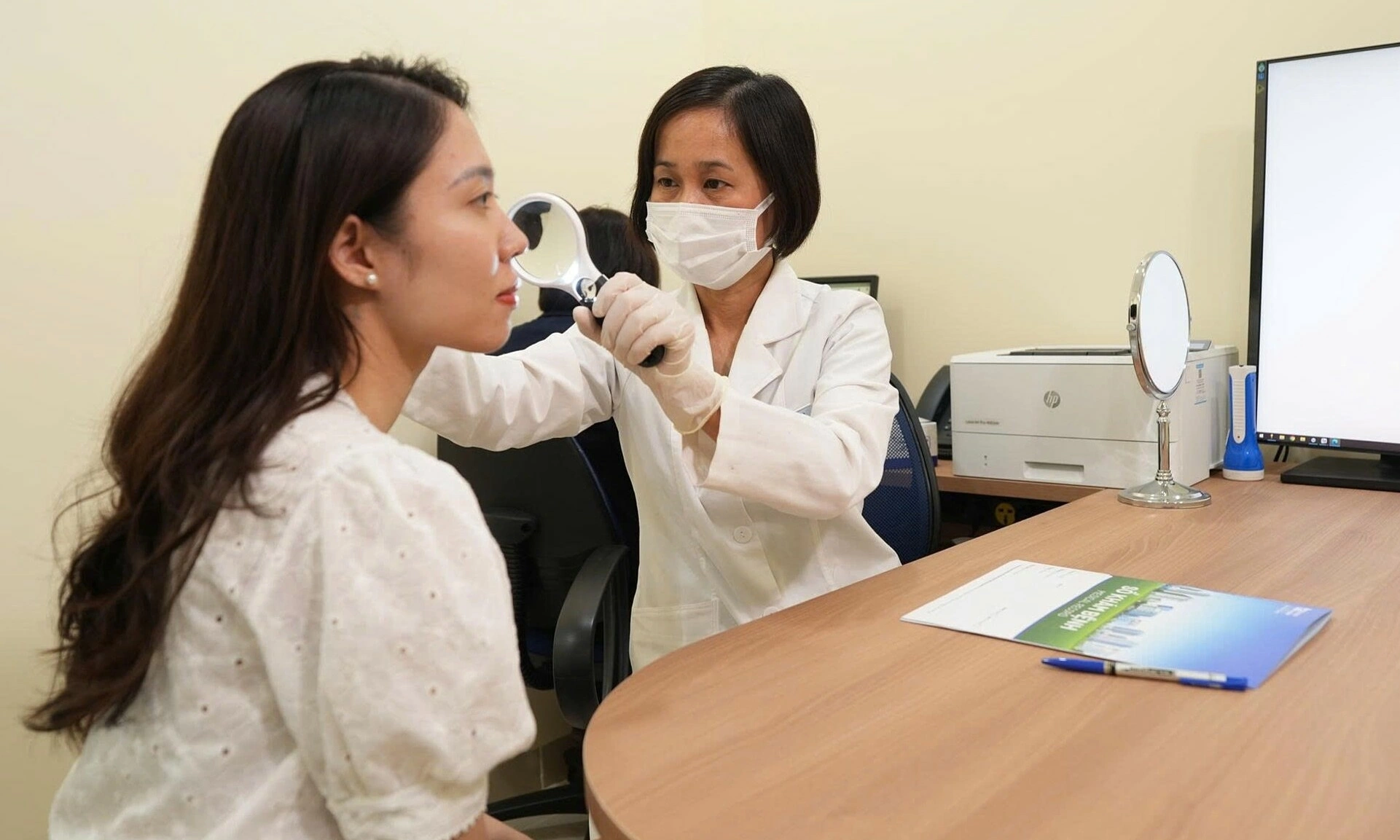
Doctor Trung stressed the importance of a detailed examination for scars with pigmentation disorders before intervention. He explained that scar treatment requires an individualized approach, considering factors such as scar type, the extent of pigmentation issues, the duration of scar formation, its location, the patient's constitution, and healing capacity. Improper or aggressive laser application can increase the risk of post-inflammatory hyperpigmentation or worsen hypopigmentation. Typically, laser scar treatment involves multiple sessions, each spaced several weeks apart, allowing the skin time for regeneration and pigment stabilization. Post-treatment skin care, particularly sun protection and moisturizing, is important for maintaining results and preventing complications.
Hang Tran