Hot, humid weather does not directly cause food poisoning, but it enables pathogenic bacteria to multiply quickly. Doctor Hoang Nam, from the department of Gastroenterology, Hepatobiliary, and Pancreatic Diseases at Tam Anh Cau Giay General Clinic, stated that food between 5 and 60 degrees C is more susceptible to bacterial contamination. Coupled with weather conditions, incorrect eating habits in hot weather can increase the risk of food poisoning.
Cooked food is "definitely" safe
While cooking food kills most initial bacteria, improper storage allows bacteria to re-enter from the hands of preparers, utensils, water, or the surrounding environment.
Refrigerators can "ensure absolute safety"
According to Doctor Nam, refrigerators do not kill bacteria; they only slow their growth rate. Some bacteria, such as Salmonella, E. coli, or Listeria, can still survive in food even when refrigerated, especially in protein-rich dishes like meat, eggs, seafood, or ready-made meals.
People should store cooked food in the refrigerator for a maximum of two days, avoiding longer storage. Reheating food multiple times should be avoided due to the high risk of bacterial contamination.
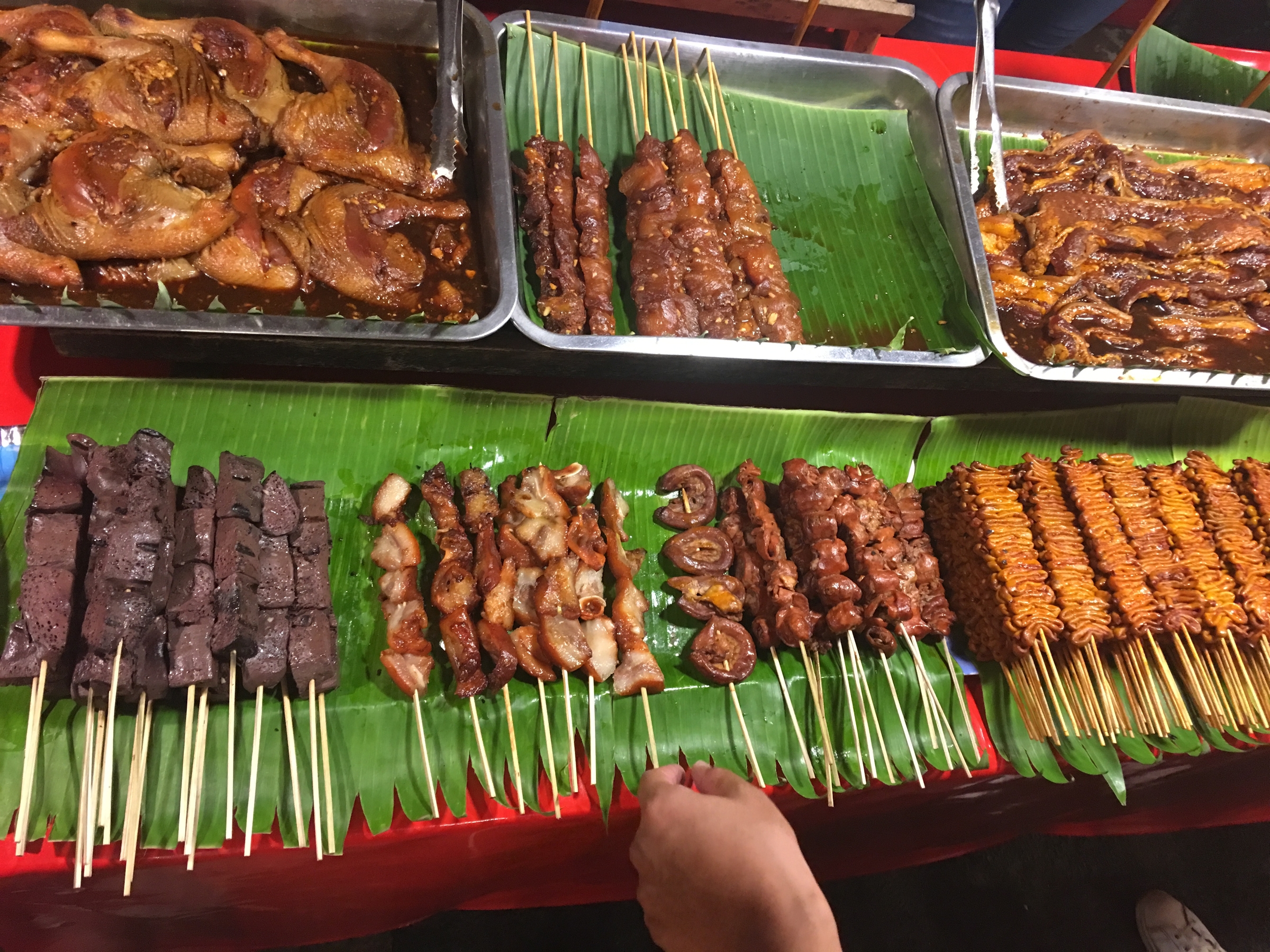 |
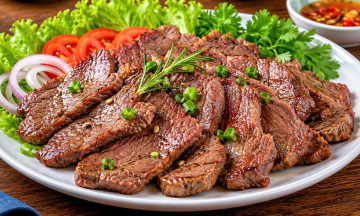
Cooked food still poses a risk of poisoning if not properly stored. Photo: Ly Nguyen
Leaving food at room temperature for too long
Many people have a habit of letting cooked food cool completely at room temperature for a long time before refrigerating it. While this might not cause obvious problems in cold weather, it can increase the risk of bacterial infection during hot seasons. Pathogenic bacteria multiply very quickly when food is left at room temperature, especially in hot weather.
Cooked food should be cooled moderately and refrigerated promptly. It is important to limit leaving cooked food exposed to the environment for extended periods. Doctor Nam advises against leaving meat, fish, seafood, eggs, milk and dairy products, cooked meals, or cut fruits out for more than two hours, and no more than one hour if the outdoor temperature exceeds 32 degrees C.
To mitigate the risk of poisoning and related illnesses, Doctor Nam recommends adjusting eating habits during hot weather: prioritize fresh, clean food, eat cooked food, and drink boiled water. Avoid leaving food out overnight and do not be complacent with cooked dishes or ready-made foods.
If symptoms such as abdominal pain, vomiting, diarrhea, or fever appear after eating, individuals should seek early medical attention for timely treatment and to prevent complications.
Ly Nguyen