Eng English
China 中国人

Eng English
China 中国人
  • News
  • World
  • Business
  • Entertainment
  • Sports
  • Law
  • Education
  • Health
  • Lifestyle
  • Travel
  • Science
  • Digital
  • Automobiles
  • Trở lại Thể thao
  • Health
Monday, 31/8/2026 | 11:06 GMT+7

Mistakes that prolong bronchitis cough

Self-medicating with cough suppressants, inadequate hydration, overexertion, or neglecting humidity levels can irritate airways, leading to a persistent cough.

Cough is a typical symptom of acute bronchitis and can last for several weeks even after the infection subsides, as the bronchial lining needs time to recover. Certain habits and inappropriate treatments can continue to irritate the airways, causing a prolonged cough. Dr. Nguyen Thac Dung, from the Department of Respiratory Medicine at Tam Anh General Hospital in Hanoi, advises patients to avoid the following common mistakes.

Self-medicating with cough suppressants

When the bronchial lining becomes inflamed, the body increases mucus production and creates a productive cough to expel secretions and irritants from the airways. Arbitrarily using cough suppressants inhibits this cough reflex, making it difficult to clear phlegm. This can lead to mucus accumulation, further irritating the bronchial lining and increasing coughing as the body attempts to clear the airways.

Mucus containing bacteria, virus, or toxins trapped in the airways can exacerbate breathing difficulties. Patients should not self-medicate to completely stop a productive cough; instead, they should take medication only as prescribed by a doctor.

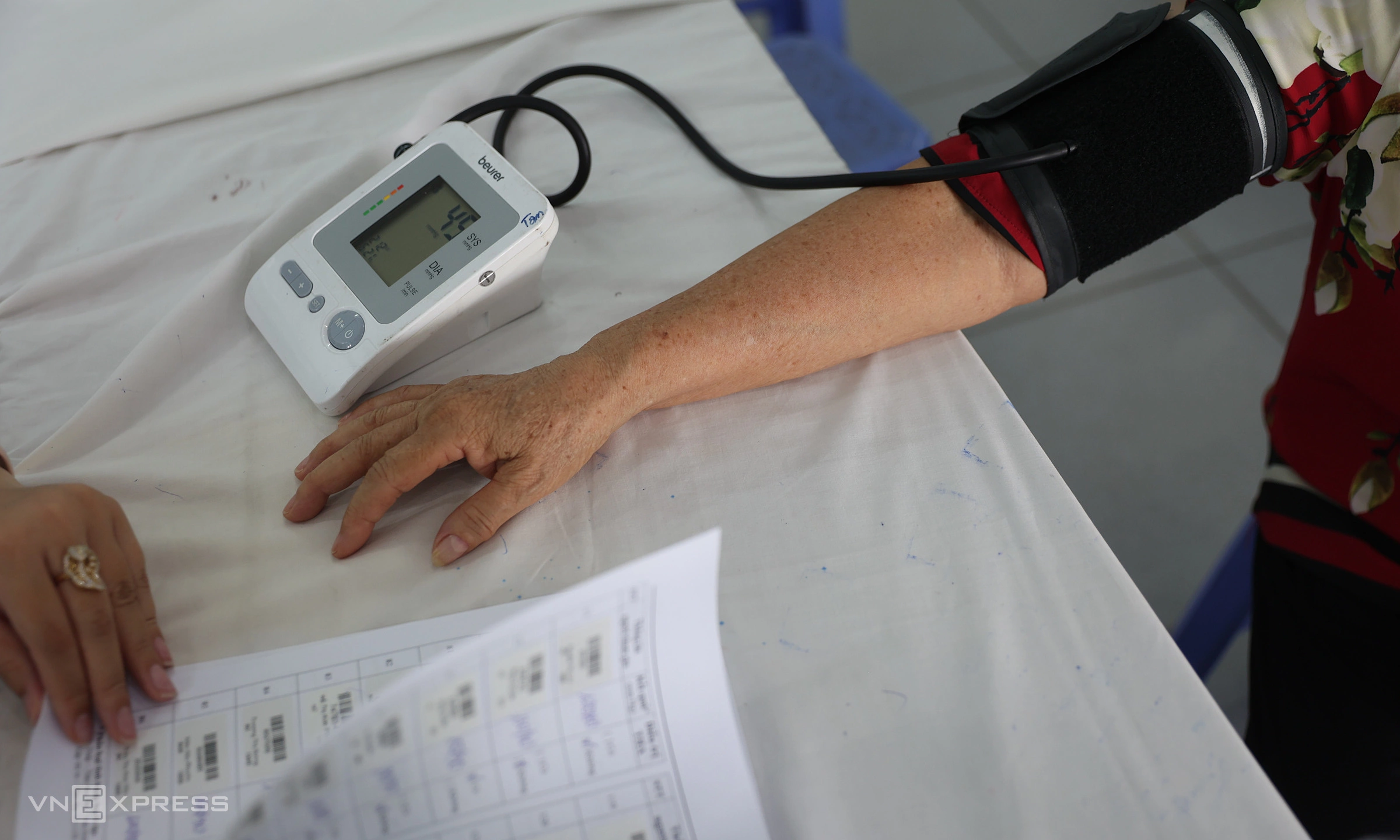
Patients should not self-medicate without a doctor's prescription. *Photo: Tam Anh General Hospital*

Stopping medication prematurely

Medication for bronchitis typically lasts about 7 days or longer, depending on the condition and prescribed drugs. Many individuals tend to stop taking their medication once symptoms begin to lessen, even if they have only been using it for a few days and have not completed the doctor-prescribed course. This can prevent the illness from being fully controlled, leading to recurrent or prolonged symptoms, and making future treatment more challenging.

Insufficient hydration

During acute bronchitis, the bronchial lining becomes inflamed and produces more phlegm, stimulating the cough reflex. When the body is dehydrated, phlegm becomes thicker and more difficult to clear, causing patients to cough more frequently or for longer periods to clear their airways. Staying well-hydrated helps thin secretions and aids in expelling phlegm. Individuals with acute bronchitis should drink plenty of water during their recovery.

Overexertion and strenuous activity

When suffering from bronchitis, the body requires time and energy to recover from the infection and airway inflammation. Continuing to overwork or engage in strenuous physical activity while fatigued increases discomfort, exacerbates tiredness, and hinders full recovery. Therefore, adequate rest is one of the recommended care measures for patients with acute bronchitis.

Neglecting indoor humidity levels

An unsuitable humidity level in the living environment can prolong or worsen bronchitis symptoms. Overly dry air depletes moisture from the airway lining, irritating the bronchi and consequently increasing coughing, sore throat, and feelings of breathlessness.

Conversely, high humidity fosters the growth of mold and certain microorganisms indoors, which can intensify respiratory irritants. Patients should maintain indoor humidity at approximately 40-60% to minimize airway irritation and create a favorable environment for recovery.

If a cough persists for 3-4 weeks, worsens, or is accompanied by shortness of breath, chest pain, coughing up blood, or prolonged fever, patients should seek medical attention to determine the cause and rule out pneumonia or other respiratory conditions.

Minh Duong

Readers can submit questions about respiratory illnesses here for a doctor's response
By VnExpress: https://vnexpress.net/sai-lam-khien-ho-do-viem-phe-quan-keo-dai-5114828.html
Tags: bronchitis cough respiratory

News in the same category

Six trans-tympanic injections help man improve hearing

Six trans-tympanic injections help man improve hearing

A 52-year-old man, suffering from dizziness and tinnitus for three years, had his hearing improved after doctors administered six trans-tympanic dexamethasone injections.

Typical signs of sleep apnea

Typical signs of sleep apnea

Loud snoring, waking up in the middle of the night, daytime sleepiness, and headaches after waking are common but easily overlooked symptoms of sleep apnea.

4 skincare habits to avoid during erratic weather

4 skincare habits to avoid during erratic weather

Leaving sweat on the skin for too long, over-cleansing, skipping sunscreen, or constantly changing cosmetics can make skin prone to irritation, clogged pores, and a weakened protective barrier.

Three holiday habits increase stroke risk

Three holiday habits increase stroke risk

Excessive alcohol consumption, late nights, and forgetting to take medication for underlying conditions during holidays can cause blood pressure fluctuations and heart rhythm disturbances, potentially increasing stroke risk.

Why does shingles cause electric shock-like pain?

Why does shingles cause electric shock-like pain?

My 67-year-old mother is suffering from shingles on her right back, experiencing needle-prick and electric shock-like pain. Why does this condition cause such symptoms, and what medication should be applied? (Hoang Kim, 45, Hai Phong)

Eating tips for stable blood sugar and weight loss

Eating tips for stable blood sugar and weight loss

Prioritizing vegetables, then protein and carbohydrates, and selecting low-sugar, high-fiber foods helps maintain stable blood sugar and reduces fat accumulation.

Should obese pregnant women diet?

Should obese pregnant women diet?

An expectant mother, 33, 8 weeks pregnant and with grade two obesity, asks if her condition will affect her baby's development and if she needs to diet.

How to care for children after tongue-tie release for quick recovery

How to care for children after tongue-tie release for quick recovery

Proper wound care, adjusting nutrition, and gentle tongue exercises help children recover quickly after tongue-tie surgery.

End-stage kidney failure: medical treatment avoids dialysis

End-stage kidney failure: medical treatment avoids dialysis

After three years of stable treatment for stage 3-4 kidney failure, Ms. Binh, 74, experienced a sudden drop in glomerular filtration rate to end-stage, but doctors successfully managed her condition medically, avoiding dialysis.

Proposal to increase benefits for long-term health insurance participants

Proposal to increase benefits for long-term health insurance participants

An Giang voters propose additional preferential policies to encourage continuous participation in health insurance for over 5, 10 years, or longer.

Eng English
China 中国人
  • News
  • World
  • Business
  • Entertainment
  • Sports
  • Law
  • Education
  • Health
  • Lifestyle
  • Travel
  • Science
  • Digital
  • Automobiles
FPT Tower, 10 Pham Van Bach Street, Dich Vong Ward,
Cau Giay District, Hanoi, Vietnam
Email: contacts@vnportal.net
Tel: 028 7300 9999 - Ext 8556
Advertise with us: 090 293 9644
Register
© Copyright 2026 vnnow.net. All rights reserved.
Terms of use Privacy policy Cookies