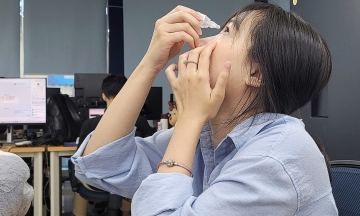
Pharyngitis is a condition characterized by inflammation of the throat lining, sore throat, pain when swallowing, dry cough, hoarseness, and fever. Master of Science, Doctor Huynh Hoang Minh, from the Department of Ear, Nose, and Throat at Tam Anh General Hospital, TP HCM, stated that sleeping in a low-temperature, air-conditioned room with inadequate humidity can irritate the throat and increase the risk of pharyngitis.
**Excessively low temperatures**
Setting the air conditioner below 25 degrees Celsius throughout the night dries out the nasal lining, reducing its natural protective capabilities, while also constricting blood vessels in the mucous membranes. This impairs the effectiveness of the protective mucus layer in the throat, allowing viruses and bacteria to penetrate and cause sore throats, coughs, and runny noses.
**Direct airflow to the face and neck**
This habit causes the nasal and throat lining to become cold and dry more quickly, diminishing its ability to warm and filter air. In addition to pharyngitis, individuals may experience coughing, nasal congestion, and headaches upon waking.
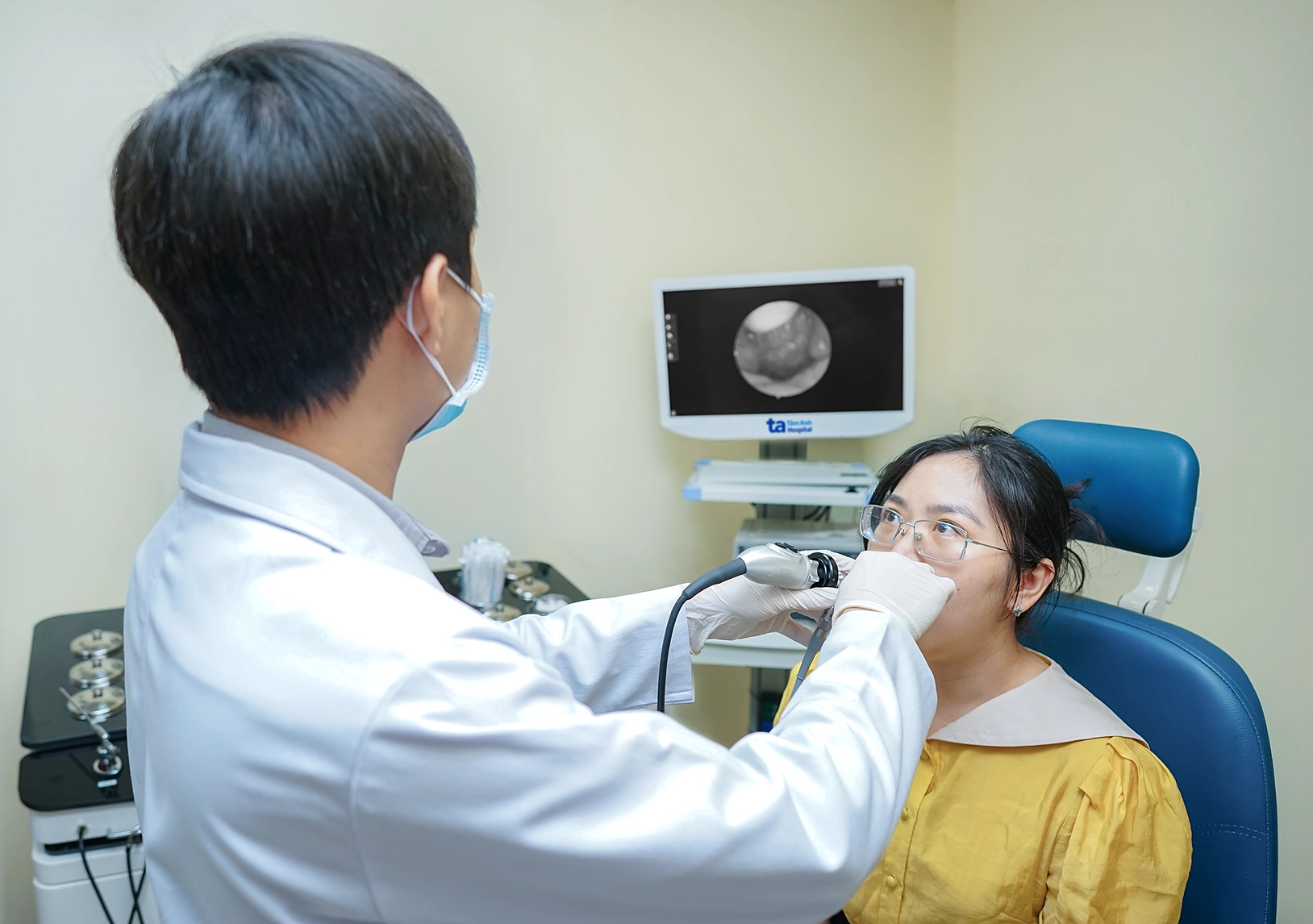 |
Doctor Minh performs a throat endoscopy for a patient. Photo: Tam Anh General Hospital |
**Lack of room humidification**
Continuous air conditioning reduces air humidity, leading to dry nasal and throat mucous membranes and a loss of natural moisture in the mucus layer. Symptoms are more severe in individuals with a history of rhinosinusitis or allergic rhinitis. To prevent these symptoms, patients should place a basin of water in the air-conditioned room or use a humidifier to increase air moisture.
**Mouth breathing during sleep**
According to Doctor Minh, cold, dry air from the air conditioner blowing directly into the throat without being warmed or humidified rapidly dehydrates and irritates the nasal and throat lining, causing dryness, soreness, and coughing.
**Infrequent air conditioner cleaning**
Air conditioners that are not cleaned regularly accumulate dust, bacteria, and mold, which can easily disperse into the air when in use. This habit increases the risk of pharyngitis and allergic rhinitis for users who inhale air containing bacteria, dust, and mold.
**Insufficient water intake before and after sleep**
Not drinking enough water before and after sleeping leads to mild dehydration and dry mucous membranes. When the protective mucus layer of the respiratory tract loses moisture, it also increases the risk of a sore throat.
Doctor Minh recommends maintaining room temperature between 26-28 degrees Celsius and avoiding direct cold airflow to the face to reduce respiratory illnesses when using air conditioning in the summer. Drinking enough water throughout the day helps keep the throat moist. Using a humidifier or placing a small basin of water in the room is also beneficial.
Daily nasal and throat hygiene with physiological saline, adequate rest, avoiding staying up late, and drinking lemon or ginger mixed with honey and warm water can boost immunity and help control symptoms.
If a sore throat persists for more than one week, accompanied by fever, severe cough, green or yellow phlegm, difficulty swallowing, hoarseness, or swollen lymph nodes in the neck, patients should seek medical examination to determine the cause and receive timely treatment.
Uyen Trinh
| Readers can submit questions about ear, nose, and throat conditions here for doctors to answer. |