For severe inflammatory acne characterized by widespread cysts, nodules, and painful redness, doctors typically prescribe intensive treatment regimens that combine oral and topical medications. Most effective acne medications are absolutely contraindicated for pregnant women.
For moderate to severe acne, commonly used medications include retinoids, hormone-regulating drugs, and oral antibiotics. Among these, isotretinoin effectively reduces sebum production, provides anti-inflammatory benefits, and prevents comedone formation. However, isotretinoin carries a risk of causing fetal abnormalities, including heart, brain, ear, eye, and central nervous system defects.
Similarly, topical retinoids like tretinoin and adapalene, as well as long-term oral medications, are unsafe during pregnancy. Many women mistakenly believe topical treatments "have no effect," but these active ingredients can be absorbed through the skin into the bloodstream, posing risks to the fetus.
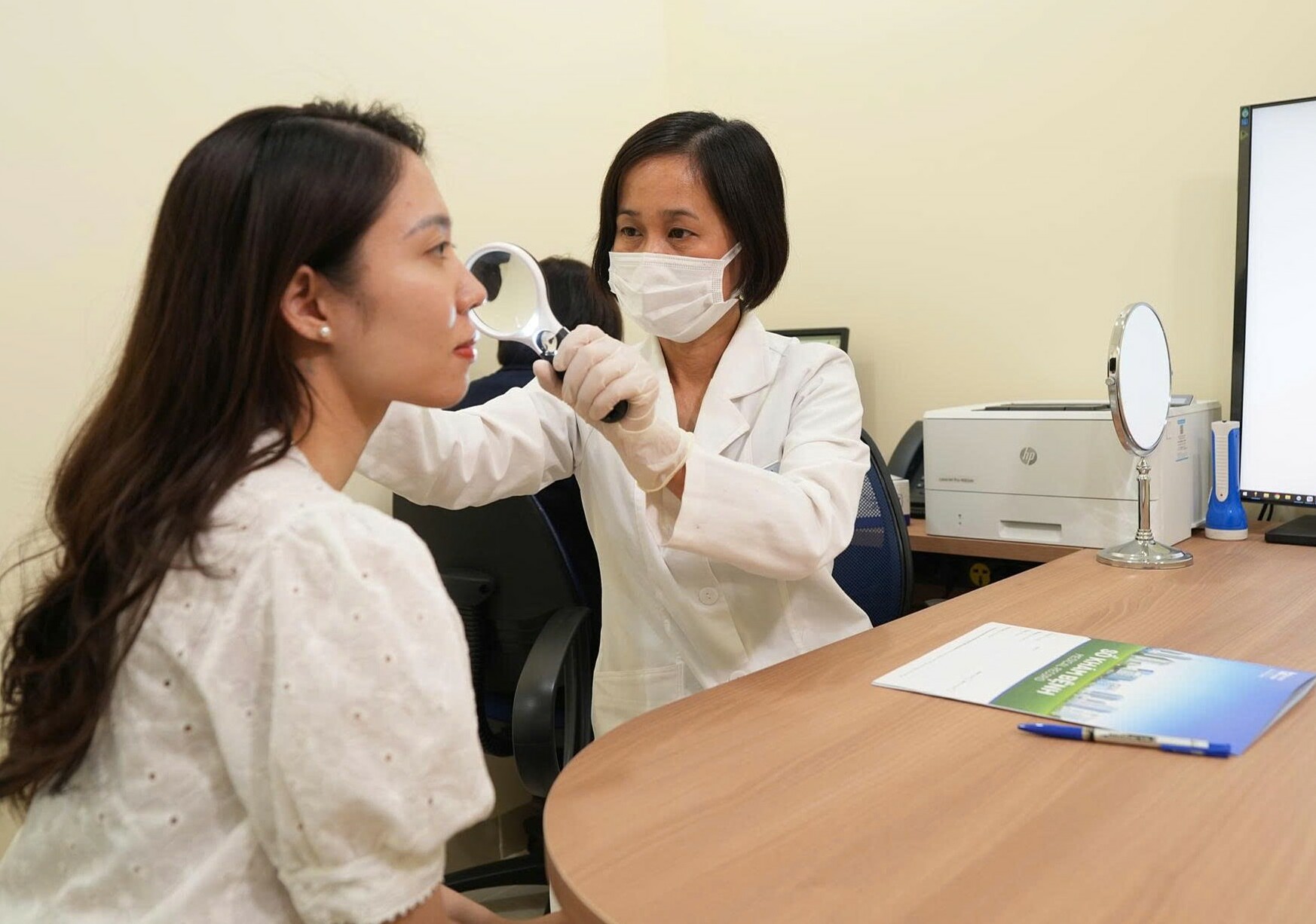 |
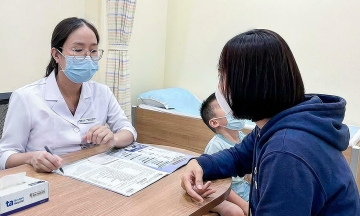
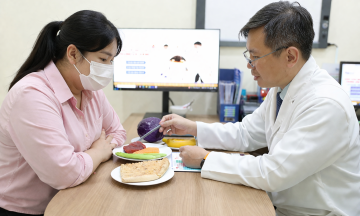
Doctor Viet Ha examining a woman's skin. Illustration: Tam Anh Cau Giay General Clinic
Pregnant women often experience increased acne. Hormonal changes, particularly a rise in progesterone, stimulate sebaceous glands to become more active, leading to oilier skin, clogged pores, and bacterial growth, which results in inflammatory acne.
During pregnancy, doctors must minimize treatment medications. Intensive therapies such as retinoids, hormone-regulating oral medications, high-concentration chemical peels, and inflammatory laser interventions are nearly impossible to apply. As a result, acne can flare up throughout pregnancy. Post-delivery, the skin may be left with pitted scars and dark spots, making recovery difficult.
Treating severe acne is a long process, often taking four to eight months or more, to control sebaceous glands and achieve lasting skin stability. If pregnancy is discovered mid-treatment, abruptly stopping medication disrupts the sebum control mechanism. Within just a few weeks, acne can return with greater severity than before.
If undergoing acne treatment with oral medications or retinoids, women must not become pregnant. They should completely discontinue all contraindicated medications and wait for a sufficient safe period before conception, or seek specialized consultation at reputable hospitals.
Specialist Doctor Level I Nguyen Thi Viet Ha
Tam Anh General Clinic Hanoi
| Readers can submit questions about obstetrics and gynecology here for doctors to answer. |