On 17/12, Doctor Nguyen Trung Nguyen, director of the anti-poison center at Bach Mai Hospital, reported that the center frequently admits poisoning cases from individuals believing traditional remedies that swallowing fish bile enhances health and virility. A notable example is a 48-year-old male patient from Thanh Hoa, admitted in late november with severe abdominal pain, profuse vomiting, diarrhea, and jaundice.
The patient's family reported that they had bought carp from the market to cook soup. Despite the fish's bile rupturing and making the dish intensely bitter, the man insisted on eating all the fish and drinking the broth, while others refused. Subsequently, the patient quickly showed signs of poisoning, and tests confirmed acute kidney failure with severe liver damage.
Earlier, the center also treated a 38-year-old male patient in critical condition from ingesting raw fish bile. Believing rumors that carp bile was beneficial for virility, he butchered the fish himself, extracted the bile, and mixed it with alcohol before drinking it. Just two hours later, his body reacted violently with profuse vomiting, diarrhea, and difficulty breathing.
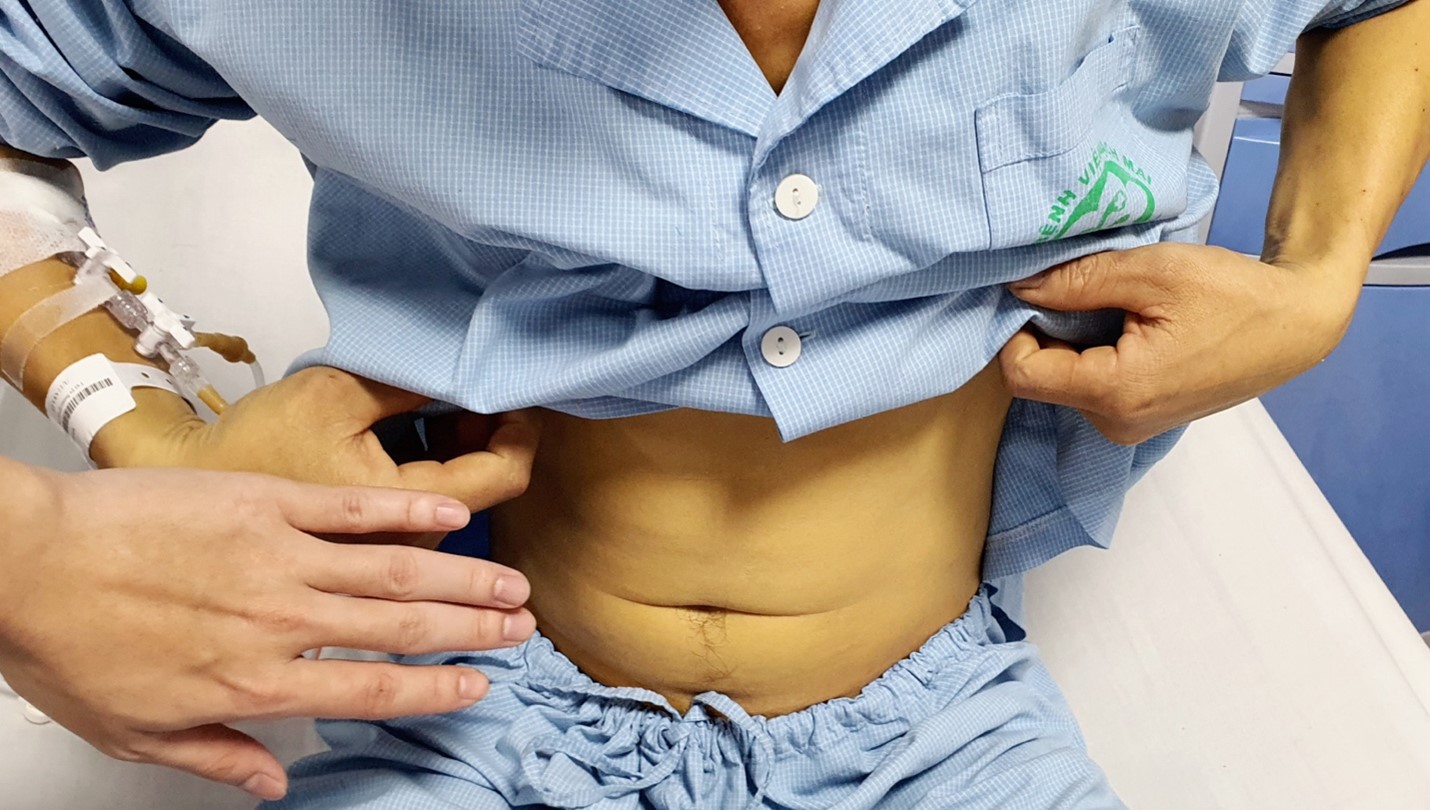 |
Patient with jaundice due to liver failure from consuming carp bile. Photo: Nguyen Ha. |
Doctor Nguyen explained that the bile from carp family species, such as black carp, grass carp, common carp, and silver carp, contains the toxin 5α-cyprinol. This compound is highly stable, retaining its toxicity even after cooking. When ingested, this substance severely irritates the digestive tract, damages kidney tubules, and liver cells. Victims face a high risk of death if not treated promptly. Additionally, bile from sturgeon, salamanders, frogs, and animals like pigs and snakes poses similar risks.
Beyond chemical toxins, animal bile also harbors bacteria, viruses, and parasites. Pathogens from animals often differ significantly from human microorganisms, leading to false negative results in routine hospital tests. In fact, doctors have encountered numerous cases of severe hepatitis after consuming pig bile but could not identify the cause due to a lack of scientific data and suitable specialized testing kits. Diagnosis and treatment become complex, causing significant disadvantage for patients.
Experts strongly advise people to abandon the practice of consuming bile from fish or any animal. During food preparation, the gallbladder must be completely removed. If bile ruptures, the area should be thoroughly rinsed multiple times under running water, and food should always be cooked thoroughly to minimize infection risk.
Le Nga