Brazil has approved Butantan-DV, a dengue vaccine with a one-dose regimen. This single injection is designed to protect against all four serotypes of the dengue virus.
Trial data published in the *New England Journal of Medicine* and *The Lancet* reveal that the vaccine underwent nearly 10 years of testing with 16,000 volunteers across Brazil. Utilizing a weakened virus, the vaccine stimulates the body to produce immunity without causing illness. In its final trial phase, the vaccine demonstrated an overall efficacy of 74.7% and a 91.6% effectiveness against severe forms of the disease.
Currently, Butantan-DV is indicated for individuals aged 12 to 59. It is not yet approved for pregnant women, immunocompromised individuals, or the elderly. Data on its efficacy in these groups are under review by Brazilian regulatory authorities.
The vaccine is scheduled to be integrated into Brazil's national immunization program starting early 2026, with over one million doses already prepared. Experts believe this new vaccine will significantly improve access for people in remote areas compared to two-dose alternatives. Thanks to Butantan-DV, indigenous communities will not need to make multiple trips to healthcare facilities, requiring only one injection at a community health post.
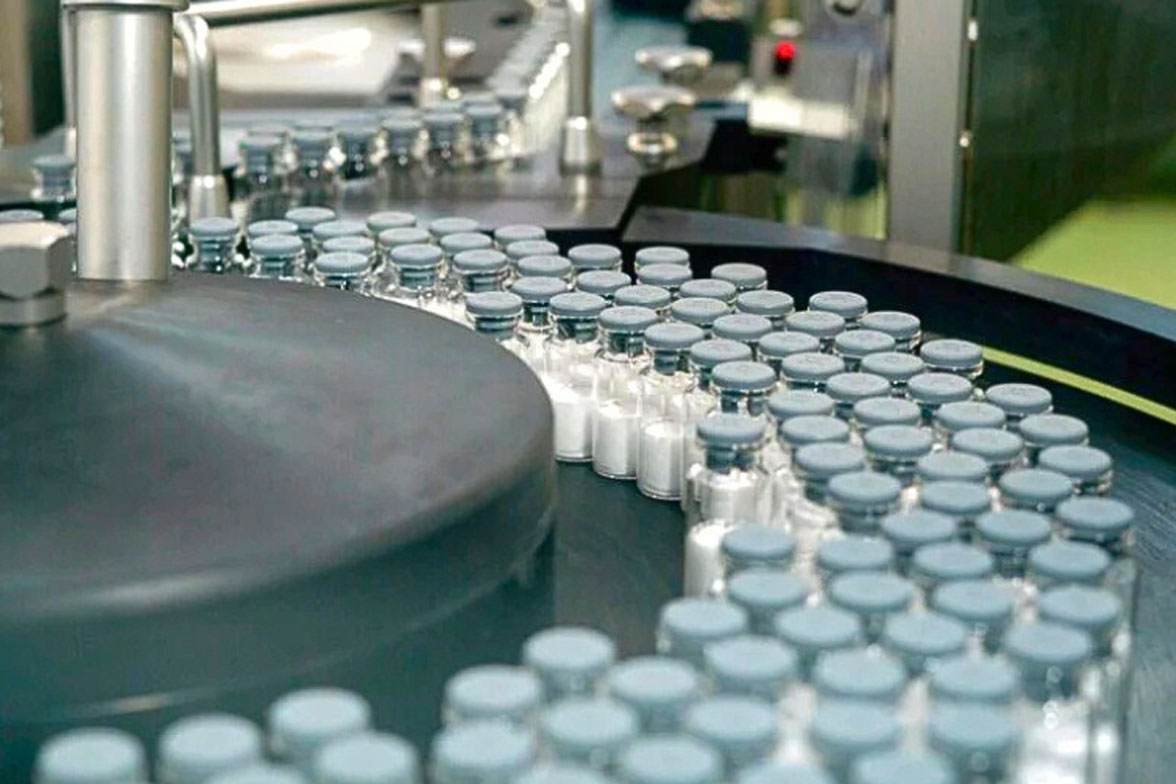 |
Dengue vaccine in production at the Butantan Institute, with over one million doses already packaged. Photo: *SciDev*.
This approval marks a significant advancement following Brazil's largest dengue outbreak in 2024. Esper Kallas, Director of Butantan, considers the vaccine a "powerful weapon" against the mosquito-borne disease that has plagued Brazil for decades.
However, the vaccine cannot entirely eradicate the disease. Climate change and urbanization create favorable conditions for the Aedes aegypti mosquito, the primary vector. Epidemiology experts suggest that Brazil must continue surveillance and invest in measures to reduce mosquito reproduction.
Over the next two years, Butantan plans to collaborate with WuXi Vaccines (Trung Quoc) to produce 60 million doses, with one-half expected to be completed before the end of 2026. The institute also intends to supply the vaccine to other countries in the region once domestic demand is met.
In 2024, the World Health Organization (WHO) reported over 14 million dengue cases globally, with 12.6 million in Latin America, resulting in over 8,000 deaths. Brazil alone recorded nearly 6.5 million dengue cases and close to 6,000 deaths in 2024, its highest levels ever. In early 2025, dengue cases continued to surge, leading the state of Sao Paulo to declare an emergency.
Prior to this, Brazil had approved two other vaccines to control dengue. The first, Dengvaxia, is administered only to individuals who have previously had dengue due to the risk of increased severity in those who have not been infected. The second, Qdenga, can be given to both previously infected and uninfected individuals but requires two doses spaced three months apart, posing challenges for treatment adherence.
Van Ha (According to Gavi, SciDev)