Dr. Truong Huu Khanh, Vice Chairman of the Ho Chi Minh City Infectious Diseases Society, shared this medical information regarding the prevention of respiratory illnesses in children. Children can contract respiratory syncytial virus (RSV) from the first days after birth, while pneumococcal bacteria can cause illness from about 2-3 months of age.
 |
Several domestic studies indicate a high prevalence of RSV and pneumococcus in children with severe respiratory illnesses. A study of 138 children aged 2-24 months hospitalized with severe pneumonia at Children's Hospital 1 from 11/2021 to 8/2022 showed that nearly 50% tested positive for pneumococcus and 31,9% for RSV. Another study involving 467 children with pneumonia, with an average age of 15,4 months, at Thai Binh Children's Hospital, reported 25% positive for RSV and 45% infected with pneumococcus. Beyond pneumonia, children also face a risk of meningitis. For instance, at the National Children's Hospital during 2015-2021, an average of 19-48 cases per year, up to 71,9% of pneumococcal meningitis cases were in children under one year old.
Furthermore, RSV and pneumococcus can act synergistically, worsening a child's condition. When a child contracts RSV, the ciliated cells in the airway become damaged, reducing the body's ability to clear pathogens. This allows pneumococcus to adhere, penetrate deeper, and increase the risk of severe pneumonia. A 2015 study in the United States, based on data from over 700.000 RSV hospitalizations and 16.000 pneumococcal pneumonia hospitalizations, indicated that RSV infection could increase pneumococcal pneumonia cases by over 20% in children under one year of age.
Given these facts, Dr. Khanh emphasized the need for early protection of young children against these two respiratory pathogens, especially during their early life when their immune systems are still developing.
RSV spreads rapidly through respiratory droplets from coughing or sneezing, or via contact with contaminated surfaces. Pneumococcal bacteria cause infections such as pneumonia, meningitis, sepsis, and otitis media.
 |
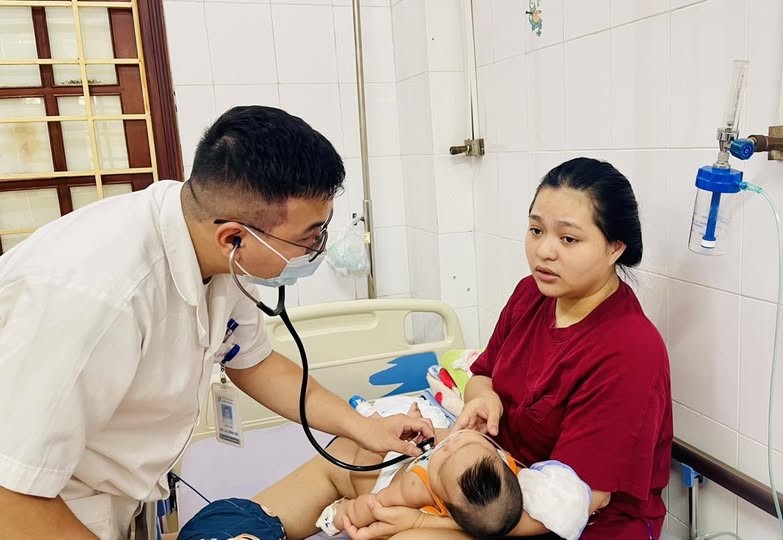
A doctor examines a 3-month-old baby with severe pneumonia and respiratory failure due to RSV. Photo: Ha Nam General Hospital |
Children infected with RSV often present with mild symptoms like nasal congestion, fever, cough, poor appetite, and irritability. However, their condition can rapidly worsen to bronchiolitis or pneumonia within two to three days, requiring hospitalization and mechanical ventilation. Even after recovery, children remain at risk of recurrent wheezing, asthma, and long-term lung function impairment.
The World Health Organization (WHO) estimates that RSV causes over 3,6 million hospitalizations and 100.000 deaths annually in children under 5 years old, with nearly half occurring in infants under 6 months. Most children contract RSV within their first two years of life, with about 70% infected before 12 months of age.
Pneumococcus has over 100 serotypes and commonly resides in the nasopharynx of both sick and healthy individuals. This bacterium causes a range of illnesses, from mild to severe, including pharyngitis, otitis media, sinusitis, pneumonia, meningitis, and sepsis. Of the 1,6 million annual deaths caused by pneumococcus, 700.000 to one million occur in children under 5 years old.
Based on these findings, Dr. Khanh asserted that young children require early protection against dangerous respiratory pathogens, especially in early life when their immune systems are still immature. Regarding preventive measures, Dr. Bach Thi Chinh, Medical Director of the VNVC Vaccination System, stated that Vietnam now has full access to advanced and effective prevention solutions for RSV and pneumococcus, including vaccines and monoclonal antibodies.
For pneumococcus, children can begin vaccination from 6 weeks of age. New-generation vaccines protect against multiple pathogenic bacterial serotypes, such as 13, 15, and 20, expanding the coverage against prevalent pneumococcal serotypes currently prioritized for use.
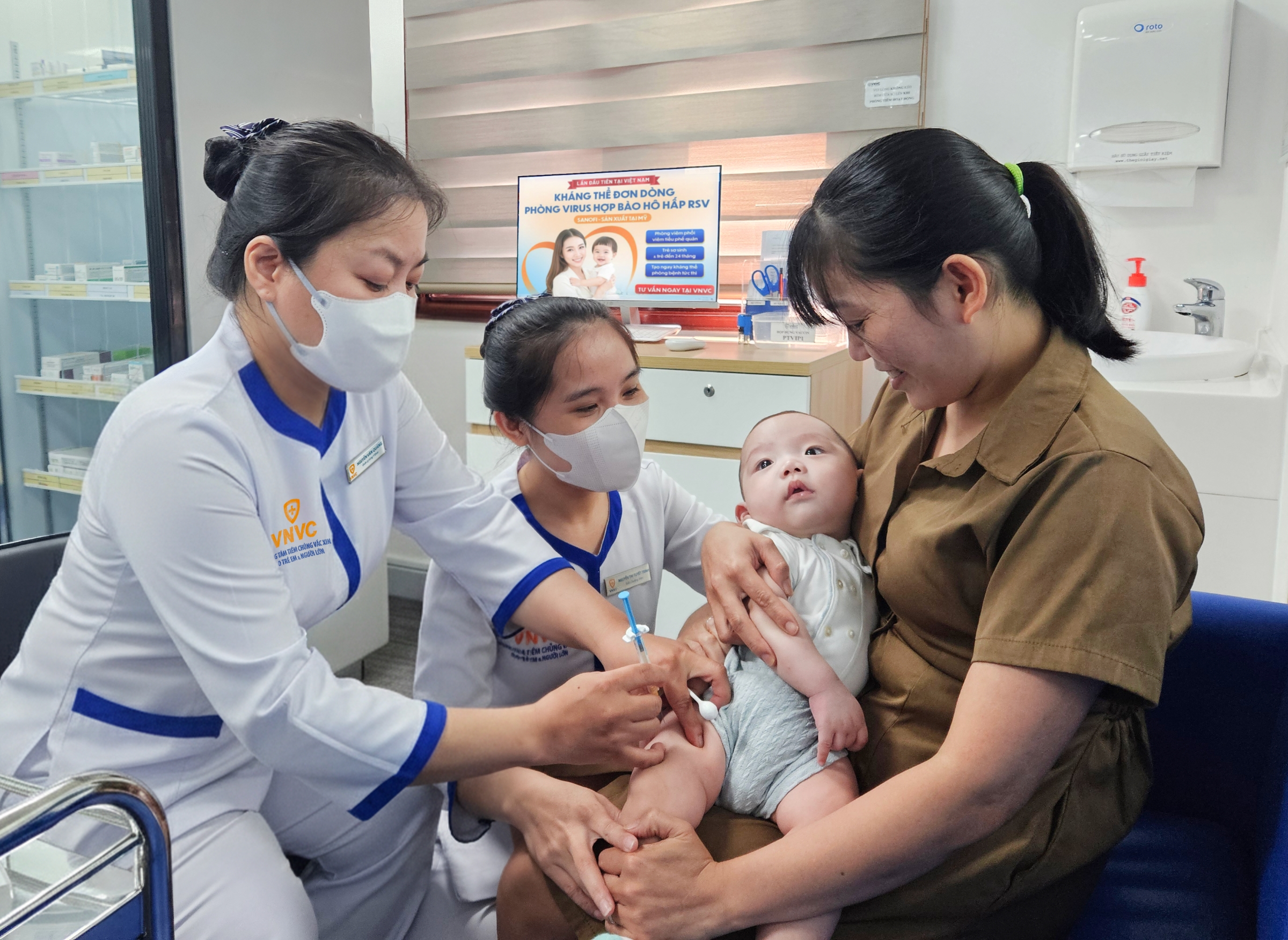
For RSV, a pathogen that lacked effective prevention solutions for 60 years, the world has made significant progress by recently implementing a "dual protection" strategy. This involves administering the RSV vaccine to pregnant women between weeks 24-36, which helps transfer passive antibodies to protect infants in their first months of life. RSV monoclonal antibodies can be injected into children from one day old up to 24 months of age, providing direct protection without requiring time for antibody production.
Hoang Duong