Many people, after receiving health check results showing elevated cholesterol, immediately switch to a bland diet. However, for some, their LDL (bad cholesterol) levels not only fail to decrease but actually skyrocket out of control.
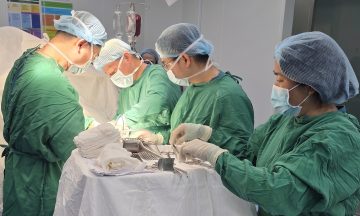
Doctor Hoang Hien published an in-depth analysis of this issue. He emphasized that when discussing elevated cholesterol, the problem is not actually about "fats and oils" but rather three often-overlooked factors: refined carbohydrates, genetic predisposition, and fiber deficiency. When sugar intake is too high and fiber too low, cholesterol can become uncontrollable, regardless of how "clean" one's diet appears.
Doctor Hoang Hien shared on his personal page that he frequently receives questions from patients in his clinic: "Why are my cholesterol levels higher even though I eat a very bland diet?" He frankly admitted that many mistakenly believe that simply avoiding fats and meat will obediently lower cholesterol.
"That's incorrect. Many people's blood lipid levels actually become even more uncontrolled after switching to this so-called 'bland' diet," Doctor Hien stated.
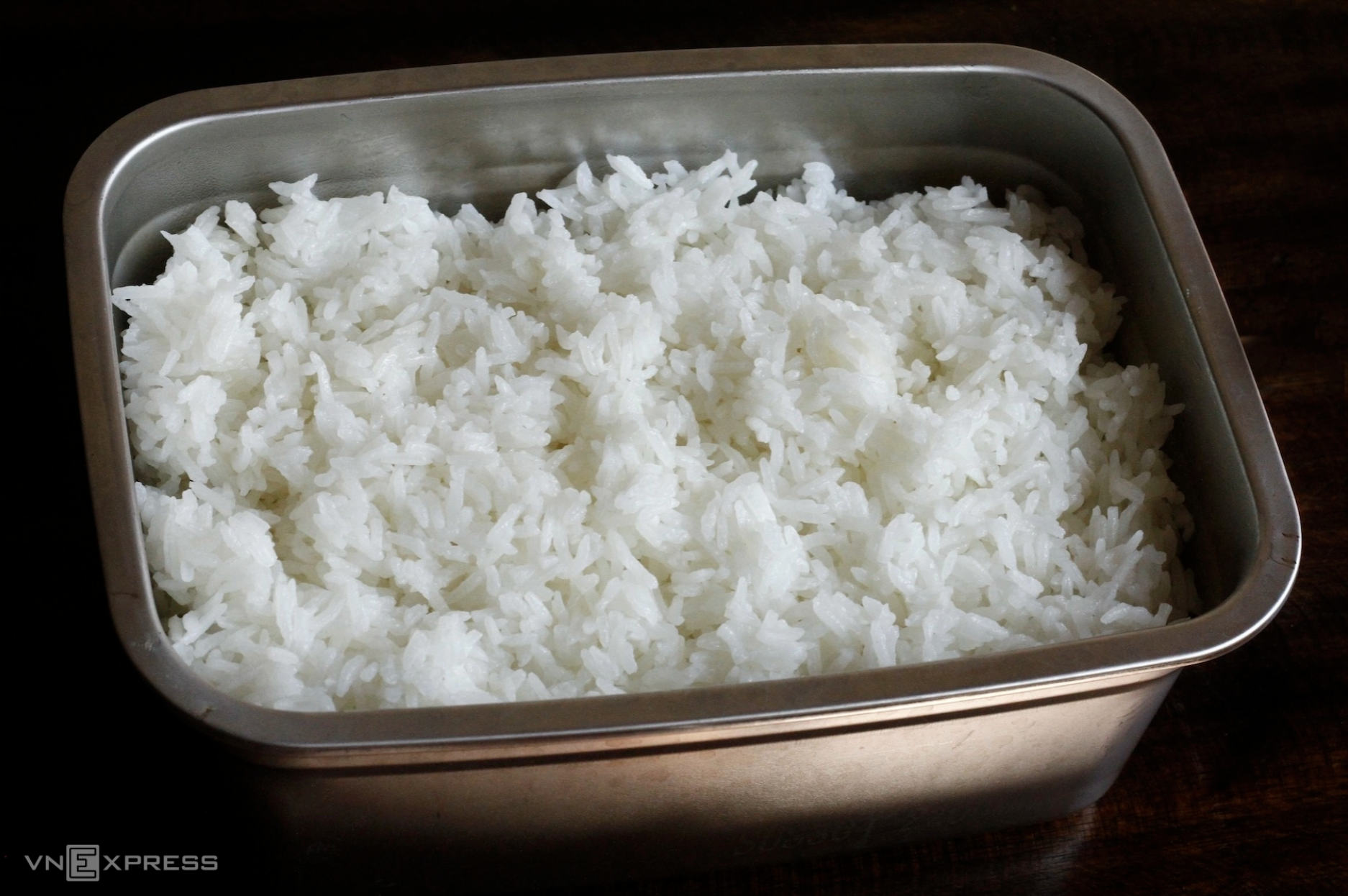 |
Refined carbohydrates elevate insulin levels, stimulating the liver to synthesize more cholesterol. *Bui Thuy* |
Three hidden culprits causing bad cholesterol to skyrocket
According to Doctor Hoang Hien, elevated LDL levels may not be due to fats, but rather stem from:
Refined carbohydrates – the silent pusher: These are the real cause of elevated insulin levels, which then stimulate the liver to synthesize more cholesterol.
Genetic factors – everyone's "starting line": Genes determine the baseline cholesterol threshold. Some individuals have congenital familial hypercholesterolemia, meaning their cholesterol levels will remain high regardless of how healthy their diet is.
Fiber deficiency: Soluble fiber (found in oats, legumes, green vegetables, etc.) helps excrete bile acids, effectively "flushing" cholesterol out of the body. However, modern intake often falls short of even half the recommended amount.
Effective dietary strategy
Doctor Hoang Hien emphasized that a truly effective dietary strategy is not about simply eating bland foods, but rather about meal structure. He offered specific advice:
Breakfast: Prioritize high fiber + protein (e.g., oats + yogurt).
Lunch: Use good oils + plenty of green vegetables (e.g., olive oil + large quantity of vegetables).
Dinner: Low sugar + controlled starch (the starch portion should be no larger than the size of a fist).
In reality, many people's problem isn't consuming too much fat, but rather "eating the wrong proportions." The doctor concluded: "When sugar intake is too high and fiber too low, no matter how clean your diet appears, cholesterol will still protest."
My Y (According to Mirror Media)