Doctor Duong Minh Tuan, from the Department of Endocrinology and Diabetes at Bach Mai Hospital, states that in the early stages, simply adopting appropriate lifestyle changes can significantly improve blood fat indicators. In lipid panel tests, the two most frequently mentioned indicators are ldl-cholesterol and hdl-cholesterol.
Ldl-cholesterol is commonly known as "bad" cholesterol. When ldl levels in the blood are high, cholesterol can gradually deposit onto artery walls. Over time, these deposits form atherosclerotic plaques, narrowing blood vessels and obstructing blood flow. If a plaque ruptures, it can lead to a heart attack or stroke.
Conversely, hdl-cholesterol is considered "good" cholesterol. Hdl acts like a "cleanup crew" in the body, collecting excess cholesterol from the blood and vessel walls, then transporting it back to the liver for processing and elimination.
"Therefore, the goal of a healthy lifestyle is to reduce ldl and increase hdl", the doctor states.
The doctor provides guidance on safe dietary practices to reduce fat:
Limit animal fats
Many people, upon hearing they have high blood fat, immediately cut out all fats. The crucial aspect is not consuming less fat, but choosing the right types. Fats from animal sources, chicken skin, offal, and repeatedly fried foods can increase ldl-cholesterol and should be limited.
Conversely, certain fats are beneficial for cardiovascular health, such as those found in marine fish, olive oil, avocados, and nuts like almonds or walnuts. These unsaturated fats help improve blood lipids when consumed appropriately.
Increase green vegetables and fruits
A diet rich in fresh vegetables and fruits is almost always included in cardiovascular health recommendations. Produce provides soluble fiber, which helps reduce cholesterol absorption from the intestines into the bloodstream. Additionally, these foods contain numerous antioxidants that protect blood vessel walls.
A simple yet effective rule: At least half of each meal plate should consist of vegetables.
Garlic contains compounds that can mildly reduce cholesterol. Green tea is rich in antioxidants beneficial for heart health. In traditional medicine, lotus leaves are also commonly used in teas to help lower blood fat.
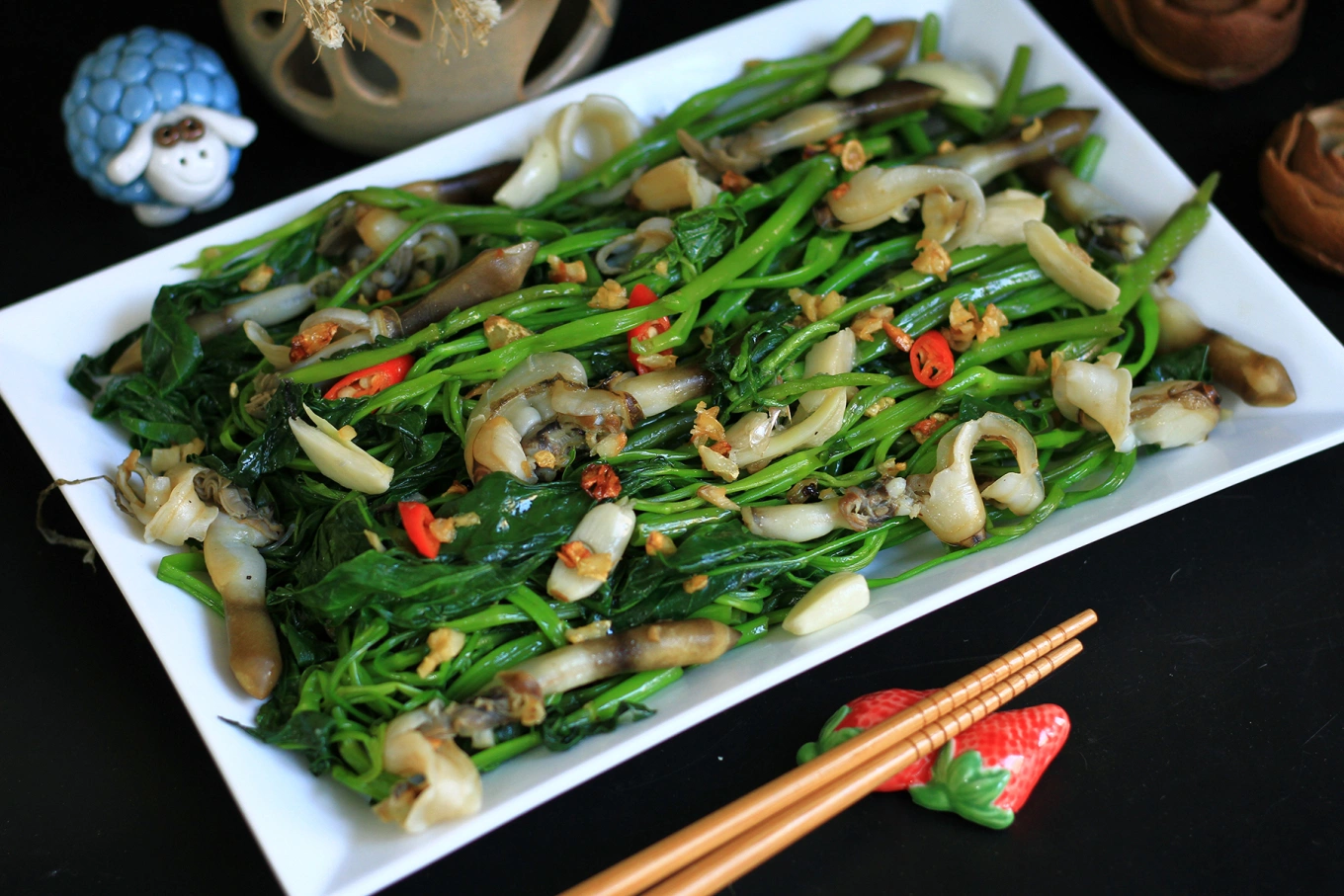 |
To reduce fat, people should increase green vegetable intake and limit starches. *Photo: Bui Thuy* |
Reduce sweets and refined starches
Many believe high blood fat is solely linked to dietary fat, but sugar and refined starches also contribute to elevated triglycerides.
Excessive consumption of foods like soft drinks, milk tea, candies, white bread, or white rice can lead the liver to produce more fat. Prioritize slow-absorbing starches such as oats, brown rice, sweet potatoes, or whole grains.
Walk daily
Among all measures to improve blood fat, physical activity is perhaps the most effective, yet often overlooked.
Brisk walking, cycling, swimming, or any regular physical activity can help increase hdl ("good" fat), reduce triglycerides, and improve sugar and fat metabolism. Just 30 minutes of brisk walking daily can initiate positive changes in the body.
Note:
Blood fat levels do not change in just a few days. Typically, it takes two to three months of maintaining a healthy lifestyle to see clear improvements in tests. These changes not only help reduce blood fat but also lower the risk of cardiovascular disease, diabetes, and many other chronic conditions.
Thuy An