Tran currently weighs over 80 kg. Despite trying many diets without success, she sought treatment for obesity at Tam Anh General Hospital in Ho Chi Minh City. Dr. Truong Thi Vanh Khuyen, from the Department of Endocrinology and Diabetes, stated that Tran's body mass index (BMI) is 34, indicating the highest level of obesity. She also suffers from stage two fatty liver disease, dyslipidemia, and elevated liver enzymes, in addition to polycystic ovary syndrome, a complication of long-term obesity. If she does not lose weight, elevated liver enzymes could lead to hepatitis and cirrhosis, and polycystic ovary syndrome could reduce her future fertility.
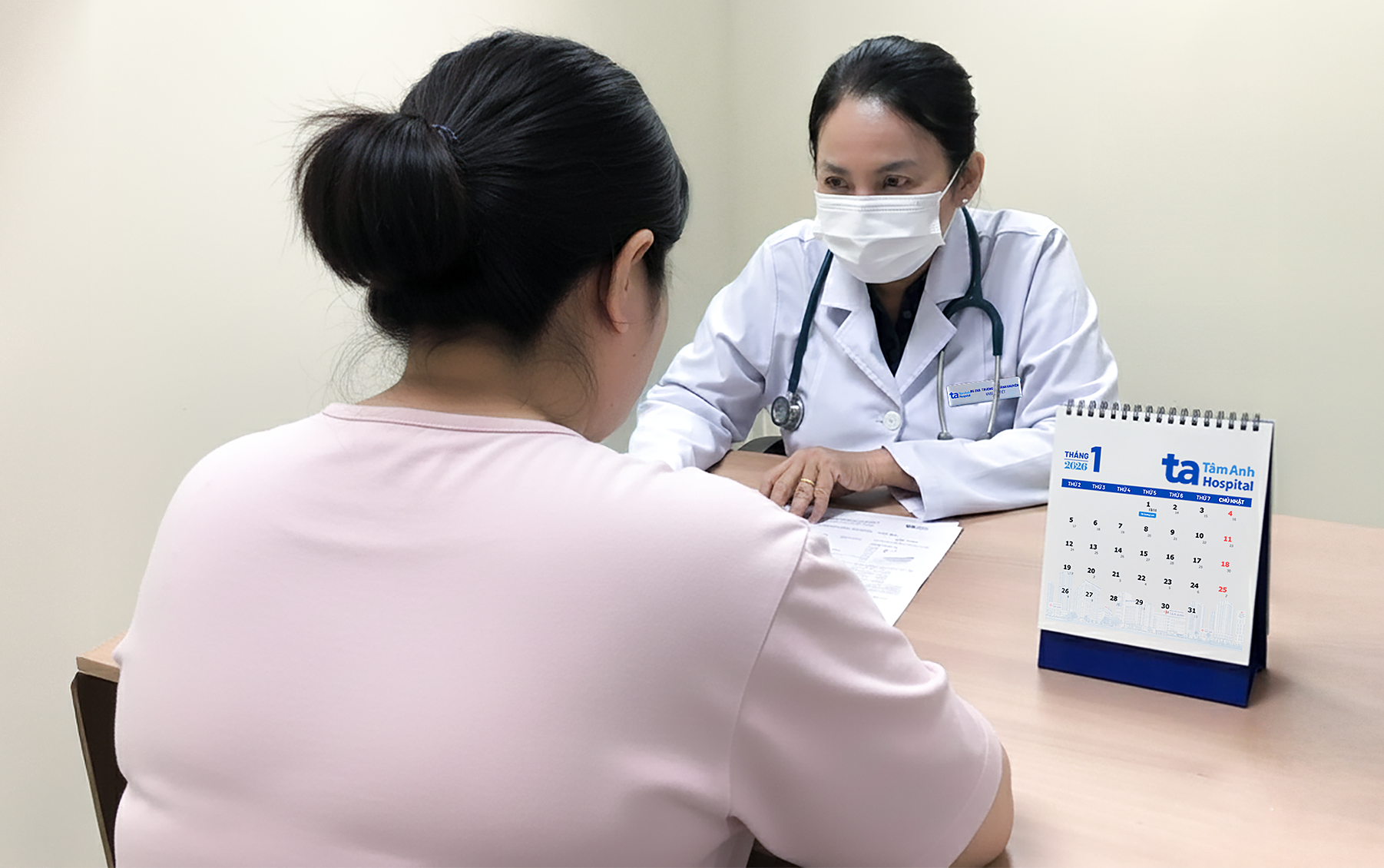 |
Dr. Khuyen advises Tran on her weight loss regimen. Photo: Tam Anh General Hospital
The doctor developed a multi-modal weight loss regimen for Tran, combining oral and injectable medications to reduce appetite and promote satiety. This is integrated with a structured diet and exercise plan guided by a specialist.
Tran adhered to guidelines to reduce unhealthy fats and sugar, and increase vegetables. Instead of eating three main meals, she divided her intake into several smaller meals throughout the day, spaced three to four hours apart. She prioritized lean protein and fiber for satiety and muscle gain. She also joined a running group, starting with one kilometer and gradually increasing to 3-5 kilometers. After one month, Tran lost 4 kg. Three months later, her weight was 67 kg, and her body was more toned. Tran's goal is to reach 55 kg by Tet (Lunar New Year).
Dr. Khuyen noted that obesity is a medical condition requiring treatment, not merely a matter of appearance. Overweight and obese individuals should pursue scientific weight loss under a doctor's guidance, avoiding self-medication with unregulated weight loss drugs and extreme dieting, as these can easily lead to weight regain instead of loss.
Duc Hanh
*Patient's name has been changed
| Readers can submit questions about endocrine diseases here for doctors to answer. |