Eng English
China 中国人

Eng English
China 中国人
  • News
  • World
  • Business
  • Entertainment
  • Sports
  • Law
  • Education
  • Health
  • Lifestyle
  • Travel
  • Science
  • Digital
  • Automobiles
  • Trở lại Thể thao
  • Health
Tuesday, 9/6/2026 | 17:52 GMT+7

Professor who self-treated brain cancer dies at 59

Professor Richard Scolyer, who courageously became a 'guinea pig' to test a pioneering brain cancer therapy, has died at 59, concluding an inspiring battle.

Richard Scolyer, a world-renowned cancer research expert, passed away on the evening of 7/6 in Australia, according to The Guardian. His death at 59 concludes an inspiring life journey and a valiant battle against glioblastoma.

Before his passing, Professor Scolyer penned a letter expressing profound gratitude to his family, the people of Australia, and the international community for their support throughout his fight. His departure marks the end of a powerful, inspiring journey, yet it simultaneously opens new avenues of hope for global medicine.

Following Scolyer's death, Australian Prime Minister Anthony Albanese, along with numerous colleagues and medical experts, expressed deep sorrow over the loss of an exceptional intellect and a great personality.

The late professor's unique medical journey began in May 2023 when he received a diagnosis of inoperable grade 4 glioblastoma, an aggressive form of brain cancer with a survival prognosis rarely exceeding one year. Instead of adhering to traditional treatment protocols, Professor Scolyer, alongside his close colleague Professor Georgina Long, proactively devised a bold, unprecedented treatment plan. He became the world's first brain cancer patient to undergo a combined pre-surgical immunotherapy approach, coupled with a personalized vaccine designed specifically for his tumor's characteristics. This innovative treatment aimed to train his immune system to destroy malignant cells.

Professor Scolyer and his family on Christmas morning at the Greenway Parkrun event. Photo: Instagram/profrscolyer

This method had only previously been tested on animals and a small group of neuroblastoma patients. The medical gamble yielded promising initial results, rendering him cancer-free for 10 months, far exceeding doctors' initial prognoses.

However, in early 2025, his condition relapsed with clear neurological damage. By March, a CT scan confirmed the brain tumor's progression, just before he was due to participate in a 4-day charity bike ride in Tasmania. Despite facing this challenge, the professor maintained an optimistic spirit, affirming he still had much work to accomplish.

Professor Scolyer's courage in becoming a clinical trial subject not only extended his own life but also made significant contributions to global cancer research. Previously, he and Professor Georgina Long were jointly named "Australian of the Year 2024" for their groundbreaking work in applying immunotherapy to treat advanced melanoma. The expert also received the New South Wales Premier's Award for Outstanding Cancer Research 9 times.

In his final letter, the late professor expressed his wish that his story would ease the battle against illness for future generations of patients. He hoped to be remembered as an ordinary Australian who always gave his best, thereby inspiring the community to pursue their passions with compassion and humility.
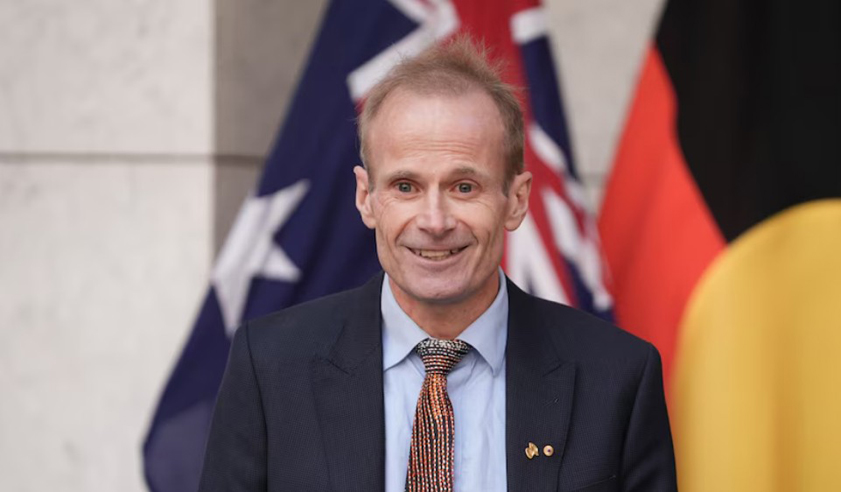
Professor Richard Scolyer passed away on the evening of 7/6 at 59. Photo: ABC News/Matt Roberts

By Binh Minh (based on reports from The Guardian, Independent, ABC News)

By VnExpress: https://vnexpress.net/giao-su-tu-chua-ung-thu-nao-qua-doi-o-tuoi-59-5083753.html
Tags: Self-experimentation with new methods glioblastoma passed away cancer research expert Professor Richard Scolyer Australia self-experimentation with cancer vaccine

News in the same category

Three optimal times to drink lemon water

Three optimal times to drink lemon water

Drinking lemon water in the morning, after meals, and post-workout are the three best times for health benefits.

4-year-old boy needs plasma exchange after frequent paracetamol use

4-year-old boy needs plasma exchange after frequent paracetamol use

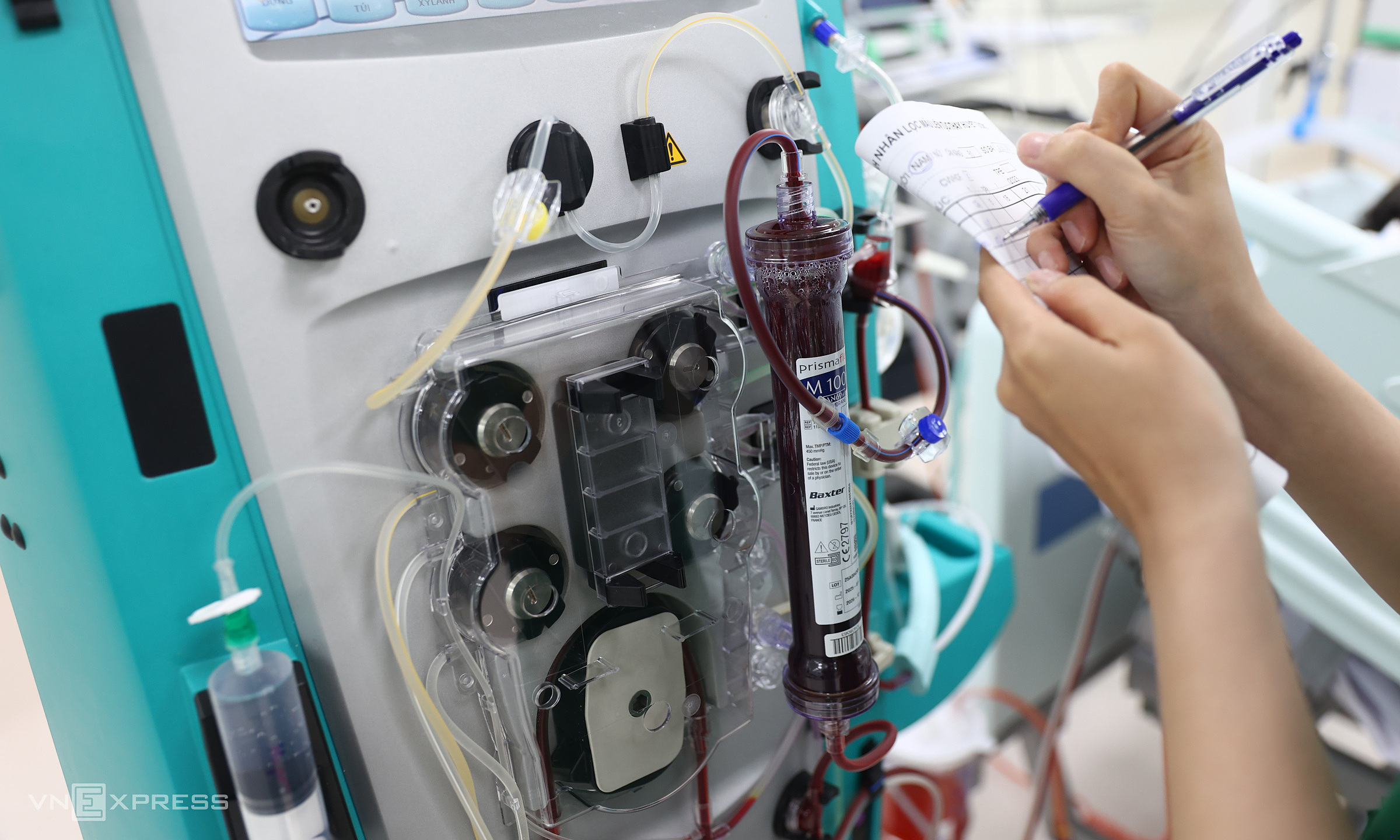
A 4-year-old boy developed acute liver failure and coagulopathy after his family repeatedly administered paracetamol for fever, approximately three hours apart. He was saved through plasma exchange and continuous hemodialysis.

How to make beneficial smoothies for people with diabetes

How to make beneficial smoothies for people with diabetes

People with diabetes should drink a smoothie rich in fiber, protein, and healthy fats, which can help stabilize blood sugar levels.

four phone habits that can harm your eyes

four phone habits that can harm your eyes

Scrolling on your phone in the dark, staring at the screen for too long, or forgetting to blink are common habits that can lead to dry, tired eyes and temporary blurry vision.

6 habits that increase the risk of heart arrhythmia

6 habits that increase the risk of heart arrhythmia

Staying up late, prolonged stress, excessive coffee consumption, and a lack of minerals like potassium and magnesium can lead to a rapid heartbeat or arrhythmia.

Does eating sprouted potatoes cause food poisoning?

Does eating sprouted potatoes cause food poisoning?

My family bought many potatoes to eat gradually. After a few weeks, some had sprouted but were still firm. If I peel them clean and cook them, will it cause food poisoning? (Thuy An, TP HCM)

Signs of severe diarrhea in children requiring medical attention

Signs of severe diarrhea in children requiring medical attention

Children experiencing diarrhea accompanied by lethargy, high fever, frequent vomiting, or bloody stools may show signs of severe illness and require immediate medical examination.

A 7-year-old girl contracts mumps from her father

A 7-year-old girl contracts mumps from her father

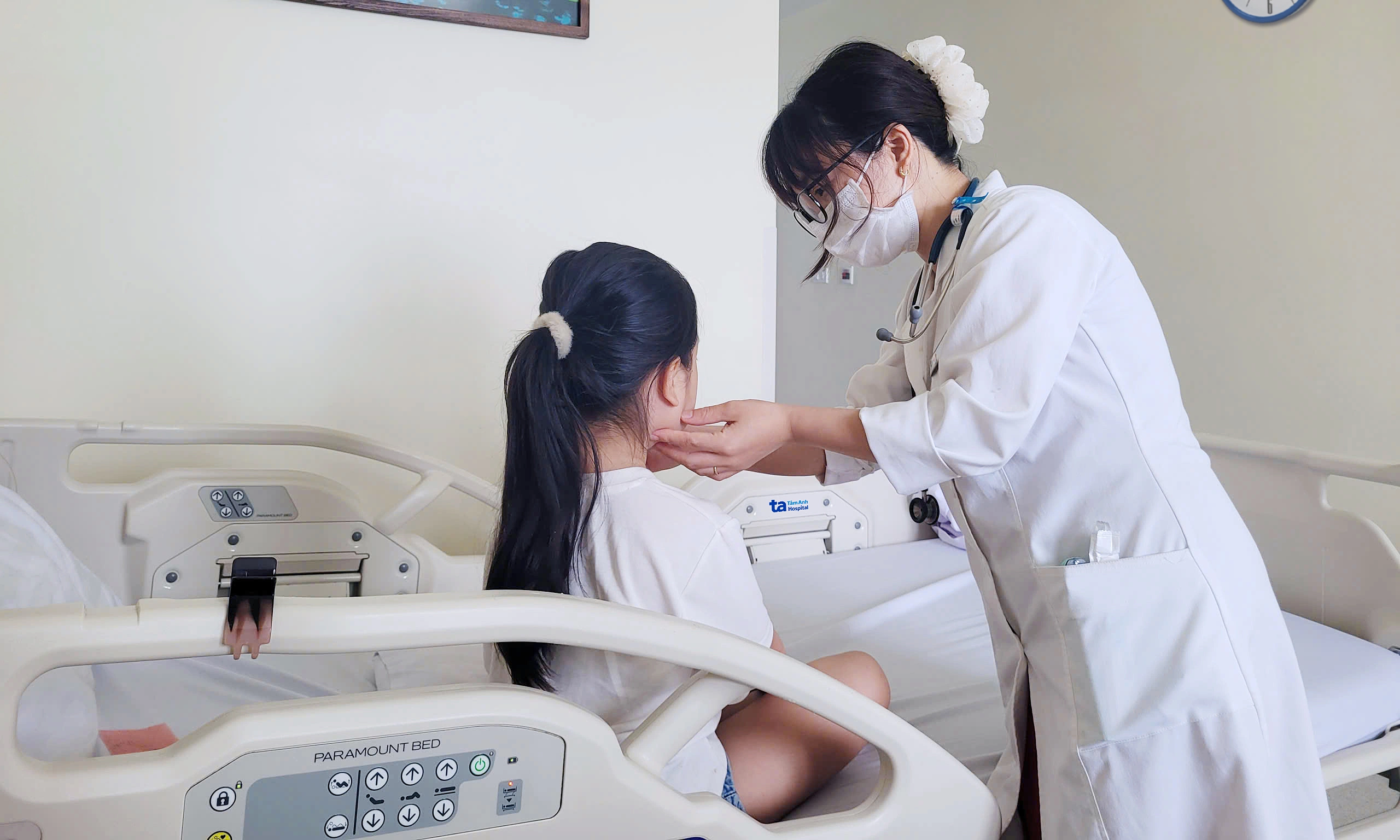
Ten days after her father contracted mumps, 7-year-old Mai developed a fever of 39 degrees Celsius and swelling with pain in both parotid glands, leading doctors to diagnose her with an infection from him.

Proposal for health insurance to cover nutritional therapy for cancer patients

Proposal for health insurance to cover nutritional therapy for cancer patients

Approximately 20% of cancer patients die from malnutrition before tumor progression, while the cost of nutritional therapy is primarily self-funded by patients. Doctors propose early health insurance coverage for this expense.

Three years, two cancer diagnoses

Three years, two cancer diagnoses

Ms. Ngoc, 61, who was undergoing hormone therapy for breast cancer, was unexpectedly diagnosed with cervical cancer.

Eng English
China 中国人
  • News
  • World
  • Business
  • Entertainment
  • Sports
  • Law
  • Education
  • Health
  • Lifestyle
  • Travel
  • Science
  • Digital
  • Automobiles
FPT Tower, 10 Pham Van Bach Street, Dich Vong Ward,
Cau Giay District, Hanoi, Vietnam
Email: contacts@vnportal.net
Tel: 028 7300 9999 - Ext 8556
Advertise with us: 090 293 9644
Register
© Copyright 2026 vnnow.net. All rights reserved.
Terms of use Privacy policy Cookies