Diarrhea is one of the common illnesses in children, especially during the summer and rainy seasons. Most cases are caused by viruses and can improve with proper rehydration. However, in some children, the illness progresses rapidly, leading to dehydration within hours and necessitating hospitalization.
Doctor of Medicine, Level II Specialist Vu Dinh Phuong An, from the Pediatrics Unit at Tam Anh General Clinic District 7, highlights the signs of severe diarrhea that require immediate medical attention for children.
**Dehydration**
Dehydration is a dangerous and common complication in children with diarrhea. Young children, particularly those under two years old, dehydrate faster than adults due to their higher body water content and lower fluid reserve capacity.
Parents should be vigilant if a child is excessively thirsty but drinks little or refuses to drink, has sunken eyes, dry lips and tongue, cries without tears, urinates infrequently, or has not urinated for many hours. Some children may appear exhausted, lethargic, sleep excessively, have cold hands and feet, or cry persistently.
Without timely rehydration and electrolyte replacement, children are at risk of hypovolemic shock, acute kidney failure, and even life-threatening complications.
**Frequent Stools, Bloody Stools**
A child having over 10 bowel movements daily, with stools containing a lot of mucus, blood, or turning black, accompanied by high fever or severe abdominal pain, are warning signs of a severe gastrointestinal infection. Dr. Phuong An advises parents against self-administering anti-diarrhea medication or antibiotics, as this can worsen the condition.
After an examination, the doctor assesses the degree of dehydration, orders blood tests, stool tests, or abdominal ultrasounds as needed to determine the cause. This helps decide whether the child requires rehydration, electrolyte replacement, intravenous fluids, or appropriate medication.
Parents should record the number of bowel movements, stool characteristics, vomiting, fever, and the amount of fluid the child drinks to provide to the doctor, aiding in more accurate diagnosis and treatment.
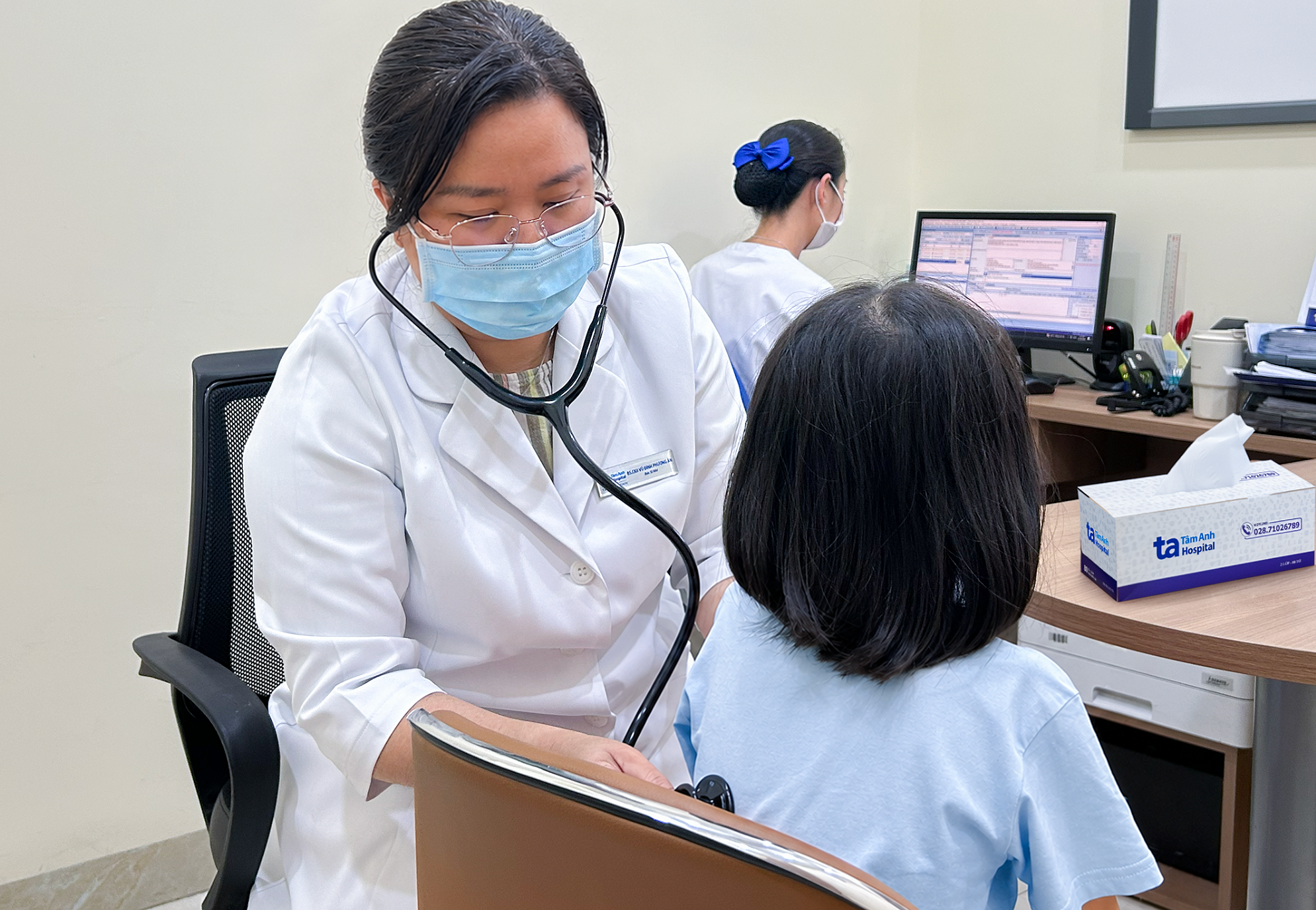 |
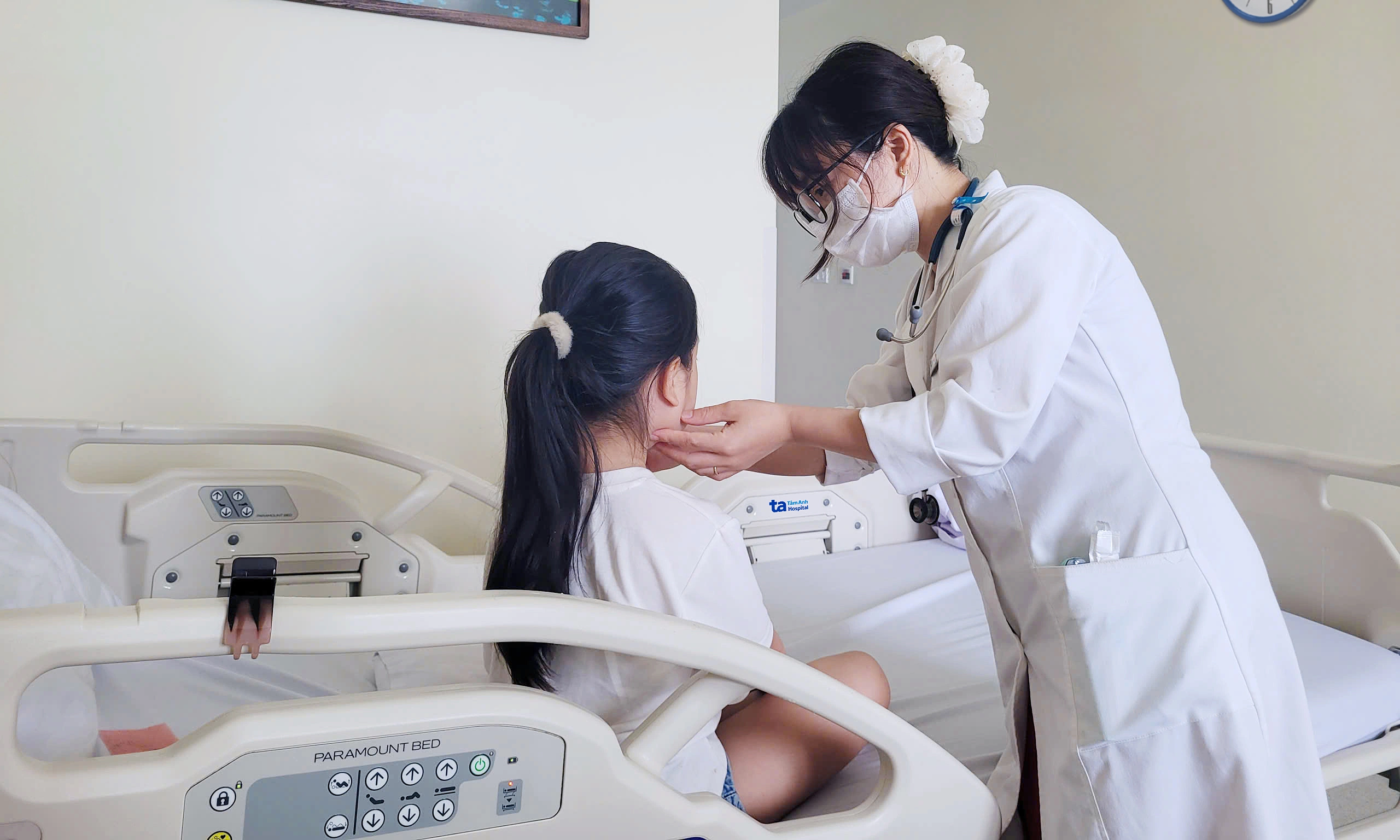
Dr. An examining a child at Tam Anh General Clinic District 7. Illustration: Trung Vu |
**Persistent Vomiting**
Children who vomit frequently, immediately after eating or drinking, and cannot retain fluids or food are at risk of rapid dehydration. Parents should avoid giving children large amounts of food at once. Instead, offer small sips of oresol solution or water, following manufacturer instructions and doctor's orders, to replenish fluids and electrolytes. If the child continues to vomit, cannot drink oresol, or vomits with lethargy, parents must take the child to the hospital for a doctor to assess dehydration and electrolyte imbalance for timely treatment.
**High Fever, Lethargy**
Children need immediate hospitalization if they have a fever of 39 degrees C or higher, accompanied by convulsions, profound lethargy, excessive sleepiness, difficulty waking, or unusual fussiness. These could indicate a severe gastrointestinal infection or another dangerous condition requiring urgent intervention.
Children under 6 months old, premature infants, those with malnutrition, obesity, congenital heart disease, or compromised immune systems are at higher risk of rapid disease progression and require close monitoring.
For children with mild diarrhea, who are breastfeeding or eating normally, have no high fever, and show no signs of dehydration, home care can be provided under a doctor's guidance.
Dr. Phuong An reminds parents not to give children anti-diarrhea medication or antibiotics without a doctor's prescription, as this can prolong or worsen the diarrhea. Breastfed infants should continue to be breastfed actively. Older children need to maintain a nutritious diet, divided into many small meals, using soft, easily digestible foods like porridge, soup, and soft rice, while limiting oily, fried foods, and sugary drinks.
The most important thing is to recognize early warning signs of severe diarrhea to ensure timely rehydration, electrolyte replacement, and hospital admission for the child.
At Tam Anh General Clinic District 7, children receive a comprehensive assessment, combined with laboratory tests and diagnostic imaging when necessary, to identify the cause of diarrhea and develop a suitable treatment plan.
Minh Tam