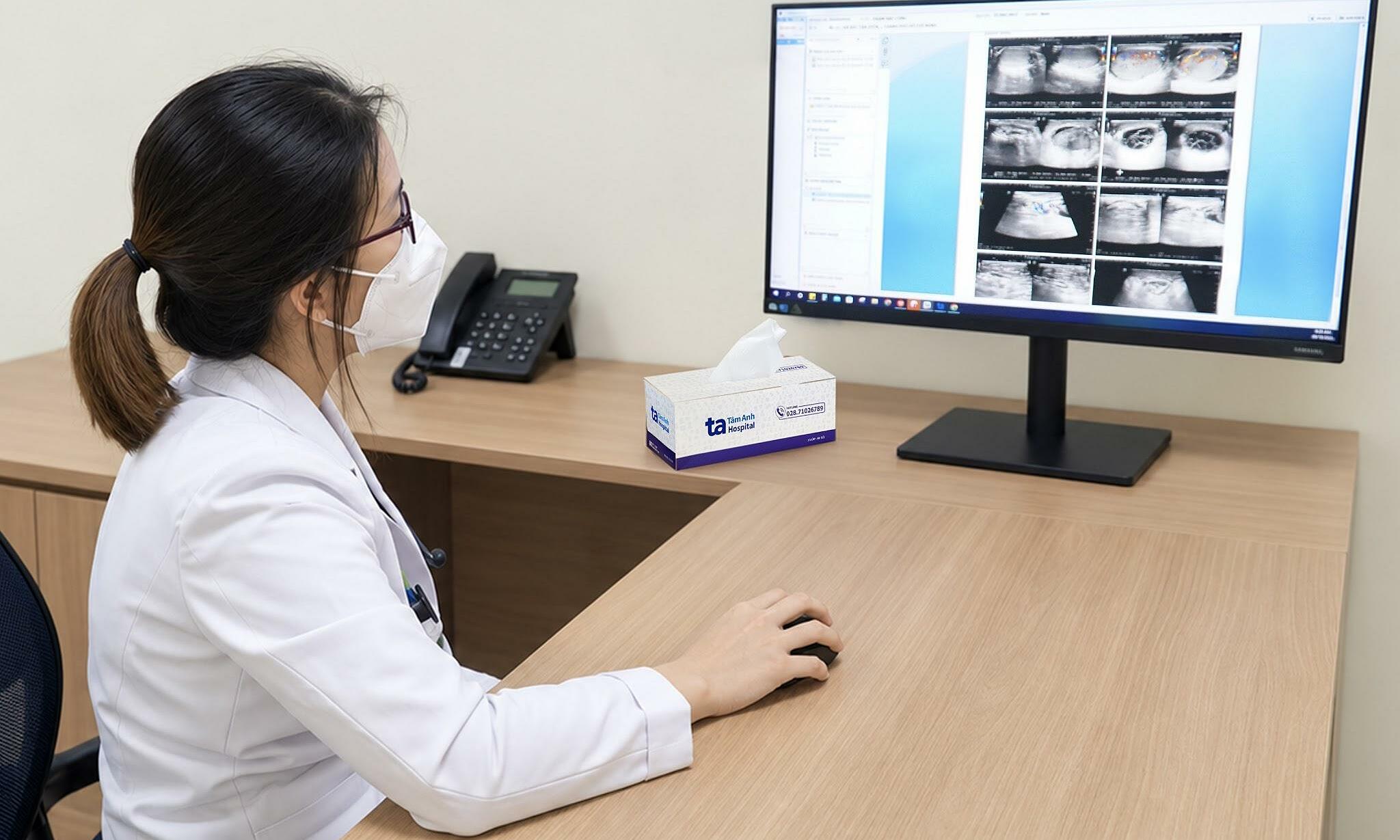
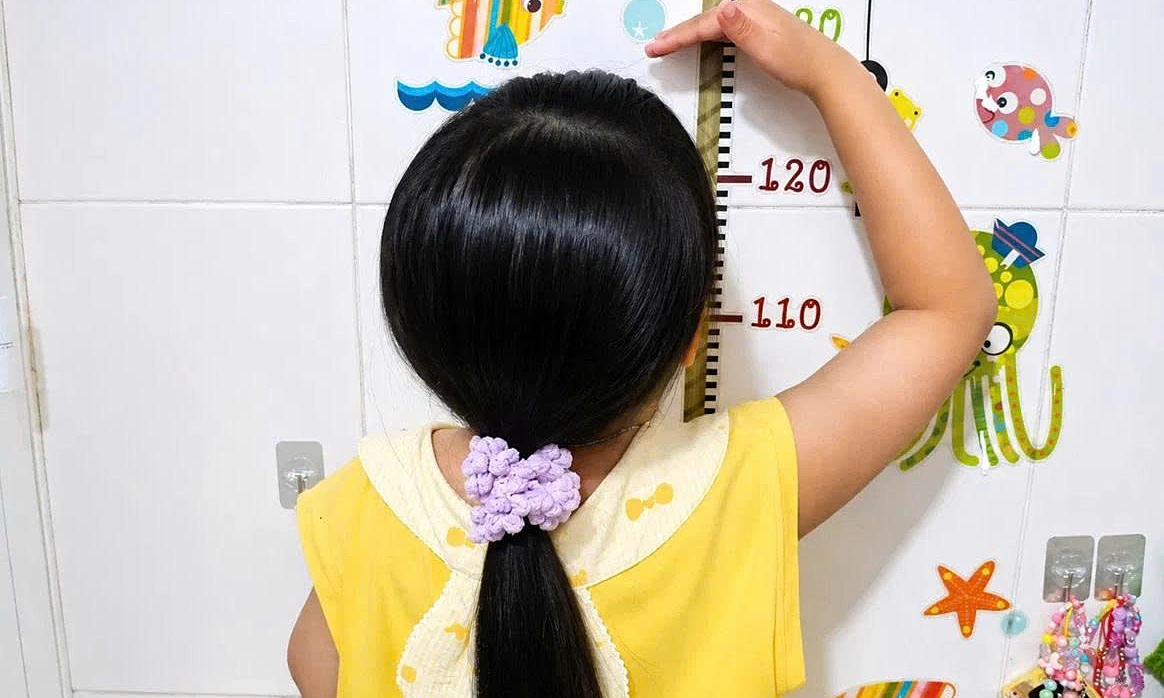
Test results for mumps IgM at Tam Anh General Hospital Hanoi confirmed the presence of specific antibodies to the mumps virus, identifying the girl's illness. The family, consisting of four members – the grandmother, parents, and the girl – faced an unexpected challenge. About 10 days before Mai fell ill, her father was diagnosed with mumps, though the source of his infection remained unknown. During this period, Mai had frequent close contact and shared meals with her father. She had not received the measles-mumps-rubella (MMR) vaccine. Currently, her mother and grandmother show no symptoms.
Master, Doctor Than Thi Thuy Linh from the Department of Pediatrics explained that mumps is an acute infectious disease caused by the mumps virus, primarily spreading through respiratory droplets when an infected person coughs, sneezes, or talks. Direct contact with saliva or nasal and throat secretions also facilitates transmission. The virus spreads rapidly in shared living environments, especially among family members. Individuals who have never had the disease or are unvaccinated face a high risk of infection when in close contact with an infected person.
While mumps predominantly affects children, unvaccinated adults can also contract the disease and become a source of infection for younger individuals. It is important to note that not everyone exposed to a mumps patient will contract the disease. Those who have previously had mumps or are fully vaccinated typically possess protective immunity. The risk of infection also depends on the degree of close contact with the patient.
Mai received medical treatment combined with supportive care, including fever reducers, pain relievers, and anti-inflammatory medications. She was also advised to rest and maintain adequate nutrition. Doctors closely monitored her for warning signs of complications such as meningitis, pancreatitis, or damage to other organs. Fortunately, after three days of treatment, her fever subsided, and the swelling and pain in her parotid glands decreased. Her appetite improved, her health stabilized, and no complications were noted, leading to her discharge from the hospital.
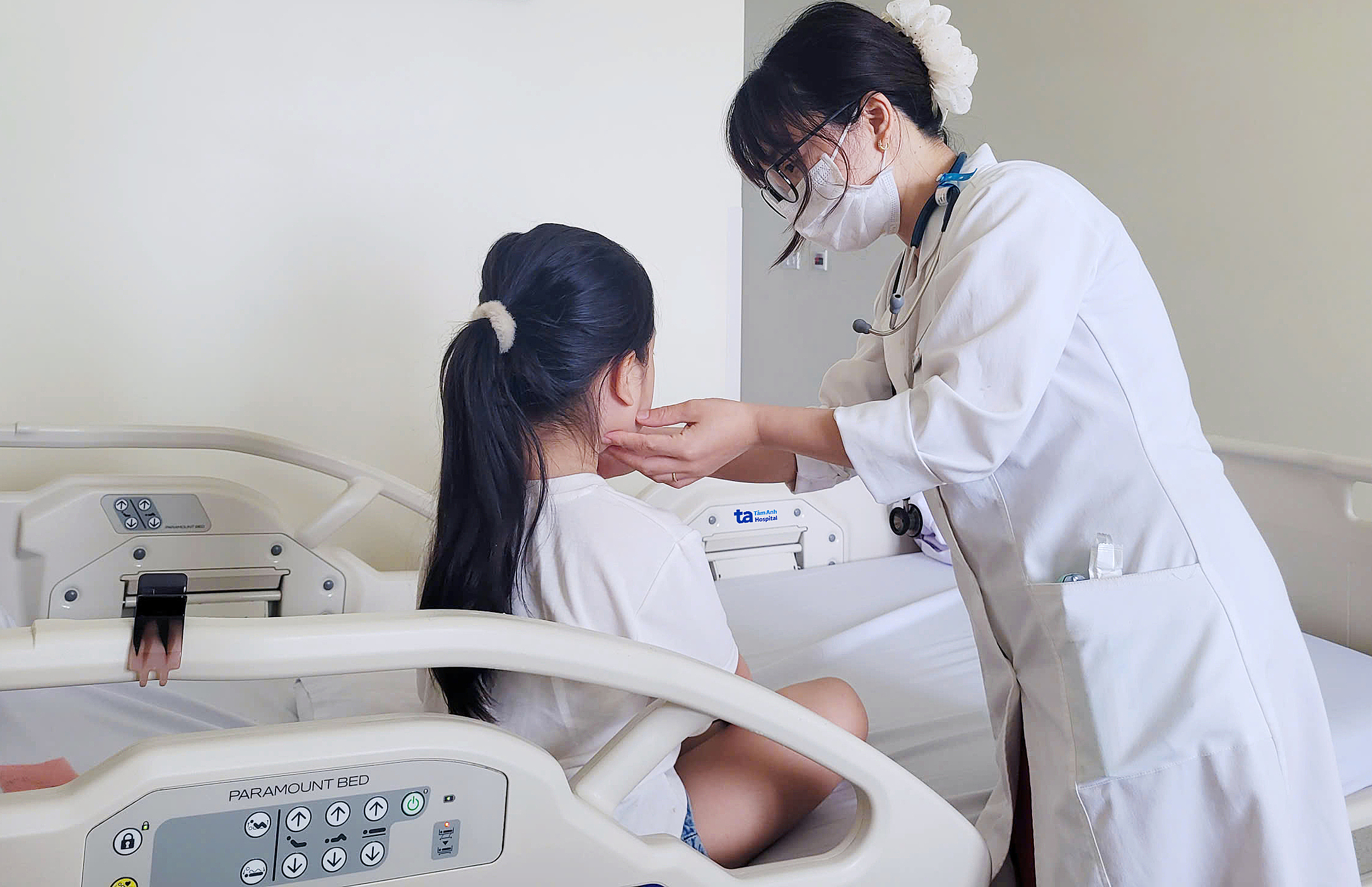 |
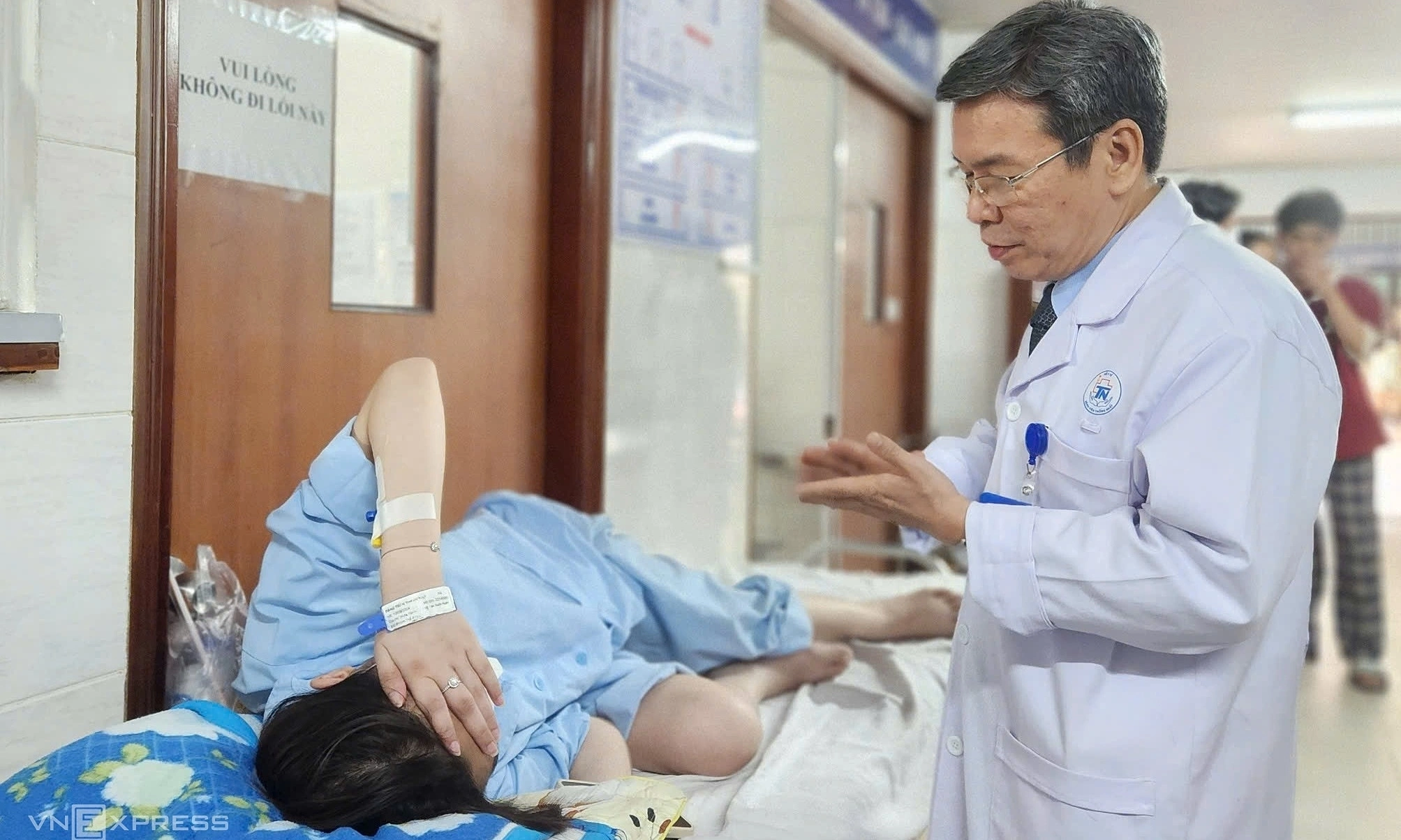
Doctor Linh re-examines the girl before discharge. Photo: Tam Anh General Hospital |
Young children with mumps generally experience milder symptoms compared to adults, with most recovering within one to two weeks with proper care. The incubation period for mumps typically ranges from 12 to 25 days, averaging about 16-18 days. Following this period, infected individuals commonly develop a fever, headache, and fatigue. This is usually followed by swelling and pain in one or both parotid glands, with the pain intensifying when chewing or swallowing.
Children in close contact with an infected person should be monitored for approximately 25 days. If a fever, parotid swelling and pain, or other suspicious symptoms appear, parents should seek early medical attention for their child. Crucially, children should receive all scheduled measles-mumps-rubella (MMR) vaccines. To prevent spread within households, if an adult family member contracts mumps, other members should avoid sharing beds or personal items. Infected individuals should limit close contact with young children, pregnant women, and those without immunity. Patients should wear masks during contact, cover their mouths when coughing or sneezing, and wash hands frequently. Maintaining a clean and well-ventilated home environment is also vital to reduce the risk of transmission.
Thuy Hanh
| Readers can send questions about children's diseases here for doctors to answer. |