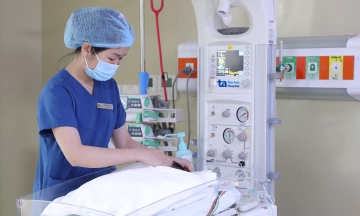
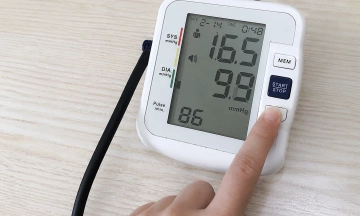
This is a key proposal within a draft circular, currently under public consultation by the Ministry of Health. The circular defines the list of tests, paraclinical services, and conditions for inter-facility recognition of results among health insurance-covered medical examination and treatment facilities.
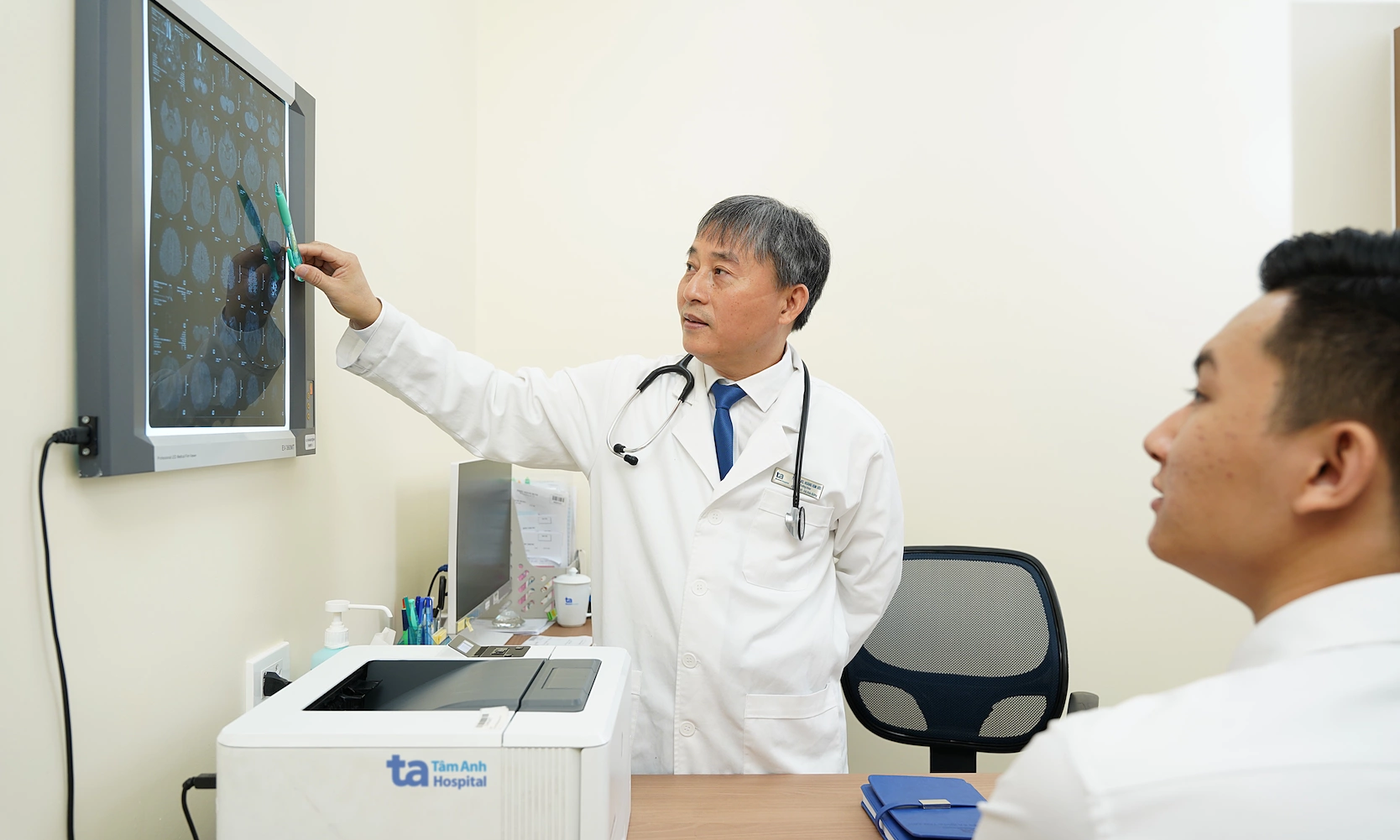
The list encompasses over 400 techniques in four categories: biochemistry, hematology-transfusion, microbiology-parasitology, and radiology. This proposal expands the scope to include imaging data from x-rays, ct scans, and mris for shared use, a notable change from 2017 regulations that only covered test results.
The draft circular specifies validity periods for test results, starting from specimen collection by a nurse, and for radiology results, from image capture by a technician. Each technique has a specific timeframe. For instance, a blood urea test (evaluating kidney function) is valid for 24 hours, uric acid for 168 hours, and HbA1c – reflecting average blood sugar over three months – for 60 days.
Patients transferring between hospitals are the primary beneficiaries. The treating doctor at the receiving facility will assess the patient's condition to decide on reusing existing data or ordering new tests. Regulations require result slips to include full patient identification, details of the sample collector, the technician who performed the procedure, and the signature of the approver.
Healthcare facilities offering these services must hold an operating license and follow professional procedures to ensure accuracy. Hospitals are responsible for verifying and using these results when they meet professional standards.
The Ministry of Health stated that last year, tests and paraclinical services accounted for over 19% of total health insurance medical examination and treatment expenses, amounting to nearly 30 trillion Vietnamese dong. Reducing unnecessary repeat orders will help the insurance fund allocate resources more effectively and alleviate the burden on hospitals.
Patients directly benefit through reduced costs, shorter waiting times, fewer blood draws, and less x-ray exposure. This is particularly significant for elderly individuals, severely ill patients, and those who travel long distances for medical care.
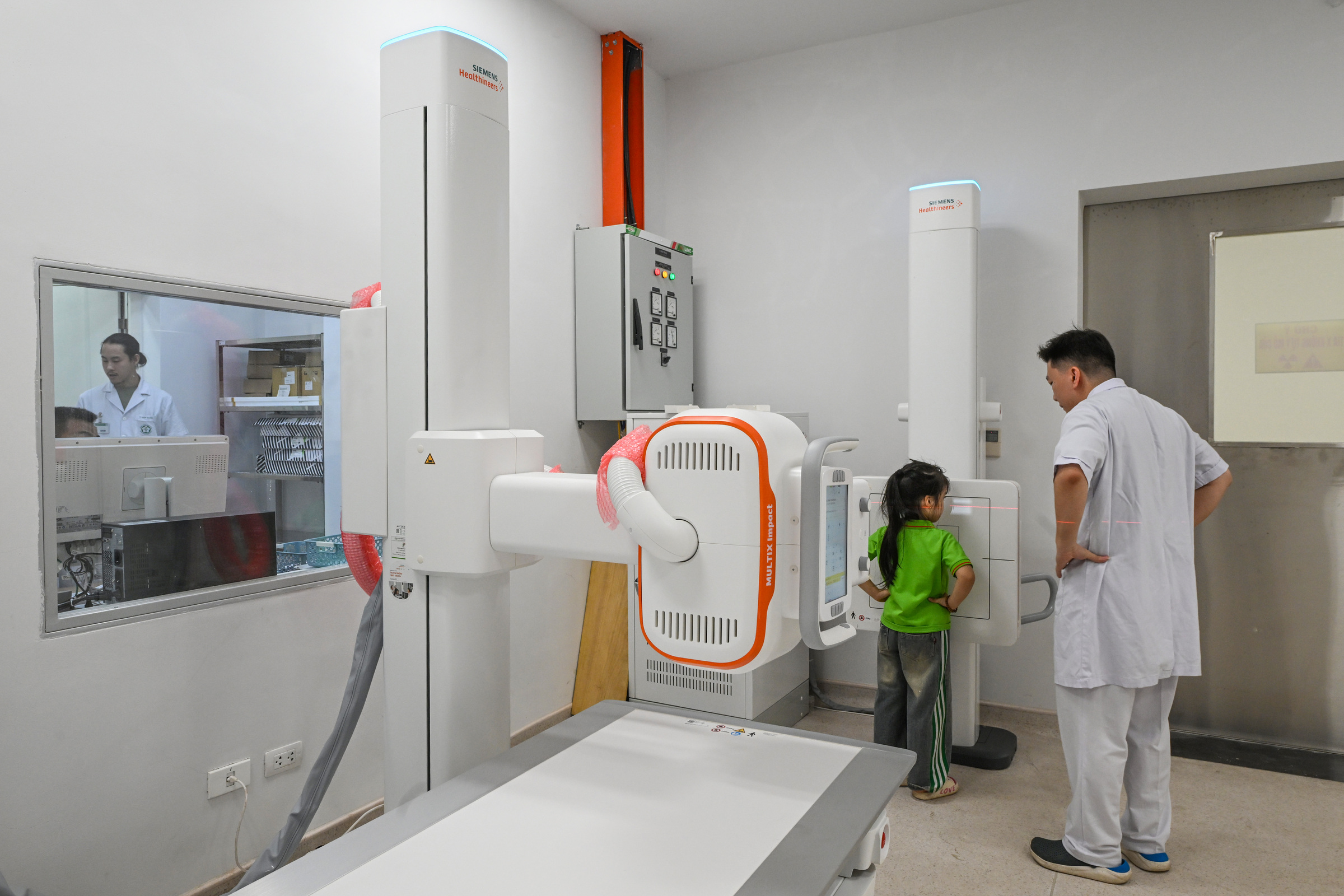 |
A medical technician guides a child patient preparing for an x-ray in a clinic. Photo: Giang Huy |
The country has about 3,000 laboratories. The Ministry of Health is standardizing quality at Class I hospitals and those directly under its purview, while local departments of health will assess other facilities. For diagnostic imaging, the Ministry will develop a separate quality management project. This will establish a legal framework for healthcare facilities to trust and mutually recognize each other's results once the circular is implemented.
Le Nga