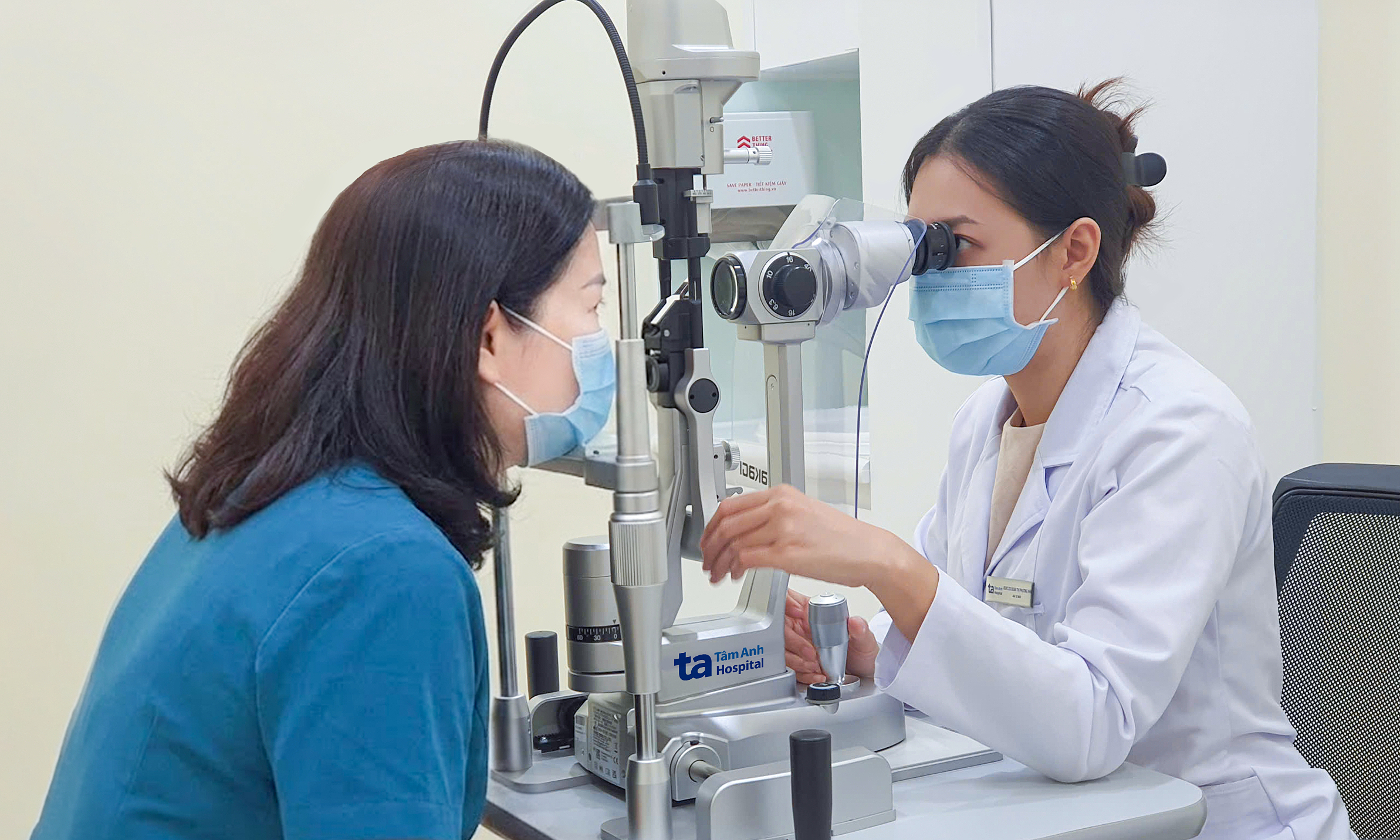
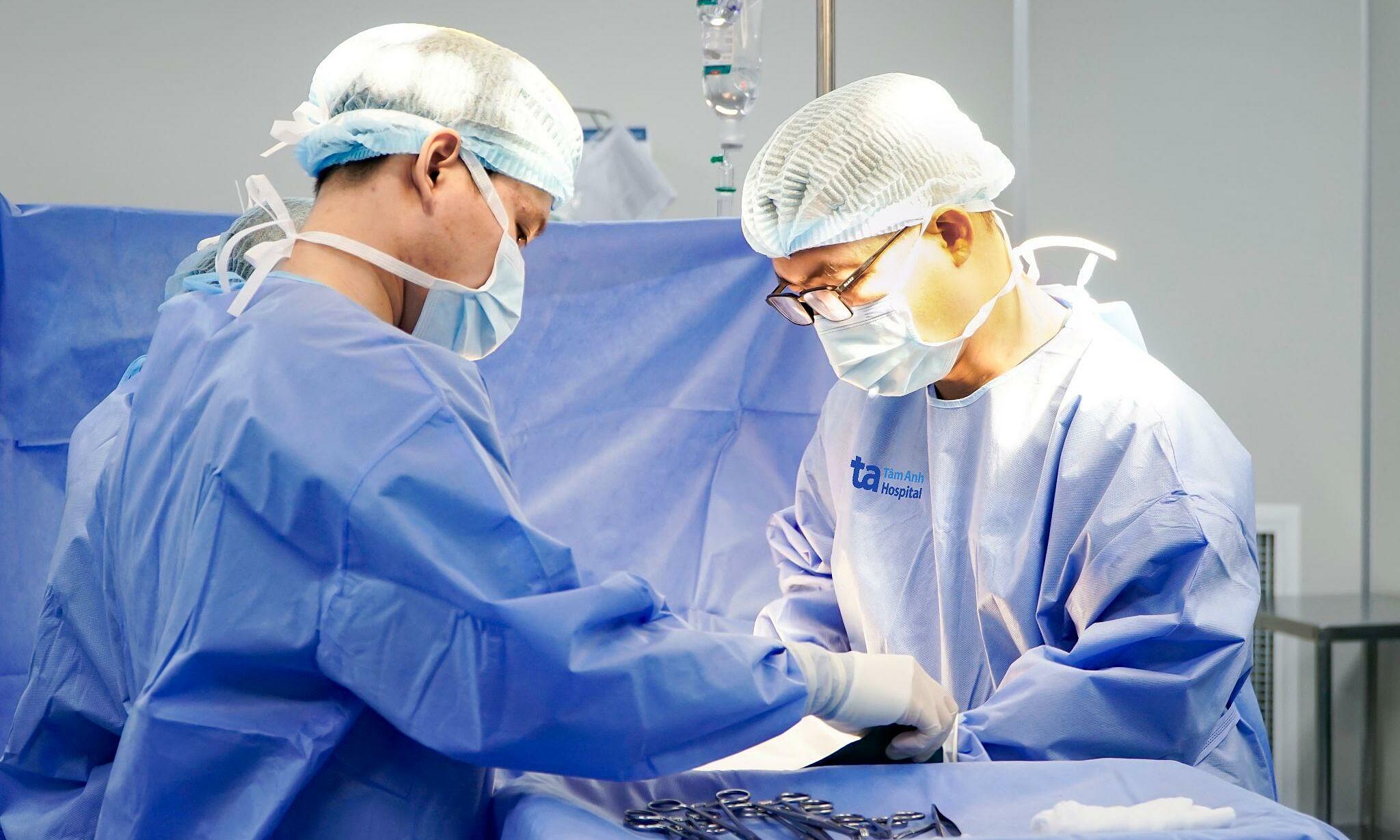
The city's People's Committee included this proposal in a draft resolution, published on the city's electronic information portal from 13/7 to 23/7 for public comment.
Under the proposal, doctors admitted to resident doctor training programs at public medical training institutions, selected based on the city's healthcare sector personnel needs, will receive 100% tuition fee support, not exceeding 100 million VND per person per academic year. The support period will correspond to the actual training duration, up to the maximum approved program length.
In addition to tuition, the city also proposes monthly living expense support, allowing doctors to focus on continuous study and clinical practice. Individuals pursuing specialties that are difficult to attract or have urgent personnel needs will receive an allowance equivalent to two times the minimum wage for Region I throughout their training.
The resident doctor program is a postgraduate training initiative for recent medical graduates, selected through a competitive examination. Over approximately three years, participants engage in both theoretical study and full-time clinical practice at hospitals under expert guidance. This prepares them to become specialized doctors with advanced expertise, forming a core workforce at tertiary hospitals.
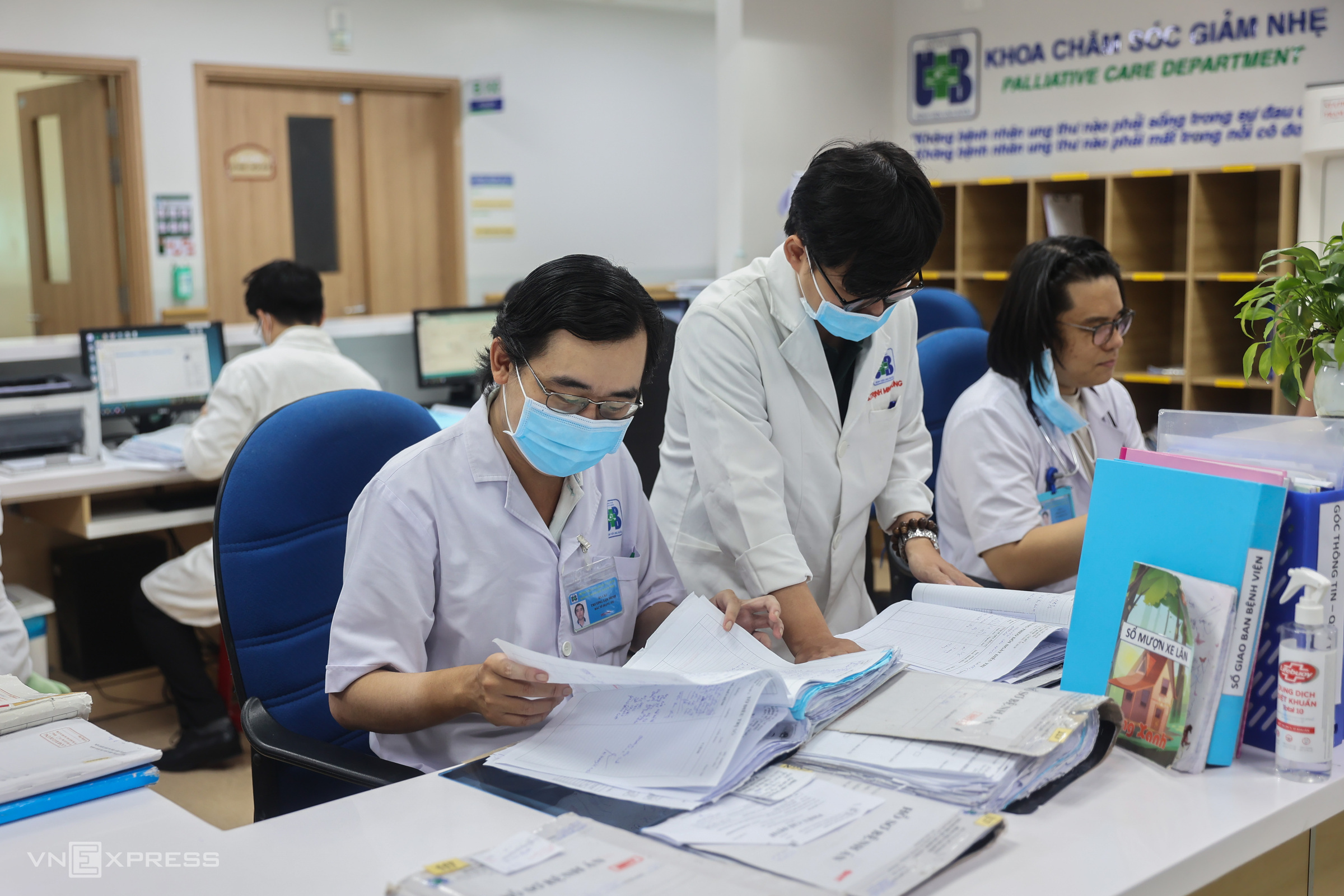 |
Medical staff working in the Palliative Care Department, Ho Chi Minh City Oncology Hospital, Campus 2. Photo: Quynh Tran. |
According to the Ho Chi Minh City People's Committee (UBND TP HCM), there is a significant demand for resident doctors with specialized training at general and tertiary hospitals, but the current supply is insufficient. Resident doctors currently constitute only 10-12% of the total doctors working in public hospitals. Many specialties, including emergency resuscitation, anesthesiology, cardiology, oncology, neurology, obstetrics, pediatrics, and diagnostic imaging, face a shortage of high-quality personnel.
The city recognizes that several specialties, such as emergency resuscitation, tuberculosis, anatomical pathology, psychiatry, oncology, neurology, and cardiology, have struggled for many years to recruit resident doctors. This is due to high work pressure, unique working environments, and inadequate compensation.
One reason the resident doctor program is less appealing is its approximately three-year duration. Trainees must simultaneously undertake theoretical study and full-time clinical practice at hospitals while covering their own tuition and living expenses, often without a stable income source. Consequently, many doctors do not continue working in the public healthcare system after graduation.
The need to develop a strong team of resident doctors has become more urgent following Ho Chi Minh City's expansion of its development area and healthcare system. The city requires more specialized doctors not only for tertiary hospitals but also for basic-level hospitals, especially in areas like Binh Duong and Ba Ria - Vung Tau, which previously faced difficulties attracting highly qualified doctors.
The UBND TP HCM believes that the tuition and living expense support policy will alleviate the financial burden on young doctors, encouraging them to pursue resident training programs. This policy will also cultivate a high-quality workforce for the public healthcare system, aligning with Ho Chi Minh City's goal of becoming a regional specialized medical hub.
Le Phuong