Thanks to their abundant fiber, apples have long been considered a golden fruit for maintaining a healthy digestive system. However, if eaten incorrectly, this fruit can unintentionally backfire. In an article on Japan's health website Yoga Journal, nutritionist Natsume Momoko, who has seven years of experience at a large hospital, pointed out five common mistakes many people make when eating apples: eating on an empty stomach, eating too much, eating cold apples, eating the peel when digestion is poor, and not chewing thoroughly.
According to Momoko, apples are rich in pectin, a type of water-soluble fiber that absorbs water, helps soften stool, and promotes smooth bowel movements. Eating apples with the peel allows the body to absorb the maximum amount of fiber, thereby maintaining a healthy intestinal environment. However, improper consumption can still lead to bloating.
The first mistake is eating apples on an empty stomach. Many busy individuals often choose to eat an apple first thing in the morning for a quick and detoxifying start. However, the abundant fiber combined with natural sugars in apples, when entering an empty stomach, can easily produce gas, causing bloating and discomfort. To reduce pressure on the stomach and intestines, consumers should combine apples with other foods for breakfast.
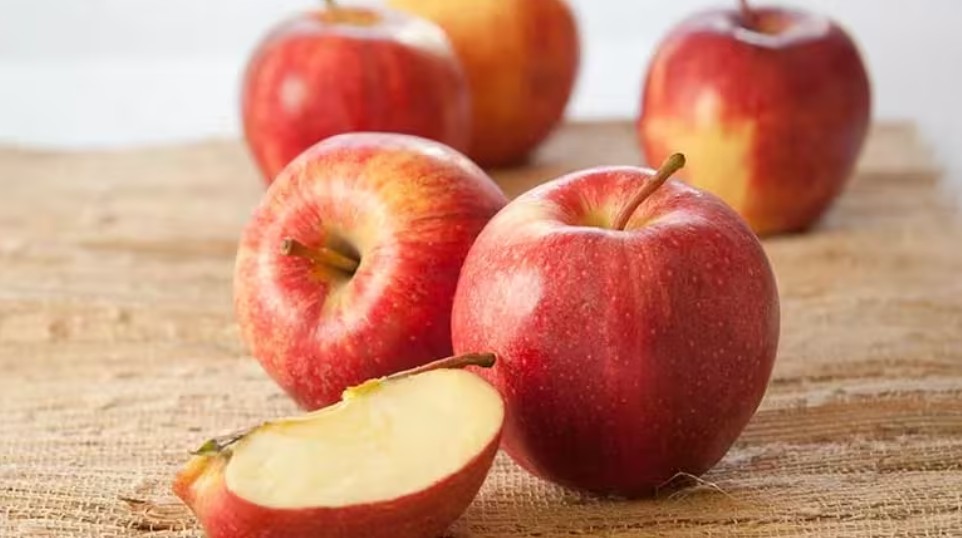 |
Illustration: Cleveland Clinic
The next mistake stems from the misconception that healthy food can be consumed in any quantity. Especially during apple season, many people enjoy eating two to three apples daily, or spreading their consumption from morning to afternoon and after dinner. Overloading the body with fiber and fructose at once is a direct cause of bloating. Nutrition experts advise that no matter how nutritious a food is, overconsumption can still harm the body. For apples, the ideal serving size should be limited to one medium apple per day.
Furthermore, the habit of eating chilled apples also poses risks to the intestines. Low temperatures make the fructose in apples taste sweeter and more delicious, but this is detrimental to those with sensitive digestive systems, easily causing stomach cramps and bloating. Therefore, it is best to allow apples to return to room temperature before enjoying them, or consume them with a glass of warm water.
While eating apples with the peel provides abundant fiber, the tough skin can become a burden for those with weak stomachs. Indigestible fiber from apple peels easily accumulates, causing discomfort and bloating. On days when the body is tired or the digestive system is struggling, peeling, grating, or steaming apples until soft offers a perfect alternative to aid easier absorption.
Finally, not chewing thoroughly, eating quickly due to lack of time, eating while using a phone, or cutting apples into excessively large pieces are also common causes of bloating. When food is not finely ground in the mouth, the stomach has to work harder, making it easier to swallow air and hindering digestion. Therefore, actively cutting apples into small pieces and focusing on chewing slowly and thoroughly not only helps fully enjoy the flavor but is also key to maintaining a healthy digestive system.
Binh Minh (According to Yoga Journal)